

Tag Archive for: Scams

Costa Rica’s allure as a real estate destination continues to attract buyers from around the world. However, the country’s unique legal and regulatory environment can pose serious risks—especially for those unfamiliar with local laws and market realities. This case study explores a real-life scenario where a buyer’s lack of knowledge about the Costa Rican real estate industry, combined with a fraudulent seller and complex property laws, resulted in a costly and stressful experience.

The Buyer’s Dream Turns Into a Nightmare

John, an American expatriate, was eager to purchase a beachfront property in Costa Rica. Drawn by picturesque listings on social media and reassured by a seemingly professional agent, John proceeded with the purchase without fully understanding the local real estate market.

What John did not know was that Costa Rica has no formal government oversight or licensing requirements for real estate agents. This regulatory gap means that anyone can present themselves as a real estate professional—even individuals with questionable backgrounds.

The Seller: A Fraudulent Expat with a Dark Past

The seller in John’s case was another expatriate living in Costa Rica. Unbeknownst to John, this individual was wanted in the United States for multiple fraud charges. The seller capitalized on the lack of regulatory oversight to operate under the radar, presenting himself as a legitimate property owner and agent.

Because John was unfamiliar with Costa Rican laws and the local market, he trusted the seller’s representations without conducting thorough due diligence. The seller provided forged documents and misleading information, which John accepted without legal consultation.

The Legal Blind Spot: Contracts and Squatter Rights

John’s unfamiliarity with Costa Rican contract law and property rights further complicated matters. Unlike in many countries, property contracts in Costa Rica can be complex and must comply with specific legal formalities. Without proper legal guidance, buyers risk signing agreements that are unenforceable or that fail to protect their interests.

Moreover, John was unaware of the country’s squatter rights and the doctrine of adverse possession. In Costa Rica, squatters who occupy a property openly and continuously for a period (usually 10 years) can claim legal ownership—even against the original owner. This law aims to encourage productive use of land but can be a trap for uninformed buyers.

After the purchase, John discovered that the property was occupied by squatters who claimed adverse possession rights. The seller had failed to disclose this critical information, and John had no legal recourse to evict the occupants easily.

The Fallout: Financial and Emotional Costs

John’s experience highlights the dangers of buying property in Costa Rica without understanding the local context. The fraudulent seller disappeared after the sale, leaving John with a property he could neither use nor sell easily. The presence of squatters meant lengthy and costly legal battles, and the lack of financing options forced John to pay cash upfront, amplifying his financial exposure.

Emotionally, John faced stress, frustration, and a loss of trust in the market. His dream of owning a tropical home turned into a cautionary tale about the importance of knowledge and professional guidance.

Lessons Learned: How to Avoid Similar Pitfalls

John’s case is unfortunately not unique. Many foreign buyers fall victim to scams or legal complications due to Costa Rica’s unregulated real estate environment. Here are key takeaways for prospective buyers:

  1. Understand the Market’s Lack of Regulation: Recognize that real estate agents may not be licensed or regulated. Verify credentials and seek referrals.
  2. Hire a Qualified Attorney: Always engage an independent Costa Rican lawyer who specializes in real estate. They can verify title, review contracts, and uncover potential issues like squatters.
  3. Research Local Property Laws: Familiarize yourself with concepts like adverse possession and squatter rights. Knowing these laws helps you assess risks before buying.
  4. Conduct Thorough Due Diligence: Don’t rely solely on sellers or social media listings. Visit properties in person, verify ownership records, and confirm the absence of encumbrances.
  5. Be Wary of Red Flags: Sellers who pressure you to close quickly, refuse legal scrutiny, or provide incomplete information should raise concerns.

Buyer Beware

Buying property in Costa Rica offers exciting opportunities but also significant risks, especially for those unfamiliar with the country’s legal and regulatory landscape. John’s story underscores the importance of education, professional advice, and vigilance when navigating this market.

By learning from such case studies, prospective buyers can protect themselves from fraud, legal complications, and financial loss—turning their Costa Rican real estate dreams into a reality rather than a nightmare.

FAQ: What Every Buyer Should Know About Buying Property in Costa Rica – A Cautionary Case Study

Buying property in Costa Rica is a dream for many, but the country’s unique real estate environment can lead to unexpected risks—especially for foreign buyers unfamiliar with local laws and market practices. Below, we answer common questions inspired by a real case where a buyer encountered serious problems due to lack of knowledge and a fraudulent seller.


1. Is the real estate industry in Costa Rica regulated?

No. Costa Rica currently has no formal government oversight or licensing requirements for real estate agents or agencies. This means anyone can operate as a real estate professional without meeting standardized qualifications or regulatory scrutiny. Buyers should be cautious and verify the credibility of agents and sellers independently.


2. Are international real estate franchises licensed to operate in Costa Rica?

Often, no. Many well-known international real estate brands operate as franchises in Costa Rica but do not hold local licenses. These franchises are essentially independent businesses using a recognized brand name but are not regulated by Costa Rican authorities as real estate brokers.


3. What risks does this lack of regulation pose to buyers?

Without regulation, buyers face increased risks of fraud, misrepresentation, and lack of accountability. Agents or sellers may provide false information, forged documents, or fail to disclose critical facts about properties. This environment requires buyers to be especially diligent and seek professional legal advice.


4. Can you share an example of what can go wrong?

Certainly. John, an American buyer, purchased a beachfront property from an expatriate seller who was wanted in the USA for fraud. John was unaware of Costa Rica’s lack of real estate regulation and trusted the seller’s claims without legal consultation. The seller provided forged documents, and after the sale, John discovered squatters occupying the property claiming adverse possession rights.


5. What is adverse possession and how does it affect property buyers?

Adverse possession is a legal doctrine allowing squatters who openly occupy a property continuously for a certain period (usually 10 years in Costa Rica) to claim legal ownership. Buyers unfamiliar with this law may unknowingly purchase properties encumbered by squatters, leading to costly legal disputes or loss of use.


6. Why is understanding Costa Rican property law important?

Costa Rican property law differs significantly from many other countries. Contracts must meet specific legal formalities, and concepts like adverse possession can impact ownership rights. Without understanding these laws or consulting a local attorney, buyers risk signing unenforceable contracts or acquiring problematic properties.


7. What should buyers do to protect themselves?

  • Hire a qualified Costa Rican attorney: They will verify property titles, review contracts, and uncover issues like squatters or liens.
  • Conduct thorough due diligence: Visit properties, check ownership records, and research market prices.
  • Be cautious of red flags: Sellers who pressure for quick sales, refuse legal scrutiny, or provide incomplete information should be treated with suspicion.
  • Understand payment methods: Since financing is rare, be prepared to pay in cash and use escrow services to protect funds.

8. Are financing options available for property purchases in Costa Rica?

Generally, no. The Costa Rican real estate market largely operates on a cash basis. Mortgages or loans from local banks are limited, so buyers often need to have the full purchase price available upfront. This increases financial risk and reduces institutional oversight.


9. What lessons can be learned from John’s experience?

John’s case highlights the importance of education and professional guidance when buying property in Costa Rica. Buyers must understand the market’s lack of regulation, local property laws, and the potential for fraud. Engaging an experienced attorney and conducting independent research are critical steps to avoid costly mistakes.


10. Is buying property in Costa Rica still a good idea?

Yes, but only with the right precautions. Costa Rica offers beautiful properties and investment opportunities, but buyers must navigate its unique legal environment carefully. With proper due diligence, professional help, and realistic expectations, buyers can successfully purchase property and enjoy the benefits of living or investing in Costa Rica.


Final Thoughts

Costa Rica’s real estate market can be rewarding but is fraught with pitfalls for the uninformed. This FAQ, based on a real buyer’s experience, underscores the need for caution, legal expertise, and thorough research. Before making a purchase, ensure you understand the risks and protections available to safeguard your investment.

Background investigations Costa Rica are more common:

As businesses and organizations seek to verify information about potential employees or partners. These checks can help protect companies from fraud and ensure they hire trustworthy individuals.

A lush jungle backdrop with vibrant flora and fauna, a winding river, and a clear blue sky sets the scene for background investigations in Costa Rica

Costa Rica has strict privacy laws that impact how background checks are conducted. You need to get written consent from the person being investigated before accessing their personal information. This includes criminal records, credit reports, and employment history.

Many Costa Rican companies now use professional background screening services to comply with legal requirements. These services can verify education credentials, check for criminal records, and confirm past employment details. As Costa Rica’s economy grows, thorough background checks will likely play an increasingly important role in hiring and business decisions.

Understanding Background Investigations in Costa Rica

A desk with a computer, files, and a magnifying glass, set against a backdrop of a map of Costa Rica and a framed certificate of investigation

Background checks in Costa Rica are essential for making informed decisions about people and businesses. They help you verify information and uncover potential risks. Professional investigators play a key role in conducting thorough and legal checks.

Scope of Background Checks

In Costa Rica, background checks can cover many areas. You can look into criminal records, civil records, and employment history. Education verification and credit reports are also common. For jobs involving driving, you might check driving records.

Government ID checks help confirm a person’s identity. When hiring, you can do reference checks to learn about a candidate’s work style. Each type of check gives you different information to consider.

Keep in mind that some checks need the person’s consent. You must follow Costa Rica’s data privacy laws when doing background checks.

Importance of Professional Investigators

Hiring a professional investigator in Costa Rica can make your background checks more effective. These experts know the local laws and have access to reliable sources of information.

Professional investigators can:

  • Navigate complex legal systems
  • Find hard-to-get records
  • Spot fake documents or false information
  • Conduct discreet inquiries
  • Provide detailed reports

Their skills help you make better choices about who to trust or hire. They can dig deeper than basic online searches, giving you a fuller picture of a person or company.

Using a pro can save you time and reduce risks. They know how to get accurate info while following all legal and ethical rules.

Private Investigation Services Offered

A magnifying glass hovers over a map of Costa Rica, with various documents and files scattered around, highlighting the process of background investigations

Private investigators in Costa Rica offer a wide range of services to meet diverse client needs. These services help individuals and businesses gather important information and reduce risks.

Surveillance and Infidelity Investigations

Private investigators in Costa Rica excel at surveillance techniques. They can monitor people discreetly to gather evidence of infidelity or other suspicious behavior.

You can hire them to:
• Follow a spouse or partner
• Take photos and videos
• Track movements and activities
• Gather proof of affairs

Investigators use advanced tools like hidden cameras and GPS trackers. They also employ traditional methods like tailing subjects on foot or by car.

For infidelity cases, they can:
• Check phone records
• Monitor social media activity
• Identify unknown contacts

Business and Fraud Investigations

Costa Rican private eyes help businesses protect themselves from fraud. They investigate internal theft, embezzlement, and other financial crimes.

Services include:
• Background checks on business partners
• Due diligence for investments
• Asset searches
• Insurance fraud investigations

Investigators use methods like:
• Financial record analysis
• Interviews with employees
• Undercover operations

They can uncover fake injury claims, ghost employees, or misuse of company funds. This helps businesses save money and maintain their reputation.

Intellectual Property and Employment Screening

Private investigators help protect your ideas and ensure you hire trustworthy employees. They offer specialized services for intellectual property and employment matters.

For intellectual property:
• Investigate patent infringements
• Track counterfeit goods
• Monitor copyright violations

Employment screening services:
• Verify education and work history
• Check criminal records
• Conduct drug tests
• Assess social media presence

These checks help you avoid hiring risks and protect your company’s assets. Investigators use databases, personal interviews, and on-site visits to gather accurate information about potential hires or intellectual property thieves.

Working with Local Experts

A group of researchers gather data in the lush Costa Rican jungle, consulting with local experts and conducting background investigations

Hiring local experts for background investigations in Costa Rica offers key advantages. These professionals bring valuable cultural knowledge and language skills to your case.

Benefits of Hiring Locally

Local Costa Rica private investigators know the area well. They understand local customs and practices. This helps them gather information more effectively.

You can find experienced private investigators who speak both Spanish and English. This is helpful for communicating with locals and international clients.

Local experts have connections in Costa Rica. They know where to look for records and who to talk to. This can speed up your investigation.

Costa Rican investigators are familiar with local laws. They can help you stay compliant during your research.

Cultural Competence in Investigations

Cultural competence is crucial in Costa Rica. Local experts understand social norms and etiquette. This helps them ask questions without causing offense.

You’ll benefit from their knowledge of Costa Rican business practices. They can spot red flags that outsiders might miss.

Local investigators know how to navigate government offices. They can help you get official records faster.

Their understanding of Costa Rican slang and idioms is valuable. It allows them to pick up on subtle cues during interviews.

By working with culturally competent experts, you’ll get more accurate results. They can interpret findings in the right context.

Legal and Ethical Considerations

A courtroom in Costa Rica with a judge presiding, lawyers presenting evidence, and individuals waiting to testify. Documents and legal books are scattered on the tables

Private investigators in Costa Rica must follow strict rules and moral guidelines. You need to know about the laws and ethical standards that apply to this work.

Compliance with Laws

You must follow Costa Rica’s laws when doing background checks. The country has rules to protect people’s privacy. You can’t use illegal methods to get information. This includes hacking or tapping phones.

Costa Rica’s Constitution protects citizens’ rights. You need to respect these when investigating. Public records are often available, but some info is off-limits.

Be careful with personal data. Costa Rica has laws about how you can collect and use it. Make sure you have permission when needed.

Ethics in Private Investigative Work

Your work as a private investigator must be ethical. This means being honest and fair in all you do. Don’t mislead people or use tricks to get info.

Respect cultural sensitivities in Costa Rica: The country may have different norms than you’re used to. Always treat subjects with dignity.

Be clear about your role. Don’t pretend to be law enforcement. Keep your client’s info private. Only share what you find with the right people.

Your reports should be truthful. Don’t change facts to please clients. If you find nothing, say so. Integrity is key in this field.

Selecting the Right Investigator

A figure sits at a desk, surrounded by files and a computer. A map of Costa Rica hangs on the wall, with a magnifying glass resting on it

Choosing a trustworthy private investigator in Costa Rica requires careful consideration. You’ll need to verify their credentials and have a thorough consultation to ensure confidentiality.

Verification of Credentials

When looking for a Costa Rica private investigator, you must check their qualifications. Ask for proof of licensing and professional memberships. Look for investigators with a strong track record of successful cases.

Check their experience in Costa Rica. A good investigator should know local laws and customs. They should speak Spanish and English fluently.

Ask for client reviews or testimonials. This will give you an idea of their work quality. Be wary of investigators who can’t provide references.

Consultation and Confidentiality

Set up a meeting with potential investigators. This lets you gauge their professionalism and expertise. Ask about their methods and tools. A trusted private detective agency in Costa Rica will be open about their approach.

Discuss fees upfront. Prices can range from $75 to $150 per hour. Get a clear breakdown of costs.

Confidentiality is key. Make sure the investigator will keep your case private. They should have secure systems for storing and sharing information.

Ask how they’ll communicate with you. Regular updates are important. Choose an investigator who is responsive and discreet.

Frequently Asked Questions

A desk with a computer, files, and a magnifying glass. A map of Costa Rica on the wall. A stack of papers labeled "Frequently Asked Questions Background investigations in Costa Rica."

Background investigations in Costa Rica involve specific processes, costs, and legal considerations. These inquiries can reveal important information about individuals’ histories and criminal records.

How can one obtain a background investigation in Costa Rica?

You can get a background check in Costa Rica by visiting the Judicial Branch offices. Bring your passport and fill out a request form. The process usually takes a few days to complete.

You can also hire a private investigator in Costa Rica for more thorough checks. These professionals have access to additional resources and databases.

Are there any free services for conducting background investigations in Costa Rica?

Free background check services are limited in Costa Rica. You can search public records at government offices at no cost. Some basic information may be available online through official websites.

What is the typical cost associated with conducting a background investigation in Costa Rica?

Costs for background checks in Costa Rica vary. Basic criminal record checks at government offices are relatively inexpensive, usually under $50. Private investigators charge more, with fees ranging from $200 to $1000 depending on the depth of the investigation.

Is it possible for someone with a felony record to obtain residency in Costa Rica?

Costa Rica does consider criminal history when granting residency. A felony record doesn’t automatically disqualify you, but it can make the process more difficult. Each case is reviewed individually.

You may need to provide additional documentation and explanations. It’s best to consult with a Costa Rican immigration lawyer for specific advice.

In an international context, do background investigations reveal criminal activities from other countries?

Background checks in Costa Rica primarily focus on local records. They may not automatically include criminal records from other countries. For a comprehensive international check, you might need to request records from each relevant country separately.

Some private investigation firms offer international background check services. These can be more thorough but also more expensive.

Which questions are typically included in a background investigation process?

Background investigations in Costa Rica usually cover several key areas. These include criminal history, financial records, and employment verification. Investigators may also check education credentials and residential history.

For more detailed checks, they might look into civil lawsuits, property ownership, and business affiliations. The specific questions depend on the purpose of the investigation and the client’s needs.

Ensuring Personal Safety and Financial Stability

Planning to live, invest, or build relationships in Costa Rica? Understanding the country’s economic landscape, currency management, real estate market, and cultural dynamics is essential to avoid costly mistakes and enjoy a smooth experience. Hi, my name is Cody Gear and I am a private investigator in Costa Rica. I have been here for over twenty years. I have a law dgree and am a board certified Fraud Examiner. I spent over twenty years in law enforcement and investigated everything from petit theft to homiciddes. Although not all inclusive this guide covers everything you need to know about Costa Rica’s economy, buying property, and navigating personal relationships—all crucial for a successful stay or investment.


Understanding Costa Rica’s Economy: Currency, Banking, and Financial Tips

Costa Rica’s economy offers exciting opportunities but also unique challenges for foreigners. To manage your money effectively and avoid financial pitfalls, start by understanding the local currency and banking system.

Costa Rica Currency: The Colón (CRC)

  • Official currency: Costa Rican Colón (CRC)
  • Current exchange rate: Approximately 1 USD = 510 CRC (subject to fluctuations)
  • Tip: Always check the latest exchange rate before making any currency exchanges or large purchases.

Managing Money in Costa Rica

  • Banks: Use reputable banks like Banco Nacional or Banco de Costa Rica for currency exchange to get fair rates and avoid hidden fees.
  • ATMs: Widely available in urban and tourist areas; however, watch out for withdrawal fees from both your home bank and local institutions. Here most ATM’s charge $4.00 to get cash per trans action and limit withdrWl to $500 per day.
  • Cash vs. Cards: Credit and debit cards are accepted in most cities and tourist hotspots, but carrying some cash is essential for rural areas, markets, and small vendors. It’s always best to have colons as you don’t have to worry about the exchange. The U.S. dollar is accepted everywhere, but they will always give you change in colons.

Buying Property in Costa Rica: Key Insights for Foreign Investors

Investing in Costa Rican real estate can be lucrative, but it requires careful planning and legal guidance.

Do You Need to Be a Resident to Buy Property?

  • No residency required: Foreigners can purchase land and property without being residents.
  • Legal advice: Hire a trusted local real estate attorney to navigate property laws and ensure a secure transaction. The only person that can complete a real estate purchase is a Costa Rica Notary. All Costa Rica Notaries must be licensed Costa Rica attorneys. Not all Costa Rica attorneys are Notaries. Is is absolutely vital that you enlist the services of an attorney who is also a notary. The reason, all real estate transactions must be registere in the Costa Rica National Registry. Only Notaries can get this done.
  • It also worth noting that there is no Governmental oversight on the real estae industry in Costa Rica. Anyone can hang out a shingle and be a real estate salesman. Although some use well known brands, in fact they do not exist in Costa Rica. The sign is for show. No licensining requirement and no recourse if you get scammed. The law in Costa Rica fosters and promotes fraud. That’s why we have such a fraud problem here.
  • Finally the basis of the law here is the Napoleanic Code. In the United states it is the Common Law and although they have similarities the are very different.

Understanding Property Ownership Types

  • Fee Simple: Full ownership with all rights to the property.
  • Concession: Leasehold ownership, often related to beachfront or protected areas, with specific terms and conditions. These are known as concessions and are generally good for 20 years. The risk with a concession is there is no gaurantee the Government will renew and the end of that term.

Popular Locations for Property Investment

  • Central Valley: Includes San José and surrounding areas—ideal for urban living and business.
  • Coastal Regions: Pacific coast (Guanacaste, Nicoya Peninsula) and Caribbean (Puerto Viejo) coast offer beachfront properties and tourism potential.

Closing Costs and Taxes

  • Expect to pay approximately 4-5% of the purchase price in closing costs, including:
    • Legal fees
    • Transfer taxes
    • Notary fees

Navigating Personal Relationships in Costa Rica: Cultural and Legal Considerations

Couple at Jaco Costa Rica

young couple posing at the beach in Costa Rica for a picture

Building personal relationships in Costa Rica can enrich your experience, but it’s important to understand cultural norms and legal implications, especially when it comes to dating, marriage, and financial matters.

The Dating Scene in Costa Rica

  • Costa Ricans, known as “Ticos,” are warm and family-oriented.
  • Respect for family ties is crucial for successful relationships.
  • Be aware of local customs and social expectations to avoid misunderstandings.

Legal Aspects of Marriage and Partnerships

  • Laws regarding property division, divorce, and spousal rights can differ significantly from your home country.
  • Consult a local family law expert before entering into marriage or joint financial agreements.

Risks in Relationships

  • Emotional decisions can impact your financial security.
  • Be cautious with joint investments or property ownership with partners.
  • Understand the legal framework for property settlements in case of separation.

Costa Rica’s Economic Relations and Regional Stability: What Investors Should Know

Costa Rica stands out in Central America for its political stability and diversified economy, but understanding its neighbors helps frame investment risks and opportunities.

Comparing Costa Rica with Belize, Nicaragua, and Panama

Country Economic Strengths Challenges
Costa Rica Stable democracy, ecotourism, tech services Higher living costs
Belize Tourism, agriculture Limited industrial diversification
Nicaragua Agriculture, manufacturing Political instability
Panama Banking, logistics, Panama Canal Competitive but complex market

Investment Opportunities by Country

  • Costa Rica: Medical devices, pharmaceuticals, clean energy, IT sectors.
  • Belize: Agriculture, aquaculture.
  • Nicaragua: Manufacturing with low labor costs (higher political risk).
  • Panama: Financial services, logistics, favorable tax environment.

Final Tips: How to Avoid Nightmares When Living or Investing in Costa Rica

  • Stay updated on currency exchange rates and banking fees.
  • Always use professional legal services when buying property.
  • Understand local customs and laws before entering personal or financial partnerships.
  • Research regional economic trends and political stability before investing.

By arming yourself with knowledge and local expertise, you can avoid common pitfalls and fully enjoy the abundant opportunities Costa Rica offers.


When considering hiring a private investigator in Costa Rica, you want someone with a firm grasp of the local legal landscape and the proficiency to handle sensitive information discretely and efficiently. Cody L. Gear & Associates epitomizes this blend of local knowledge and expert investigative skills. With a long-standing presence in Costa Rica since 1997, they bring a wealth of experience to the field of private investigation.

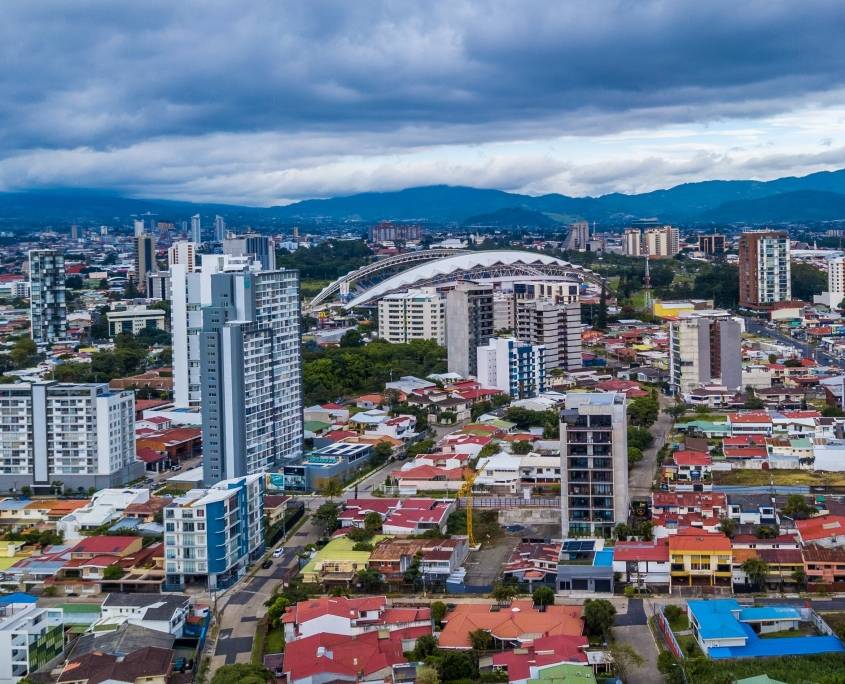
Sky Line of San Jose Costa Rica

Navigating the complexities of legal and personal disputes, or finding the necessary evidence for your case requires a professional who is both thorough and meticulous. Leveraging their expertise, Cody L. Gear & Associates has built a reputation for professionalism and integrity. The firm specializes in various investigation areas, addressing the needs of both local and international clients. Whether you’re facing a personal matter or a business-related issue, the approach to investigation is tailored comprehensively to provide clear and impactful results.

Observations

  • Cody L. Gear & Associates provides experienced investigative services in Costa Rica.
  • They handle a range of specialized investigations with professionalism and discretion.
  • Ensuring evidence is gathered efficiently, they maintain partnerships with legal entities.

Understanding Private Investigation in Costa Rica

When you consider hiring a private investigator in Costa Rica, it’s important to understand the intricacies of the legal frameworks, the advantages of local expertise, and the necessary licensing and regulations.

Legal Frameworks and Federal Laws

As you navigate the complex world of private investigation in Costa Rica, you must recognize that federal laws significantly influence the profession. The legal structures ensure that private investigators operate within the boundaries of the law to prevent any form of trespassing or rights infringement. Investigators are expected to have a thorough understanding of Costa Rican law to avoid illegal methods that could jeopardize your case.

  • Trespassing Laws: Knowing property rights is essential for PIs to conduct surveillance without legal repercussions.
  • Data Protection Laws: PIs must adhere strictly to laws relating to the handling of personal information.

Evidence Gathering: Any evidence collected must be obtained legally to be admissible in court.

The Role of Local Expertise

Your private investigator’s familiarity with the Costa Rican terrain and social climate is invaluable. Their local expertise can offer insights into navigating complex cases that intertwine with cultural nuances.

  • Cultural Understanding: Local PIs leverage their knowledge of customs and social cues to blend in and gather information effectively.

Networks with Law Enforcement: Established PIs often have networks with local law enforcement, aiding in more comprehensive investigations.

Licensing and Regulations for PIs

In Costa Rica, like many countries, private investigators must be duly licensed to practice. This ensures they uphold the regulations set forth by governing bodies.

  • Licensing Requirements: Investigators must meet specific criteria and training to receive a license, ensuring they’re qualified.
  • Ongoing Compliance: PIs need to maintain ethical standards and legal compliance to keep their licensing.

Professional Standards: Licensing holds investigators to high professional standards that protect your interests during an investigation.

The Services of Cody L. Gear & Associates

A desk cluttered with surveillance equipment, maps, and case files. A computer screen displays a live feed of a remote location

Cody L. Gear & Associates provides a spectrum of private investigation services tailored to various investigative needs. From tracking fraudulent activities to vetting individuals through comprehensive background checks, the services offered are both meticulous and discreet.

Surveillance and Fraud Investigation

If you suspect fraudulent activities within your business or need personal surveillance solutions, you can rely on the expertise in surveillance and fraud investigation offered by Cody L. Gear & Associates. Their approach pairs traditional investigative techniques with modern technology to gather clear evidence. The aspects covered include:

  • Covert operations to monitor suspect activities
  • Gathering and documenting proof of fraud or misconduct
  • Use of electronic surveillance to supplement physical monitoring

Due Diligence and Background Checks

When entering new business ventures or hiring key personnel, due diligence and background checks are vital services that provide peace of mind and secure investments. With attention to detail, the agency ensures you have all the necessary information before making critical decisions. Services include:

  • Verification of personal and professional histories
  • In-depth analysis of public records and financial stability
  • Uncovering past criminal activities if present

Missing Persons and Personal Matters

Whether you’re looking for a loved one who has gone missing or need assistance with sensitive personal matters, the private investigation services extend to finding missing persons and handling personal cases with care and confidentiality. You can expect:

  • Comprehensive search efforts utilizing a vast network of resources
  • Diplomatic handling of sensitive personal issues
  • Persistent efforts to deliver answers and closure in personal cases

The Importance of Professionalism and Integrity

A private investigator in a sharp suit, standing confidently with a magnifying glass in hand, surrounded by files and evidence

When you engage a private investigator, the assurance of professionalism and integrity underpins the trust necessary for a successful partnership. These values are essential for instilling confidence and ensuring quality service.

Expertise and Training

Expertise stems from comprehensive training and practical experience. Cody Gear is not just an investigator but a professional with a rich background in law enforcement and military intelligence. This foundation equips him with a diverse skill set crucial for the complexity of private investigations in Costa Rica.

Success Stories from Previous Clients

The reputation of a trusted and reputable agency can be gauged by the success stories of previous clients. Through discretion and resolve, experienced private investigators like Cody Gear have been able to resolve cases adeptly, reflecting both the integrity and professional dedication of the agency.

Resources and Investigative Tools

Lastly, a well-founded investigation relies on available resources and investigative tools. You expect a professional like Cody Gear to employ modern resources and tools that enhance the investigative process, leading to efficient and successful outcomes.

Specialized Investigation Areas

A remote jungle setting with dense foliage, a hidden surveillance camera, and a mysterious figure in the distance

In the realm of private investigative services, there are specific domains that demand a high level of expertise and precision. Certain areas require tailored methods to gather incontrovertible evidence and deliver clarity to complex situations.

Infidelity and Cheating Spouse Investigation

When you suspect infidelity, obtaining clear evidence is crucial. Cody Gear specializes in discreetly uncovering the truth behind a spouse’s behavior. By utilizing state-of-the-art surveillance, including both video and photos, this service helps provide the concrete evidence you need to confront the situation or take legal action.

Narcotics and Property Theft

The narcotics trade often intersects with incidents of property theft. Cody Gear’s investigators use a combination of on-the-ground surveillance and informed intelligence gathering to track down leads. This specialization not only helps to recover stolen goods but also assists in exposing the networks behind these illicit activities.

Cybercrime and Digital Evidence

Cybercrime is an ever-growing concern with digital footprints becoming a key component in many investigations. Cody Gear and Associates have the technical knowledge to trace digital activities, uncover digital evidence, and provide a comprehensive analysis that can stand up in a court of law. Whether it’s identity theft, digital fraud, or harassment, you are equipped with the necessary expertise to navigate the complexities of cyber investigations.

Consultation & Partnership with Legal Entities

A private investigator in Costa Rica consults with legal entities, forming partnerships

In your pursuit of adept investigative services, partnering with a professional adept in navigating legal intricacies can provide substantial support to various legal entities. Such collaboration ensures thoroughness and discretion across a range of sensitive matters.

Collaborating with Law Firms

When you engage with Cody Gear & Associates, your law firm gains an investigative partner who understands the fine balance between thoroughness and discretion. These services often involve gathering public information and conducting criminal background checks vital for your cases. The process is detailed below:

  • Initial Consultation: Understanding the scope of the investigation and legal needs.
  • Strategy Development: Tailoring investigative methods suitable for legal outcomes.
  • Information Gathering: Employing legal and ethical practices to collect evidence.
  • Reporting: Providing comprehensive findings in a format usable for legal proceedings.

Private Investigations and Peace of Mind

Securing the services of a Costa Rica private investigator brings you peace of mind knowing that sensitive information is handled with the utmost care. Investigations by Cody Gear are not only about uncovering facts but also about ensuring information is procured legally and ethically to stand in legal proceedings. Your concerns are managed confidentially, and the findings are presented with clarity to help in your decision-making.

Handling Complex Legal Matters

Your intricate legal matters require detailed attention and expertise. By involving a private investigator, you can navigate complex scenarios with confidence, knowing that all leads will be thoroughly examined. Whether it regards to civil cases, criminal defense, or corporate due diligence, every facet is addressed with a methodical approach.

  • Legal Expertise: Understanding nuances of Costa Rican jurisprudence.
  • Comprehensive Analysis: Meticulous examination of all related documentation and facts.
  • Litigation Support: Collaborative efforts to strengthen your position in legal disputes.

Frequently Asked Questions

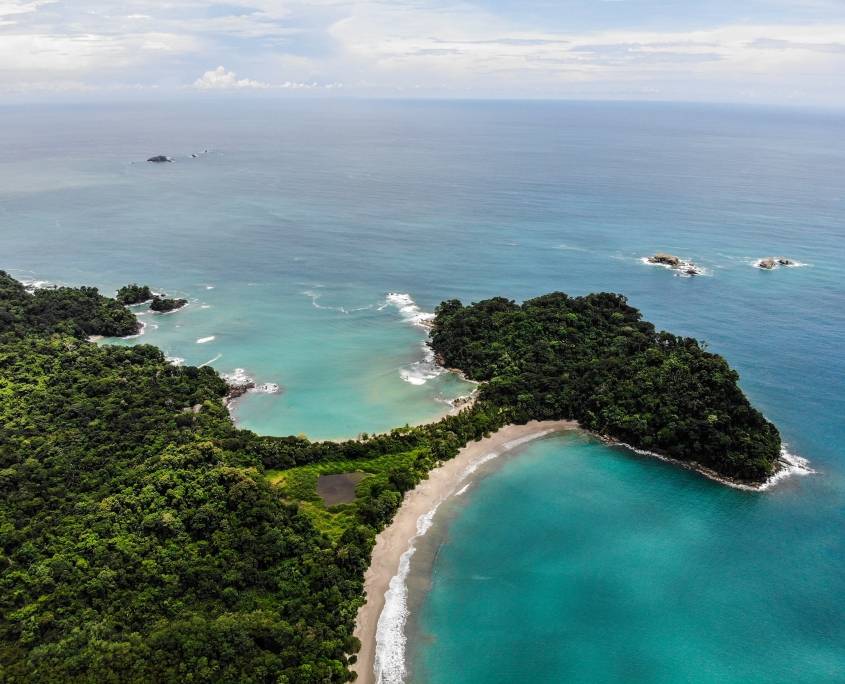
Uvita

In navigating the details of private investigations in Costa Rica, you may have questions ranging from service offerings to legalities and costs. Here, find concise answers tailored to guide you effectively.

What services are typically offered by a private investigator in Costa Rica?

Private investigators in Costa Rica offer a variety of services, such as conducting background checks, locating missing persons, and investigating potentially fraudulent activities. Whether it’s for personal reasons or business-related issues, these services are crucial for clients seeking discreet assistance.

How can I verify the legitimacy of a private investigator in Costa Rica?

To verify a private investigator’s legitimacy, examine their credentials, check for a professional license, and confirm any affiliations with reputable investigation networks. It’s essential to do due diligence to ensure you’re hiring a qualified professional like Cody L. Gear & Associates, who have a known presence in the region.

What are the legal limitations for private investigation in Costa Rica?

The legal framework in Costa Rica defines boundaries for private investigation, which include respecting privacy laws and refraining from illegal practices such as wiretapping without consent. Understand that legal limitations are in place to protect both the subject of the investigation and the integrity of your investigation.

What is the expected cost of hiring a private investigator in Costa Rica?

Hiring a private investigator can vary in cost depending on the complexity of the case and the services required. It is advisable to request a detailed quote and discuss payment structures beforehand to set clear financial expectations for services rendered by agencies like Cody L. Gear & Associates.

How can I ensure the confidentiality of my case with a Costa Rican private investigator?

Ensure confidentiality by engaging with a professional who upholds strict privacy policies. Discuss confidentiality terms and have a binding agreement in place to secure your sensitive information throughout the investigative process.

What qualifications should a reputable private investigator have in Costa Rica?

A reputable private investigator in Costa Rica should be licensed, have substantial local knowledge and experience, and possess a good understanding of applicable laws. Look for qualifications such as a strong track record and professional education, which are indicative of a trusted practitioner.

Just like any other country, scams in Costa Rica experience its share of scams targeting both tourists and locals. While the situation may change over time, as of my last update in September 2021, here are some popular scams that have been reported in Costa Rica. To avoid falling victim to scams in Costa Rica (or anywhere else), here are some practical steps you can take.

Research and Plan Ahead:

Before you travel, research your destination thoroughly. Familiarize yourself with the local customs, common scams, and areas to avoid. This will help you make informed decisions and recognize potentially risky situations.

Use Reputable Sources:

When booking accommodations, tours, or activities, use reputable travel websites, apps, or agencies with positive reviews. Check for official websites or physical addresses when booking services.

Use Official Transportation:

Stick to official taxis, rideshare services, or pre-arranged transportation from reputable companies. Avoid accepting rides from strangers or unlicensed drivers. Make sure if you use a taxi, you get the price before you get into the car.

Avoid Public Wi-Fi for Sensitive Transactions:

Refrain from using public Wi-Fi networks for online banking, shopping, or any activities involving sensitive personal information. If necessary, use a VPN to encrypt your internet connection.

Unsolicited Offers:

Be cautious of individuals who approach you with unsolicited offers, especially if they seem too good to be true. Politely decline and walk away if you’re uncomfortable.

Guard Your Personal Information:

Don’t share personal or financial information with strangers. Be cautious about displaying expensive items like jewelry or electronics, as this might attract unwanted attention. You should guard your passport and cash. I recommend that you make a copy of your passport and carry it with you. You should leave your passport in the safe where you are staying.

Inspect Rental Vehicles:

If renting a car, thoroughly inspect it for existing damage before driving off. Take photos and document any scratches or issues to avoid disputes later.

Use ATMs Wisely:

Use ATMs located in well-lit, busy areas, such as banks or shopping centers. Cover your PIN while entering it, and be cautious if the ATM looks suspicious or tampered with.

“Helpful” Strangers:

While it’s okay to accept help from genuine locals, be cautious if someone insists on guiding you or offering unsolicited assistance. Politely decline if you’re not comfortable.

Educate Yourself on Local Currency:

Familiarize yourself with the local currency and exchange rates to avoid being tricked into unfair deals. Use official currency exchange centers or banks.

Trust Your Instincts:

If something feels off or too good to be true, it probably is. Trust your instincts and err on the side of caution.

Emergency Contacts:

Save the local embassy or consulate’s contact information in case you encounter legal or safety issues. They can provide assistance if needed.

Learn Basic Local Phrases:

Learning a few basic phrases in the local language can help you communicate and build rapport with locals, making it less likely for scammers to target you.

Secure Your Belongings:

Keep your belongings secure, especially in crowded places or tourist areas. Use anti-theft bags or money belts to protect your valuables.

Stay informed and keep up with local news and updates to be aware of any new scams or safety concerns that might arise during your stay.

Remember that being cautious doesn’t mean you can’t enjoy your trip. It’s about being aware of your surroundings and making informed decisions to have a safe and pleasant experience.


The newly approved Law 9996, aimed at attracting investors, rentiers, and pensioners, has now taken effect. The new import law for residents grants added benefits to new residency applicants in three categories: retirees, renters, and investors. These benefits are applicable to individuals who apply for residency within the first five years of the law’s validity (2023) and will remain in effect for ten years after approval. I receive many inquiries regarding the importation of personal belongings from the United States.

Here is a summary of the new import law

Our legal department at Cody L Gear and Associates in Escazu has reviewed and prepared this summary.

Household Goods:

Importing household goods, including new and used appliances, furniture, decorative items, and more, is now exempt from one-time taxes. Thus, it is important to understand that the law allows for reasonable quantities, and you cannot bring half of Walmart with you. (Ref: “Decree N° 43926 -MGP-H-TUR, the regulation of Law 9996, March 2023”)

Vehicle Imports:

Individuals can import up to two vehicles for personal or family use without paying import tax, customs fees, or value-added taxes. This exemption applies to land, maritime, and air transport. If someone steals or destroys your vehicle, you can import a replacement vehicle with the same exemptions. (Ref: “Decree N° 43926 -MGP-H-TUR, the regulation of Law 9996, March 2023”)

Income Tax:

The law waives the income tax related to obtaining migratory status, but it subjects income derived from investments within the national territory to income tax. (Note: Further details about the tax reduction of property acquired during the law’s validity are available. Also, equipment or materials for professional or scientific use are exempt from taxes.

Additionally, the law specifies that beneficiaries of immigration status as investors, residents, and retirees will not automatically become tax residents.

In the investor category, the law has reduced the required investment amount from $200,000 USD to $150,000 USD. Individuals can make investments by acquiring assets, shares, securities, or projects of national interest. Moreover, this category also includes consideration for venture capital and sustainable tourism infrastructure investments.

Residents applying for residency in Costa Rica can import a maximum of two vehicles for personal or family purposes, free from import tax, customs fees, and value-added taxes. If a vehicle is stolen or destroyed, a replacement vehicle can be imported with the same exemptions.

These exemptions remain valid for ten years, expiring in July 2031.

To apply for import duty exemptions on vehicles or household goods, the following steps must be taken:

Present your Costa Rica DIMEX card as proof of resident status (retiree, renter, or investor).

Deposit your vehicle at a customs warehouse.

Apply for exemption from the Treasury Department (Ministerio de Hacienda) through their website, EXONET.

You will also need to provide:

A digital signature.

You need certification of being up to date with Caja payments.

Also, a certificate of no outstanding taxes, corporation fees, or property taxes.

Finally, you will need certification of shares owned in the corporation responsible for importing the vehicle and/or goods.

A sworn and notarized statement from each qualified family member (spouse and/or adult single children under 25) confirming they will not request exoneration separately.

The bill of lading and a copy of the vehicle’s title.

The customs value of the vehicle.

Obtaining these certifications takes time and may incur several hundred dollars in lawyer fees.

Once all documents are uploaded to the EXONET website, the Treasury Department has sixty days to approve or deny the application. Approval is based on the economic income declared during the residency application process, considering whether the requested exonerations are within the means of the applicant’s monthly income.

For more assistance contact us at info@codylgearandassociates.com


While Costa Rica is a beautiful country with a welcoming culture, there are certain actions or behaviors that could be considered inappropriate or disrespectful. Here are a few things in Costa Rica you should avoid doing in Costa Rica.

Disregarding environmental conservation:

Costa Rica is known for its commitment to environmental sustainability. Avoid littering, damaging natural habitats, or engaging in activities that harm the local flora and fauna. Respect the country’s efforts to preserve its rich biodiversity.

Ignoring cultural customs:

Costa Ricans value their traditions and customs. It’s important to be respectful and mindful of their culture. Avoid disrespectful behavior, such as making offensive jokes or disregarding local customs and etiquette. Remember, you are a “gringo” and as such you are already a target of misdeeds. Before you visit Costa Rica, do your homework, as this could save you heartache and money.

Overlooking safety precautions:

Costa Rica is generally a safe country, but like any other destination, it’s important to take precautions. Don’t leave your belongings unattended, especially in crowded areas or tourist hotspots. Avoid walking alone in unfamiliar or isolated areas, particularly at night.

Neglecting the local economy:

When traveling, support the local economy by purchasing souvenirs, dining at local restaurants, and booking tours or accommodations run by Costa Rican businesses. Avoid large international chain hotels or restaurants that don’t contribute to the local community.

Underestimating travel distances:

Costa Rica may seem small on a map, but the terrain can make travel times longer than expected. Don’t underestimate distances and plan your itinerary accordingly. Rushing through destinations or trying to cover too much ground in a short time can lead to frustration and exhaustion.

Remember, respectful behavior, consideration for the environment, and embracing the local culture will contribute to a positive and enjoyable experience in Costa Rica. Although this list of a few things in Costa Rica you should avoid is short, it will help you have a better experience.


Costa Rica pros and cons you need to be aware of when traveling to this part of the world. Costa Rica  is a popular travel destination for Americans due to its beautiful landscapes and friendly people. However, there are several potential problems that Americans might face while traveling here, which can be easily avoided with a little bit of preparation. We’ll discuss some common problems Americans might encounter in Costa Rica and the steps they can take to avoid them.

Culture Shock:

Culture shock can occur when traveling to a new country and can be overwhelming. To avoid culture shock, it’s important to research the culture and customs of Costa Rica prior to your trip. You understanding the expectations and norms of the local people, and will also give you an idea of what to expect. For example when you look for to food, clothing, and social customs.

Language Barrier:

Although many people in Costa Rica speak English, not everyone does. To avoid communication difficulties, it’s a good idea to learn some basic Spanish phrases before your trip. This will make it easier to communicate with local people. Also, will also help you to understand signs, menus, and other important information.

Health Concerns:

Costa Rica has a different climate and different health concerns than the United States. To avoid health problems, it’s important to consult with your doctor before your trip and to take necessary precautions, such as getting vaccinations and bringing any necessary medications. Bear in mind that your insurance will not cover you here. Health care here is excellent but you must pay for it if your are not a Costa Rica citizen.

Safety Concerns:

Costa Rica is generally considered a safe place for travelers, but crime can still occur. To avoid safety issues, it’s important to take common-sense precautions, such as avoiding walking alone at night, not displaying large amounts of money, and keeping your valuables in a safe place.

Environmental Concerns:

Costa Rica is known for its beautiful natural environment, but it’s also important to take steps to protect it. To avoid environmental problems, it’s important to follow local rules and regulations, such as respecting wildlife and avoiding littering.

By researching the culture, customs, and language of Costa Rica, taking necessary health precautions, and taking common-sense safety and environmental measures, Americans can easily avoid potential problems while traveling in Costa Rica. With a little bit of preparation, Americans can have a safe and enjoyable trip to this beautiful country.

Preventing or avoiding Costa Rica scams 

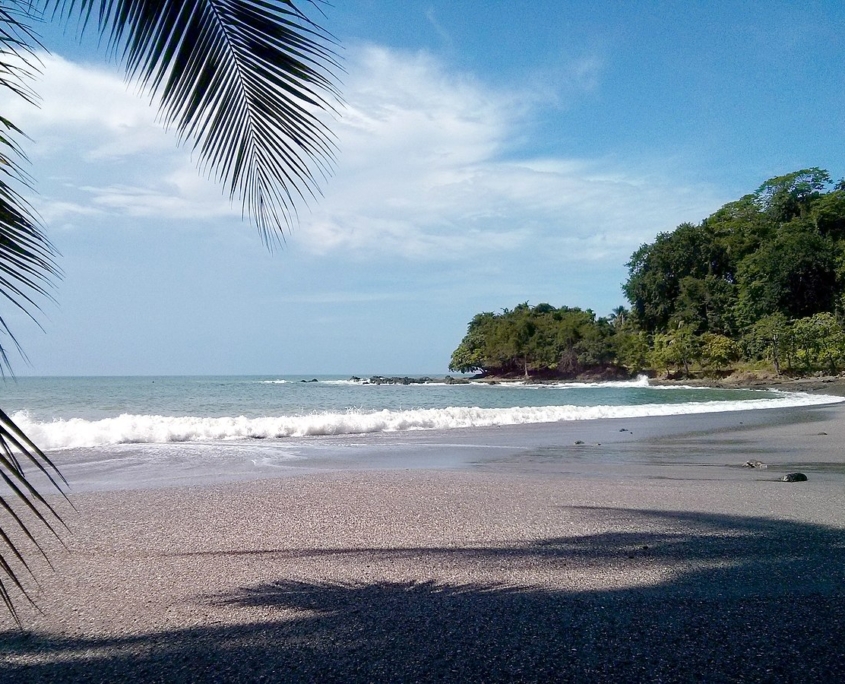
Playa Samara

Playa Samara

Often I am asked what should I do in preventing or avoiding scams in Costa Rica. Some are easily avoided or prevented when you are armed with the right information. Before you go, let us review your itinerary and give you feedback on what we know. Our feedback is free and we do not have any affiliations with what we evaluate. Everything from car rentals to food. We have lived here for the past 15 years and have become very familiar with Costa Rica. 

Although our background is law and investigations, it has broadened our knowledge base on all types of scams and frauds. I feel if we can help anyone coming here from falling victim to a scam or fraud, they will want to come back. As you will learn some scams are not deliberate while others are as deliberate as they come.


Travelling to Costa Rica?

Each year we have a number of people who come to Costa Rica without talking with someone about their trip. I am not talking about a family member or a travel agent, I am talking about boots on the ground, living here and understanding the potential and real challenges you may face while travelling to Costa Rica.

First and foremost is the requisite documentation you will need to enter the country. Coming to Costa Rica can try your patience when meeting requirements set by the government. Since most of our guest come from the U.S. these requirements seem redundant and unnecessary. We are offering a review of your itinerary that will assist you in avoiding some of the pitfalls you will face when you visit here.

Documents You Need

The Costa Rica Government requires all visitors to complete a health questionnaire. Recently, the Government has rescinded the proof of private insurance for all visitors who are vaccinated. If you have not been vaccinated, then you will have to show proof of private insurance covering the time you are here. Also, you will have to financial resources to cover any quarantine that may result from getting Covid-19. Additionally, you need to be prepared to take a Covid-19 test no more than three days before your departure.

Services we Provide

Since these new regulations have come to exist it is important you are aware of the problems you may encounter. Everything from car rentals to hotels. Since we are here and are very familiar with all parts of Costa Rica and have handled numerous cases involving such problems, we invite you to contact us and let us look over your itinerary and evaluate possible areas of concern. The earlier yo do this the better chance we have in spotting potential and real problems that if addressed ahead of time will save you money, time and headaches.