

Planning to live, invest, or build relationships in Costa Rica? Understanding the country’s economic landscape, currency management, real estate market, and cultural dynamics is essential to avoid costly mistakes and enjoy a smooth experience. Hi, my name is Cody Gear and I am a private investigator in Costa Rica. I have been here for over twenty years. I have a law dgree and am a board certified Fraud Examiner. I spent over twenty years in law enforcement and investigated everything from petit theft to homiciddes. Although not all inclusive this guide covers everything you need to know about Costa Rica’s economy, buying property, and navigating personal relationships—all crucial for a successful stay or investment.
Costa Rica’s economy offers exciting opportunities but also unique challenges for foreigners. To manage your money effectively and avoid financial pitfalls, start by understanding the local currency and banking system.
Investing in Costa Rican real estate can be lucrative, but it requires careful planning and legal guidance.

young couple posing at the beach in Costa Rica for a picture
Building personal relationships in Costa Rica can enrich your experience, but it’s important to understand cultural norms and legal implications, especially when it comes to dating, marriage, and financial matters.
Costa Rica stands out in Central America for its political stability and diversified economy, but understanding its neighbors helps frame investment risks and opportunities.
| Country | Economic Strengths | Challenges |
|---|---|---|
| Costa Rica | Stable democracy, ecotourism, tech services | Higher living costs |
| Belize | Tourism, agriculture | Limited industrial diversification |
| Nicaragua | Agriculture, manufacturing | Political instability |
| Panama | Banking, logistics, Panama Canal | Competitive but complex market |
By arming yourself with knowledge and local expertise, you can avoid common pitfalls and fully enjoy the abundant opportunities Costa Rica offers.
Background checks in San Jose, Costa Rica, serve as a critical tool for individuals and organizations aiming to ensure safety and security in their personal and professional endeavors. Vital to hiring practices and residency applications, these checks help verify identities and screen for criminal histories. In Costa Rica, the legalities concerning background checks are stringent, with specific emphasis on consent and data protection laws, ensuring that such processes are conducted with due respect for privacy.

Whether you are checking a potential business associate or your Costa Rica girlfriend, keep in mind conducting a background check in Costa Rica, one must navigate a variety of documentation and adhere to the procedures outlined by the Costa Rican authorities. From criminal records provided by the Registro Judicial to the detailed checks related to employment history and credit reports, every check is governed by clear protocols. Understanding the types and procedures of these checks and the documentation involved is essential for compliance and for utilizing these checks effectively.
Background checks are essential for verifying identity and maintaining security in San Jose, Costa Rica.
Legal compliance with Costa Rican data protection laws and consent requirements is crucial.
A comprehensive check may include criminal records, employment history, and additional verification.
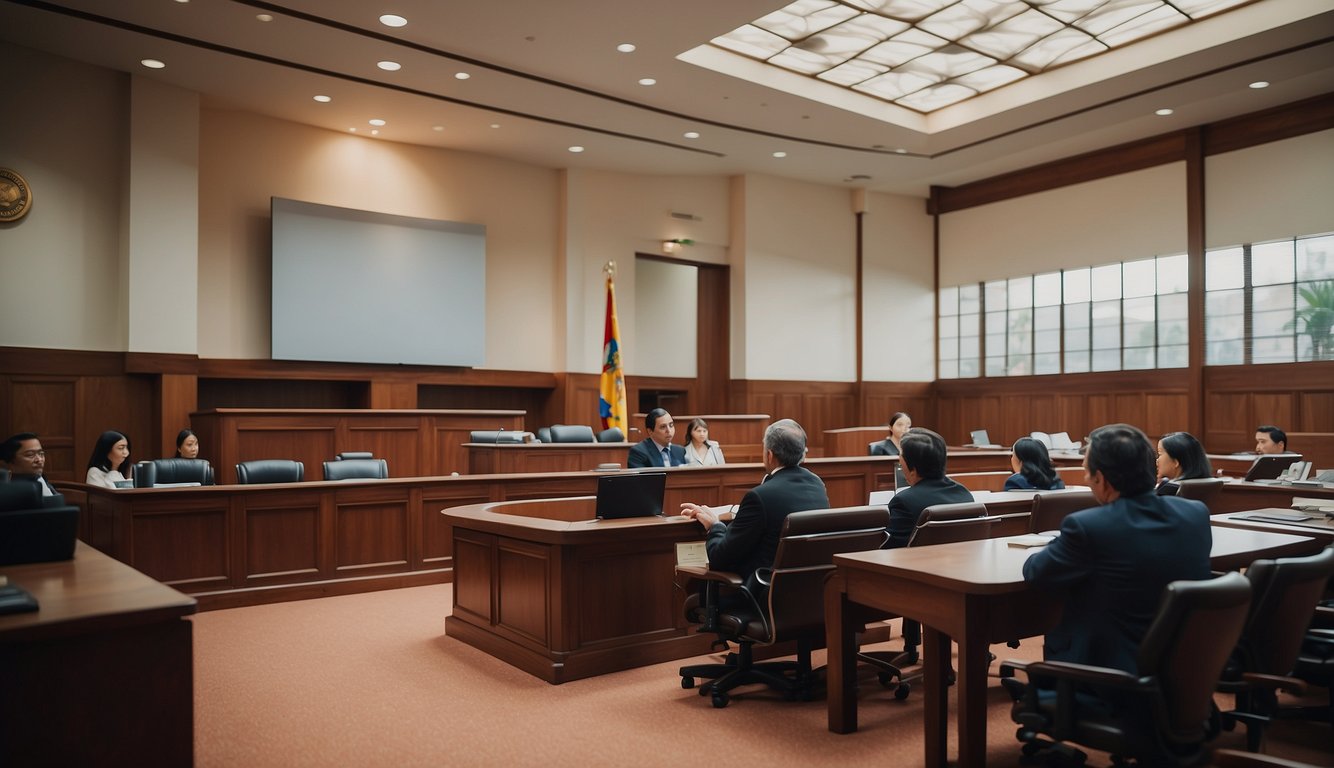
In Costa Rica, the legal requirements for background checks are defined by local legislation and influenced by international protocols. Understanding these frameworks ensures your background check process complies with legal standards.
Costa Rica mandates strict adherence to privacy laws when you conduct background checks. Data Privacy and Protection are crucial, and you are required to obtain explicit consent from the individual before performing any checks. The types of background checks you can perform include:
If you’re dealing with international background checks, e.g., for United States citizens looking to reside in Costa Rica, you’ll need to understand the process of authentication. Documents from countries like the United States and United Kingdom often require an Apostille to certify their legitimacy. This is a form of Authentication or Legalization that confirms the document is valid and can be recognized in Costa Rica.
For U.S. citizens, an Identity History Summary—often referred to as a criminal history record—provided by the Federal Bureau of Investigation (FBI) may be necessary. This Summary should be apostilled in the United States before it’s presented in Costa Rica.
Keep in mind that Apostilles are part of the Hague Convention, to which both the United States and Costa Rica are signatories. Thus, documents issued in one signatory country and duly apostilled are accepted in another without further authentication.

In San Jose, Costa Rica, ensuring that background checks are thorough and in compliance with local laws is crucial for the integrity of the screening process.
When you’re seeking to obtain criminal records or a police clearance in San Jose, you’ll begin by interacting with the Criminal Justice Information Services (CJIS). Here’s a step-by-step process:
It’s important to note that your criminal history will be thoroughly reviewed through the channels of the Costa Rican judicial system.
Your employment and credit history also play a critical role in a comprehensive background check.
Remember, when verifying employment and credit history in San Jose, accuracy and adherence to data protection laws are paramount to maintaining trust and legality throughout the process.

When applying for a background check in San Jose, Costa Rica, you should prepare a set of specific documents that verify your identity and residency status. Ensure these are complete and properly authenticated to facilitate a smooth process.
For a background check in Costa Rica, your primary identification document is a valid passport. You will need to present a certified copy of your passport, which can usually be obtained from your country’s embassy or consulate in Costa Rica. Additionally, if you are a citizen or a legal resident, your national identification number is essential.
If you are applying for residency, it is required to provide evidence of that status. You may need to present your Residency Application along with any State-issued identification documents. It is crucial that all documents prove your identity clearly and are considered valid within the country.
In Costa Rica, all foreign documents must be apostilled or authenticated if originating from a country that is a member of the Hague Apostille Convention. This serves as proof that your documents are legitimate and recognized internationally. You can typically mail your documents to the appropriate authority in your home country for this service.
Once authenticated, your documents may need to be translated into Spanish. Be sure to enlist services of a certified translator because official processes in Costa Rica require that all documents are presented in Spanish. Documents such as the Identity History Summary must be accurately translated and certified.
This precise documentation will support the validity of your background check application and ensure that the process proceeds without unnecessary delays.

Background checks serve as essential tools for verifying the credibility and history of individuals in various circumstances, especially in matters of employment and immigration.
Your hiring decisions in San Jose, Costa Rica, are greatly influenced by thorough employment verification processes. Employment verification typically involves assessing a candidate’s employment history, education degree verification, and checking references. In addition, you might require criminal records and credit reports to ensure the integrity and reliability of potential employees.
Citizens or foreign nationals seeking employment in Costa Rica must comply with data privacy laws and provide consent for these background checks. Verification of fingerprints may also be necessary, especially with positions requiring high security.
For matters of immigration, background checks, including the FBI Criminal Background Check, play a crucial role. When you apply for temporary residency or aim to become a legal resident in a foreign country like Costa Rica, presenting a national background check from your country of origin is required. This measure ensures your safety and the security of the country.
These checks are not only integral to the immigration process but also to maintaining the security and safety of residents within Costa Rica’s borders.

When conducting background checks in San Jose, Costa Rica, you must balance the meticulous protection of personal data with the critical need for accuracy and reliability of the information gathered.
In Costa Rica, privacy laws safeguard your personal information. Personal data, especially sensitive personal data, must be handled with strict confidentiality. Under these laws, your identity, as well as any information regarding your criminal history, is protected. Organizations conducting background checks should obtain written consent from you before accessing or sharing your personal data. Ensure that the firm you choose complies with Costa Rica’s data privacy regulations to prevent the misuse of your personal information.
Accuracy and reliability are paramount when your criminal history and identity history summary are assessed. In compliance with the Criminal Justice Information Services (CJIS) standards, background reports should accurately reflect your past interactions with the law, confining to factual and relevant information without including prior arrest data not leading to convictions. These measures ensure that hiring decisions are made based on precise and current data. Reliable background reporting hinges on:
Employers are expected to review background checks judiciously and weigh their findings in light of their relevance to job requirements.

Navigating the complexities of background checks in San Jose, Costa Rica, can raise several questions regarding legality, cost, and process. This section provides clear-cut answers to some of your most pressing queries.
In Costa Rica, the legal framework for background checks requires consent from the individual being checked. You must adhere to data privacy laws that protect personal information. It is essential to understand what types of checks are permitted, including but not limited to criminal and employment history verifications.
Free background checks are not typical in Costa Rica. However, individuals can request their own criminal record checks from the Ministry of Justice and Peace at no cost. If you require more detailed background information, there may be fees associated with third-party services or government agencies.
Various agencies offer background checks, with some providing more in-depth services than others. To ensure a comprehensive background check in Costa Rica, consider agencies that specialize in this area or have a track record of thorough research, such as Cody L Gear and Associates or CID Legal.
If you’re a U.S. citizen in Costa Rica and need an FBI background check, you can start by submitting a request to the FBI CJIS Division. You will mail in a signed applicant information form, a fingerprint card, and a payment of $18 U.S. dollars per person. The processing typically takes several weeks.
Foreigners with criminal records may face restrictions when entering Costa Rica. Entry is determined on a case-by-case basis, considering the severity and recency of the criminal record. Relevant authorities assess whether an individual’s past behavior could pose a threat to the country’s security or citizens.


As a Costa Rica Private Investigator, I have written this blog to look into the intriguing world of private investigation. I have done this using the background of the captivating landscapes of Costa Rica. From its lush rainforests to its serene beaches, Costa Rica offers more than just natural beauty. It’s also a place where mysteries unfold, and secrets are revealed by skilled professionals like me. I have been here for the past nineteen years and have the legal right to work here.
Costa Rica Private Investigators are skilled individuals who specialize in uncovering information. We gather evidence and conduct surveillance to help clients solve various personal, legal, or business-related matters. Whether it’s conducting background checks, locating missing persons, or investigating fraudulent activities. I play a crucial role in resolving complex issues with confidentiality and precision.
In Costa Rica, a private investigator navigates a diverse array of cases. Ranging from marital infidelity investigations to corporate fraud inquiries. They utilize a combination of advanced investigative techniques, modern technology, and local knowledge to deliver results that meet the unique needs of each client. With strict adherence to legal and ethical standards, these professionals provide a reliable avenue for seeking truth and justice.
As a Costa Rica Private Investigator, I possess a diverse skill set honed through years of experience and specialized training. I have a background in law enforcement, military intelligence, as well as forensic science, equipping me with the expertise needed to tackle even the most challenging cases. My ability to think critically, analyze data, and adapt to evolving situations sets me apart as a trusted ally in the pursuit of truth.
Despite my proficiency, I face various challenges inherent to my profession. From navigating complex legal frameworks to overcoming language barriers, each case presents its own set of unique obstacles. However, through perseverance, resourcefulness, and a commitment to my client’s objectives, I surmount hurdles with determination and professionalism.
I offer a range of specialized services tailored to meet the diverse needs of individuals, businesses, and legal entities. Whether it’s conducting due diligence investigations for corporate clients or providing surveillance for personal matters, my comprehensive offerings address a broad spectrum of concerns. By customizing strategies to fit each case’s unique circumstances, they ensure thoroughness and efficacy in their endeavors.
My role is multifaceted, encompassing everything from uncovering hidden truths to safeguarding clients’ interests. Through their dedication, expertise, and unwavering commitment to integrity, these professionals serve as indispensable assets in resolving complex issues and bringing closure to unresolved mysteries. Whether you’re facing personal challenges or navigating legal matters, entrusting your concerns to a Costa Rica Private Investigator can lead to invaluable insights and peace of mind.

 Selecting a PI in Costa Rica can be a challenge. There are only two American PI’s that are here. The rest offer their services from remote locations. This is reason enough to thoroughly vet a PI before you retain them. One in particular is adept at manipulating search engines. Much of the information they promote appears to be generic. Additionally, with the advent of AI, a lot of what they print appears to be generated by AI.
To give you an idea of what challenges you may encounter, one of the PI’s was deported for being illegally in Costa Rica. He relocated to a neighboring country, and set up shop there. He continued to advertise he was in Costa Rica. Since that time he has reportedly been forced to flee that country. So, you can see why you should vet the PI before you retain one.
Let’s face it, you are sharing personal and sensitive information with someone you don’t know. I have an idiom that is appropriate. “if it walks like a duck, swims like a duck, and quacks like a duck…..it’s a duck!” If talking with the PI, you sense or feel uncomfortable, thank them for their time and move on to another. Never be pressured into making an important decision by an aggressive sales pitch and never tolerate any type of bullying. Do not retain a firm that will not allow you to have direct contact with the PI.
First, find out if they are legally here in Costa Rica and have the right to work here. If they are they will be able to provide you with a cedula number (Costa Rica Identification) without that they can’t legally work here. The law here is similar to that in the United States about working without Government permission. If they give you a cedula number, call me and I will verify it for you free of charge. The two Americans referenced earlier are both legal to work in Costa Rica.
Make sure the PI can come to the United States if his investigations lead to litigation. This is another reason for you to have direct communication with the PI. Most of the time when one of the international firms accepts a case they farm it out to a local. Speaking with the PI will let you know if he/she can speak English. Another reason is to have timely updates as to the progress of the investigation. If the information has to go through a PI provider, it will neither be timely nor accurate. You won’t have the opportunity to question the PI!
Ask about their experience as a PI in Costa Rica. The law and customs here is uniquely different from that of the United States. The basis for the law here is Napoleonic as opposed to the Common Law which is the basis for law in the United States. Obtaining information here is rife with bureaucratic obstacles. If you have a PI that doesn’t speak and understand both languages you will not understand what is going on.
Make sure they have a well-established infrastructure they can access in the event the investigation requires special skills such as an attorney. Often some questions can only be explained with the help of an attorney. PI’s are not attorneys so any information they give you concerning the law here will be flawed.
This is particularly true in the recovery of money or property. There is no Bar Association here thus there is no oversight of lawyers. All recorded documents here must be done by a Notary. All notaries must be licensed Costa Rica attorneys, but not all attorneys are Notaries. To have that designation, they have to attend an additional year of law school.

Infidelity investigations in Costa Rica, without a doubt are the most requested service that we receive. The motivation to catch the cheater is overwhelming. As a result, these requests are usually made spontaneously with the discovery of suspected information. This results in many of the important details of a successful surveillance in limbo.
You came to this site to get answers and hopefully, to learn how to be successful. For your inquiry to give you the best chance of getting to the bottom of this problem, you need to know a little about the culture here. Costa Rica is a culture that promotes and fosters unfaithfulness.
The country is littered with watering holes that are storefronts for prostitution. Prostitution is legal here which draws sex workers from all over the America. Additionally, the locals use motels that are rented by the hour for their trysts. They come with drive-in garages that allow a car to pull in and then close the door so their car can’t be seen. Once inside the entrance to the room is open and a small dumb-waiter in the wall allows for payment. This, as a result, eliminates any personal contact with motel employees and witnesses.
The sex business here is legal. Many of the girls engaged in this activity are young, clean, polite, and attractive. Because of their circumstances, many never complete high school. Lacking an education or marketable skill, these young women turn to the only thing they know to earn a living. This is important to understand, to them it’s a job! No morality, no fidelity to anyone no emotional ties to their partners, they view it simply as a job.
I can’t remember the last time I had a suspected cheater under 35. Most of what we get for surveillance is for the middle-aged and up group. They come to Costa Rica after they have learned from one of their friends about the unlimited opportunities to hook up with a young attractive woman. Or they come here with friends and observe the potential for such an opportunity as it is clearly obvious what is going on. Once they establish a fertile venue to pursue their quest, they return here to continue their quests. Of course, these excursions do not include you.
First, talk to someone like me, who has extensive experience not only in infidelity cases but also in the law in Costa Rica. Prepare to commit to adequately funding the investigation. Surveillance is a time-consuming endeavor. If you are not prepared to make the financial commitment to having a successful surveillance, seek other remedies for your problem. Do not expect to have a “play-by-play” briefing during the investigation. I can’t be watching them when I am talking to you. Remember, targets of surveillance never perform on cue! It’s a matter of being in the right place at the right time to capture the indiscretion.
You need to get as much information as possible about the trip. Flight, date, airline, hotel, and destinations. If this is a repeat trip and you have discovered the name or social imprint of the person they are likely to see, then document it and make it available. Any and all recent photographs of the target as well as any traveling companion.
Hire someone like me who takes the time to give you details and explanations of the surveillance landscape in Costa Rica. Most of you know when you are talking to an experienced and knowledgeable person. The internet is full of people who offer services here but are not even here. Many are not legal to do business in Costa Rica, one is here operating on a tourist visa. I am legal and am both a citizen of the United States and Costa Rica.
For the best results make your choice on facts, not promises. Not all surveillances are successful. Temper your expectations with reality of reasonable results.

 First and foremost, remember, missing person investigations can be emotionally charged, complex, and sensitive. Missing persons in Costa Rica can be especially challenging. Always prioritize the well-being of the missing person and their loved ones, and maintain a strong commitment to ethical and legal practices throughout the process.
Locating foreign nationals who have gone missing in Costa Rica can be both, a challenging and sensitive task. Here’s our step-by-step approach to conducting a missing person investigation for foreign nationals in Costa Rica, while considering confidentiality and admissibility in U.S. courts:
Gather all available information about the missing person, such as personal details, last known whereabouts, contacts, and circumstances of their disappearance. Also, establish contact with their friends, family, and acquaintances to gain insights into their activities and potential reasons for the disappearance.
Understand and adhere to both Costa Rican and U.S. laws and regulations regarding missing person investigations, privacy rights, and surveillance. Work with legal experts who are familiar with both jurisdictions to ensure your actions are within the boundaries of the law.
Establish contact with local law enforcement agencies in Costa Rica to report the missing person and seek their assistance. Collaborate closely with them and provide any relevant information that might aid in the investigation.
Utilize local contacts, investigators, and translators to navigate language barriers and cultural differences effectively. Local expertise can be invaluable in understanding local customs, and laws, and gathering accurate information.
Conduct discreet surveillance in accordance with Costa Rican laws to gather information about the missing person’s movements and potential whereabouts. This may involve visiting locations they were last seen, talking to witnesses, and utilizing technology for tracking.
Analyze the missing person’s digital footprint, including social media accounts, emails, and online activity. This could provide insights into their state of mind, recent interactions, and potential clues about their location.
Consider hiring a licensed private investigator in Costa Rica who specializes in missing person cases. They can provide valuable insights and have local connections that can facilitate the search.
Maintain open communication with the missing person’s family, keeping them updated on the progress of the investigation. Provide emotional support and reassurance during what can be a difficult and stressful time.
Carefully document all findings, interactions, and evidence gathered during the investigation. Ensure that evidence is collected legally, ethically, and in a way that maintains its admissibility in U.S. courts if needed.
Keep thorough records of the investigation process, including the methods used, evidence collected, and any local authorities involved. This documentation can be crucial if the case eventually involves legal proceedings in U.S. courts.
Privacy and Confidentiality:
Protect the privacy of both the missing person and any individuals encountered during the investigation. Avoid disclosing sensitive information unless necessary for the investigation or required by law.

 If you suspect your husband, wife, or boyfriend is cheating and they are going to Costa Rica. You need to know that there are surveillance restrictions in Costa Rica. You also should approach the situation with discretion and a purpose of mind before you do anything. So many times, I encounter clients that are lost as to what to do. Thus, it is important to collect your thoughts before you take any action. Here are some steps you can consider:
Before taking any action, take time to reflect on your feelings and gather evidence or reasons that lead you to suspect infidelity. It’s important to have a clear understanding of your concerns before addressing the issue.
Initiate a calm and honest conversation with your partner about your feelings and suspicions. Express your concerns without being accusatory and listen to their perspective as well. Communication is key in any relationship, and addressing the issue directly can help you gain clarity and resolve any misunderstandings.
If the situation becomes complicated or you find it difficult to communicate effectively, consider seeking the assistance of a professional private investigator. I can provide guidance and facilitate productive discussions between you and your partner.
While it’s important to trust your instincts, it’s equally important to gather evidence methodically. Jumping to conclusions without solid evidence can damage the trust in your relationship. If you feel the need to collect evidence, ensure you do so legally and ethically.
Regardless of the outcome, prioritize your well-being and self-care during this challenging time. Seek support from friends, family, or a support network to help you navigate your emotions and make decisions that are in your best interest.
Remember, every relationship is unique, and there is no one-size-fits-all approach to handling suspicions of infidelity. It’s important to approach the situation with empathy, open communication, and a focus on finding a resolution that is best for both you and your partner.


Why are American men so tempted to Cheat in Costa Rica? There are a number of reasons why cheating might be tempting for American men when they come to Costa Rica. These include:
Costa Rica has a strong culture of machismo, which can lead men to feel entitled to cheat on their partners.
It is important to note that not all American men who cheat in Costa Rica do so because for these reasons. Some men cheat because they are unhappy in their relationships, while others cheat because they are simply looking for a sexual experience. However, the reasons listed above can make it more likely for American men to cheat in Costa Rica.
Cheating can have a devastating impact on relationships and families. It can lead to trust issues, anger, resentment, and even violence. In some cases, it can even lead to the breakdown of relationships and families.
There are a number of things that can be done to prevent cheating. One is to address the issue of machismo in Costa Rica. Another is to make it more difficult for men to find sex workers. Finally, it is important to educate people about the consequences of cheating.
It is also important to remember that cheating is not a problem that is unique to Costa Rica. It is a problem that exists in many countries around the world. However, by understanding the reasons why cheating is a problem in Costa Rica, we can take steps to address the issue and make it a more faithful country.

 Costa Rica pros and cons you need to be aware of when traveling to this part of the world. Costa Rica is a popular travel destination for Americans due to its beautiful landscapes and friendly people. However, there are several potential problems that Americans might face while traveling here, which can be easily avoided with a little bit of preparation. We’ll discuss some common problems Americans might encounter in Costa Rica and the steps they can take to avoid them.
Culture shock can occur when traveling to a new country and can be overwhelming. To avoid culture shock, it’s important to research the culture and customs of Costa Rica prior to your trip. You understanding the expectations and norms of the local people, and will also give you an idea of what to expect. For example when you look for to food, clothing, and social customs.
Although many people in Costa Rica speak English, not everyone does. To avoid communication difficulties, it’s a good idea to learn some basic Spanish phrases before your trip. This will make it easier to communicate with local people. Also, will also help you to understand signs, menus, and other important information.
Costa Rica has a different climate and different health concerns than the United States. To avoid health problems, it’s important to consult with your doctor before your trip and to take necessary precautions, such as getting vaccinations and bringing any necessary medications. Bear in mind that your insurance will not cover you here. Health care here is excellent but you must pay for it if your are not a Costa Rica citizen.
Costa Rica is generally considered a safe place for travelers, but crime can still occur. To avoid safety issues, it’s important to take common-sense precautions, such as avoiding walking alone at night, not displaying large amounts of money, and keeping your valuables in a safe place.
Costa Rica is known for its beautiful natural environment, but it’s also important to take steps to protect it. To avoid environmental problems, it’s important to follow local rules and regulations, such as respecting wildlife and avoiding littering.
By researching the culture, customs, and language of Costa Rica, taking necessary health precautions, and taking common-sense safety and environmental measures, Americans can easily avoid potential problems while traveling in Costa Rica. With a little bit of preparation, Americans can have a safe and enjoyable trip to this beautiful country.
Click the button below to live chat with a private investigator in Costa Rica.

Professional Investigative Services
in Costa Rica
in Ecuador