Ensuring Personal Safety and Financial Stability

Planning to live, invest, or build relationships in Costa Rica? Understanding the country’s economic landscape, currency management, real estate market, and cultural dynamics is essential to avoid costly mistakes and enjoy a smooth experience. Hi, my name is Cody Gear and I am a private investigator in Costa Rica. I have been here for over twenty years. I have a law dgree and am a board certified Fraud Examiner. I spent over twenty years in law enforcement and investigated everything from petit theft to homiciddes. Although not all inclusive this guide covers everything you need to know about Costa Rica’s economy, buying property, and navigating personal relationships—all crucial for a successful stay or investment.


Understanding Costa Rica’s Economy: Currency, Banking, and Financial Tips

Costa Rica’s economy offers exciting opportunities but also unique challenges for foreigners. To manage your money effectively and avoid financial pitfalls, start by understanding the local currency and banking system.

Costa Rica Currency: The Colón (CRC)

  • Official currency: Costa Rican Colón (CRC)
  • Current exchange rate: Approximately 1 USD = 510 CRC (subject to fluctuations)
  • Tip: Always check the latest exchange rate before making any currency exchanges or large purchases.

Managing Money in Costa Rica

  • Banks: Use reputable banks like Banco Nacional or Banco de Costa Rica for currency exchange to get fair rates and avoid hidden fees.
  • ATMs: Widely available in urban and tourist areas; however, watch out for withdrawal fees from both your home bank and local institutions. Here most ATM’s charge $4.00 to get cash per trans action and limit withdrWl to $500 per day.
  • Cash vs. Cards: Credit and debit cards are accepted in most cities and tourist hotspots, but carrying some cash is essential for rural areas, markets, and small vendors. It’s always best to have colons as you don’t have to worry about the exchange. The U.S. dollar is accepted everywhere, but they will always give you change in colons.

Buying Property in Costa Rica: Key Insights for Foreign Investors

Investing in Costa Rican real estate can be lucrative, but it requires careful planning and legal guidance.

Do You Need to Be a Resident to Buy Property?

  • No residency required: Foreigners can purchase land and property without being residents.
  • Legal advice: Hire a trusted local real estate attorney to navigate property laws and ensure a secure transaction. The only person that can complete a real estate purchase is a Costa Rica Notary. All Costa Rica Notaries must be licensed Costa Rica attorneys. Not all Costa Rica attorneys are Notaries. Is is absolutely vital that you enlist the services of an attorney who is also a notary. The reason, all real estate transactions must be registere in the Costa Rica National Registry. Only Notaries can get this done.
  • It also worth noting that there is no Governmental oversight on the real estae industry in Costa Rica. Anyone can hang out a shingle and be a real estate salesman. Although some use well known brands, in fact they do not exist in Costa Rica. The sign is for show. No licensining requirement and no recourse if you get scammed. The law in Costa Rica fosters and promotes fraud. That’s why we have such a fraud problem here.
  • Finally the basis of the law here is the Napoleanic Code. In the United states it is the Common Law and although they have similarities the are very different.

Understanding Property Ownership Types

  • Fee Simple: Full ownership with all rights to the property.
  • Concession: Leasehold ownership, often related to beachfront or protected areas, with specific terms and conditions. These are known as concessions and are generally good for 20 years. The risk with a concession is there is no gaurantee the Government will renew and the end of that term.

Popular Locations for Property Investment

  • Central Valley: Includes San José and surrounding areas—ideal for urban living and business.
  • Coastal Regions: Pacific coast (Guanacaste, Nicoya Peninsula) and Caribbean (Puerto Viejo) coast offer beachfront properties and tourism potential.

Closing Costs and Taxes

  • Expect to pay approximately 4-5% of the purchase price in closing costs, including:
    • Legal fees
    • Transfer taxes
    • Notary fees

Navigating Personal Relationships in Costa Rica: Cultural and Legal Considerations

Couple at Jaco Costa Rica

young couple posing at the beach in Costa Rica for a picture

Building personal relationships in Costa Rica can enrich your experience, but it’s important to understand cultural norms and legal implications, especially when it comes to dating, marriage, and financial matters.

The Dating Scene in Costa Rica

  • Costa Ricans, known as “Ticos,” are warm and family-oriented.
  • Respect for family ties is crucial for successful relationships.
  • Be aware of local customs and social expectations to avoid misunderstandings.

Legal Aspects of Marriage and Partnerships

  • Laws regarding property division, divorce, and spousal rights can differ significantly from your home country.
  • Consult a local family law expert before entering into marriage or joint financial agreements.

Risks in Relationships

  • Emotional decisions can impact your financial security.
  • Be cautious with joint investments or property ownership with partners.
  • Understand the legal framework for property settlements in case of separation.

Costa Rica’s Economic Relations and Regional Stability: What Investors Should Know

Costa Rica stands out in Central America for its political stability and diversified economy, but understanding its neighbors helps frame investment risks and opportunities.

Comparing Costa Rica with Belize, Nicaragua, and Panama

Country Economic Strengths Challenges
Costa Rica Stable democracy, ecotourism, tech services Higher living costs
Belize Tourism, agriculture Limited industrial diversification
Nicaragua Agriculture, manufacturing Political instability
Panama Banking, logistics, Panama Canal Competitive but complex market

Investment Opportunities by Country

  • Costa Rica: Medical devices, pharmaceuticals, clean energy, IT sectors.
  • Belize: Agriculture, aquaculture.
  • Nicaragua: Manufacturing with low labor costs (higher political risk).
  • Panama: Financial services, logistics, favorable tax environment.

Final Tips: How to Avoid Nightmares When Living or Investing in Costa Rica

  • Stay updated on currency exchange rates and banking fees.
  • Always use professional legal services when buying property.
  • Understand local customs and laws before entering personal or financial partnerships.
  • Research regional economic trends and political stability before investing.

By arming yourself with knowledge and local expertise, you can avoid common pitfalls and fully enjoy the abundant opportunities Costa Rica offers.


When considering hiring a private investigator in Costa Rica, you want someone with a firm grasp of the local legal landscape and the proficiency to handle sensitive information discretely and efficiently. Cody L. Gear & Associates epitomizes this blend of local knowledge and expert investigative skills. With a long-standing presence in Costa Rica since 1997, they bring a wealth of experience to the field of private investigation.

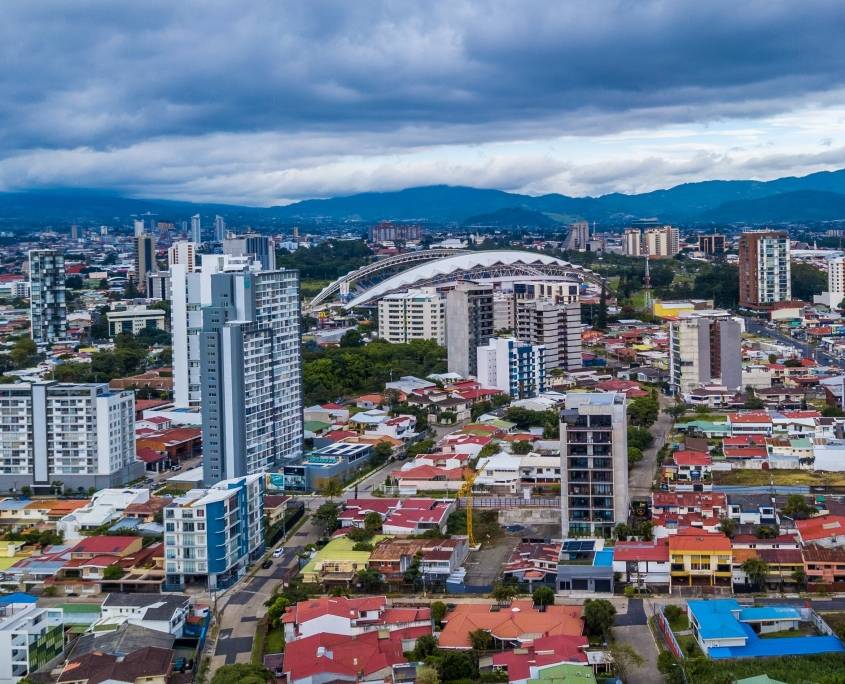
Sky Line of San Jose Costa Rica

Navigating the complexities of legal and personal disputes, or finding the necessary evidence for your case requires a professional who is both thorough and meticulous. Leveraging their expertise, Cody L. Gear & Associates has built a reputation for professionalism and integrity. The firm specializes in various investigation areas, addressing the needs of both local and international clients. Whether you’re facing a personal matter or a business-related issue, the approach to investigation is tailored comprehensively to provide clear and impactful results.

Observations

  • Cody L. Gear & Associates provides experienced investigative services in Costa Rica.
  • They handle a range of specialized investigations with professionalism and discretion.
  • Ensuring evidence is gathered efficiently, they maintain partnerships with legal entities.

Understanding Private Investigation in Costa Rica

When you consider hiring a private investigator in Costa Rica, it’s important to understand the intricacies of the legal frameworks, the advantages of local expertise, and the necessary licensing and regulations.

Legal Frameworks and Federal Laws

As you navigate the complex world of private investigation in Costa Rica, you must recognize that federal laws significantly influence the profession. The legal structures ensure that private investigators operate within the boundaries of the law to prevent any form of trespassing or rights infringement. Investigators are expected to have a thorough understanding of Costa Rican law to avoid illegal methods that could jeopardize your case.

  • Trespassing Laws: Knowing property rights is essential for PIs to conduct surveillance without legal repercussions.
  • Data Protection Laws: PIs must adhere strictly to laws relating to the handling of personal information.

Evidence Gathering: Any evidence collected must be obtained legally to be admissible in court.

The Role of Local Expertise

Your private investigator’s familiarity with the Costa Rican terrain and social climate is invaluable. Their local expertise can offer insights into navigating complex cases that intertwine with cultural nuances.

  • Cultural Understanding: Local PIs leverage their knowledge of customs and social cues to blend in and gather information effectively.

Networks with Law Enforcement: Established PIs often have networks with local law enforcement, aiding in more comprehensive investigations.

Licensing and Regulations for PIs

In Costa Rica, like many countries, private investigators must be duly licensed to practice. This ensures they uphold the regulations set forth by governing bodies.

  • Licensing Requirements: Investigators must meet specific criteria and training to receive a license, ensuring they’re qualified.
  • Ongoing Compliance: PIs need to maintain ethical standards and legal compliance to keep their licensing.

Professional Standards: Licensing holds investigators to high professional standards that protect your interests during an investigation.

The Services of Cody L. Gear & Associates

A desk cluttered with surveillance equipment, maps, and case files. A computer screen displays a live feed of a remote location

Cody L. Gear & Associates provides a spectrum of private investigation services tailored to various investigative needs. From tracking fraudulent activities to vetting individuals through comprehensive background checks, the services offered are both meticulous and discreet.

Surveillance and Fraud Investigation

If you suspect fraudulent activities within your business or need personal surveillance solutions, you can rely on the expertise in surveillance and fraud investigation offered by Cody L. Gear & Associates. Their approach pairs traditional investigative techniques with modern technology to gather clear evidence. The aspects covered include:

  • Covert operations to monitor suspect activities
  • Gathering and documenting proof of fraud or misconduct
  • Use of electronic surveillance to supplement physical monitoring

Due Diligence and Background Checks

When entering new business ventures or hiring key personnel, due diligence and background checks are vital services that provide peace of mind and secure investments. With attention to detail, the agency ensures you have all the necessary information before making critical decisions. Services include:

  • Verification of personal and professional histories
  • In-depth analysis of public records and financial stability
  • Uncovering past criminal activities if present

Missing Persons and Personal Matters

Whether you’re looking for a loved one who has gone missing or need assistance with sensitive personal matters, the private investigation services extend to finding missing persons and handling personal cases with care and confidentiality. You can expect:

  • Comprehensive search efforts utilizing a vast network of resources
  • Diplomatic handling of sensitive personal issues
  • Persistent efforts to deliver answers and closure in personal cases

The Importance of Professionalism and Integrity

A private investigator in a sharp suit, standing confidently with a magnifying glass in hand, surrounded by files and evidence

When you engage a private investigator, the assurance of professionalism and integrity underpins the trust necessary for a successful partnership. These values are essential for instilling confidence and ensuring quality service.

Expertise and Training

Expertise stems from comprehensive training and practical experience. Cody Gear is not just an investigator but a professional with a rich background in law enforcement and military intelligence. This foundation equips him with a diverse skill set crucial for the complexity of private investigations in Costa Rica.

Success Stories from Previous Clients

The reputation of a trusted and reputable agency can be gauged by the success stories of previous clients. Through discretion and resolve, experienced private investigators like Cody Gear have been able to resolve cases adeptly, reflecting both the integrity and professional dedication of the agency.

Resources and Investigative Tools

Lastly, a well-founded investigation relies on available resources and investigative tools. You expect a professional like Cody Gear to employ modern resources and tools that enhance the investigative process, leading to efficient and successful outcomes.

Specialized Investigation Areas

A remote jungle setting with dense foliage, a hidden surveillance camera, and a mysterious figure in the distance

In the realm of private investigative services, there are specific domains that demand a high level of expertise and precision. Certain areas require tailored methods to gather incontrovertible evidence and deliver clarity to complex situations.

Infidelity and Cheating Spouse Investigation

When you suspect infidelity, obtaining clear evidence is crucial. Cody Gear specializes in discreetly uncovering the truth behind a spouse’s behavior. By utilizing state-of-the-art surveillance, including both video and photos, this service helps provide the concrete evidence you need to confront the situation or take legal action.

Narcotics and Property Theft

The narcotics trade often intersects with incidents of property theft. Cody Gear’s investigators use a combination of on-the-ground surveillance and informed intelligence gathering to track down leads. This specialization not only helps to recover stolen goods but also assists in exposing the networks behind these illicit activities.

Cybercrime and Digital Evidence

Cybercrime is an ever-growing concern with digital footprints becoming a key component in many investigations. Cody Gear and Associates have the technical knowledge to trace digital activities, uncover digital evidence, and provide a comprehensive analysis that can stand up in a court of law. Whether it’s identity theft, digital fraud, or harassment, you are equipped with the necessary expertise to navigate the complexities of cyber investigations.

Consultation & Partnership with Legal Entities

A private investigator in Costa Rica consults with legal entities, forming partnerships

In your pursuit of adept investigative services, partnering with a professional adept in navigating legal intricacies can provide substantial support to various legal entities. Such collaboration ensures thoroughness and discretion across a range of sensitive matters.

Collaborating with Law Firms

When you engage with Cody Gear & Associates, your law firm gains an investigative partner who understands the fine balance between thoroughness and discretion. These services often involve gathering public information and conducting criminal background checks vital for your cases. The process is detailed below:

  • Initial Consultation: Understanding the scope of the investigation and legal needs.
  • Strategy Development: Tailoring investigative methods suitable for legal outcomes.
  • Information Gathering: Employing legal and ethical practices to collect evidence.
  • Reporting: Providing comprehensive findings in a format usable for legal proceedings.

Private Investigations and Peace of Mind

Securing the services of a Costa Rica private investigator brings you peace of mind knowing that sensitive information is handled with the utmost care. Investigations by Cody Gear are not only about uncovering facts but also about ensuring information is procured legally and ethically to stand in legal proceedings. Your concerns are managed confidentially, and the findings are presented with clarity to help in your decision-making.

Handling Complex Legal Matters

Your intricate legal matters require detailed attention and expertise. By involving a private investigator, you can navigate complex scenarios with confidence, knowing that all leads will be thoroughly examined. Whether it regards to civil cases, criminal defense, or corporate due diligence, every facet is addressed with a methodical approach.

  • Legal Expertise: Understanding nuances of Costa Rican jurisprudence.
  • Comprehensive Analysis: Meticulous examination of all related documentation and facts.
  • Litigation Support: Collaborative efforts to strengthen your position in legal disputes.

Frequently Asked Questions

Uvita

In navigating the details of private investigations in Costa Rica, you may have questions ranging from service offerings to legalities and costs. Here, find concise answers tailored to guide you effectively.

What services are typically offered by a private investigator in Costa Rica?

Private investigators in Costa Rica offer a variety of services, such as conducting background checks, locating missing persons, and investigating potentially fraudulent activities. Whether it’s for personal reasons or business-related issues, these services are crucial for clients seeking discreet assistance.

How can I verify the legitimacy of a private investigator in Costa Rica?

To verify a private investigator’s legitimacy, examine their credentials, check for a professional license, and confirm any affiliations with reputable investigation networks. It’s essential to do due diligence to ensure you’re hiring a qualified professional like Cody L. Gear & Associates, who have a known presence in the region.

What are the legal limitations for private investigation in Costa Rica?

The legal framework in Costa Rica defines boundaries for private investigation, which include respecting privacy laws and refraining from illegal practices such as wiretapping without consent. Understand that legal limitations are in place to protect both the subject of the investigation and the integrity of your investigation.

What is the expected cost of hiring a private investigator in Costa Rica?

Hiring a private investigator can vary in cost depending on the complexity of the case and the services required. It is advisable to request a detailed quote and discuss payment structures beforehand to set clear financial expectations for services rendered by agencies like Cody L. Gear & Associates.

How can I ensure the confidentiality of my case with a Costa Rican private investigator?

Ensure confidentiality by engaging with a professional who upholds strict privacy policies. Discuss confidentiality terms and have a binding agreement in place to secure your sensitive information throughout the investigative process.

What qualifications should a reputable private investigator have in Costa Rica?

A reputable private investigator in Costa Rica should be licensed, have substantial local knowledge and experience, and possess a good understanding of applicable laws. Look for qualifications such as a strong track record and professional education, which are indicative of a trusted practitioner.

Background investigations in Costa Rica are becoming more common as businesses and organizations seek to verify information about potential employees or partners. These checks can help protect companies from fraud and ensure they hire trustworthy individuals.

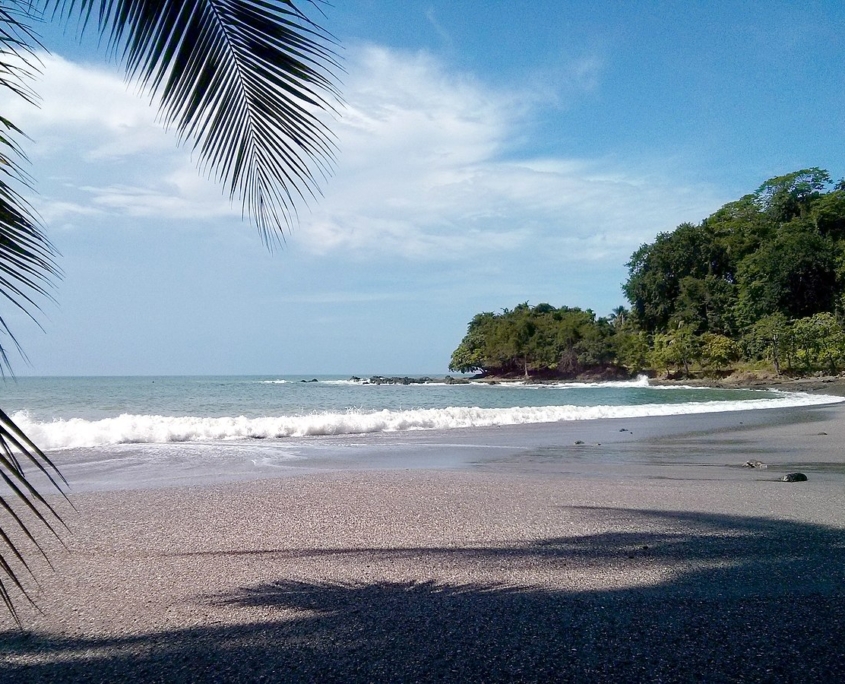
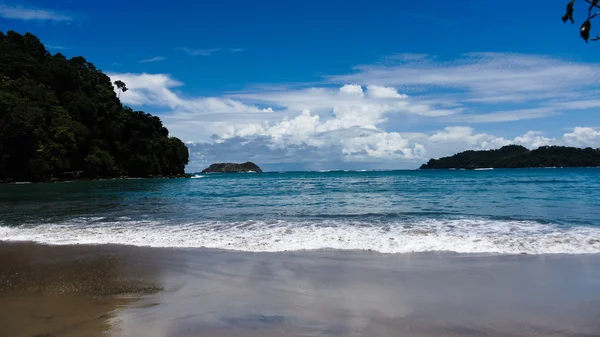
Picturesque beach scene from Costa Rica Pacific coast

Costa Rica has strict privacy laws that impact how background checks are conducted. You need to get written consent from the person being investigated before accessing their personal information. This includes criminal records, credit reports, and employment history.

Many Costa Rican companies now use professional background screening services to comply with legal requirements. These services can verify education credentials, check for criminal records, and confirm past employment details. As Costa Rica’s economy grows, thorough background checks will likely play an increasingly important role in hiring and business decisions.

Understanding Background Investigations in Costa Rica

Sky Line of San Jose Costa Rica

Background checks in Costa Rica are essential for making informed decisions about people and businesses. They help you verify information and uncover potential risks. Professional investigators play a key role in conducting thorough and legal checks.

Scope of Background Checks

In Costa Rica, background checks can cover many areas. You can look into criminal records, civil records, and employment history. Education verification and credit reports are also common. For jobs involving driving, you might check driving records.

Government ID checks help confirm a person’s identity. When hiring, you can do reference checks to learn about a candidate’s work style. Each type of check gives you different information to consider.

Keep in mind that some checks need the person’s consent. You must follow Costa Rica’s data privacy laws when doing background checks.

Importance of Professional Investigators

Hiring a professional investigator in Costa Rica can make your background checks more effective. These experts know the local laws and have access to reliable sources of information.

Professional investigators can:

  • Navigate complex legal systems
  • Find hard-to-get records
  • Spot fake documents or false information
  • Conduct discreet inquiries
  • Provide detailed reports

Their skills help you make better choices about who to trust or hire. They can dig deeper than basic online searches, giving you a fuller picture of a person or company.

Using a pro can save you time and reduce risks. They know how to get accurate info while following all legal and ethical rules.

Private Investigation Services Offered

A magnifying glass hovers over a map of Costa Rica, with various documents and files scattered around, highlighting the process of background investigations

Private investigators in Costa Rica offer a wide range of services to meet diverse client needs. These services help individuals and businesses gather important information and reduce risks.

Surveillance and Infidelity Investigations

Private investigators in Costa Rica excel at surveillance techniques. They can monitor people discreetly to gather evidence of infidelity or other suspicious behavior.

You can hire them to:
• Follow a spouse or partner
• Take photos and videos
• Track movements and activities
• Gather proof of affairs

Investigators use advanced tools like hidden cameras and GPS trackers. They also employ traditional methods like tailing subjects on foot or by car.

For infidelity cases, they can:
• Check phone records
• Monitor social media activity
• Identify unknown contacts

Business and Fraud Investigations

Costa Rican private eyes help businesses protect themselves from fraud. They investigate internal theft, embezzlement, and other financial crimes.

Services include:
• Background checks on business partners
• Due diligence for investments
• Asset searches
• Insurance fraud investigations

Investigators use methods like:
• Financial record analysis
• Interviews with employees
• Undercover operations

They can uncover fake injury claims, ghost employees, or misuse of company funds. This helps businesses save money and maintain their reputation.

Intellectual Property and Employment Screening

Private investigators help protect your ideas and ensure you hire trustworthy employees. They offer specialized services for intellectual property and employment matters.

For intellectual property:
• Investigate patent infringements
• Track counterfeit goods
• Monitor copyright violations

Employment screening services:
• Verify education and work history
• Check criminal records
• Conduct drug tests
• Assess social media presence

These checks help you avoid hiring risks and protect your company’s assets. Investigators use databases, personal interviews, and on-site visits to gather accurate information about potential hires or intellectual property thieves.

Working with Local Experts

A group of researchers gather data in the lush Costa Rican jungle, consulting with local experts and conducting background investigations

Hiring local experts for background investigations in Costa Rica offers key advantages. These professionals bring valuable cultural knowledge and language skills to your case.

Benefits of Hiring Locally

Local Costa Rica private investigators know the area well. They understand local customs and practices. This helps them gather information more effectively.

You can find experienced private investigators who speak both Spanish and English. This is helpful for communicating with locals and international clients.

Local experts have connections in Costa Rica. They know where to look for records and who to talk to. This can speed up your investigation.

Costa Rican investigators are familiar with local laws. They can help you stay compliant during your research.

Cultural Competence in Investigations

Cultural competence is crucial in Costa Rica. Local experts understand social norms and etiquette. This helps them ask questions without offending.

You’ll benefit from their knowledge of Costa Rican business practices. They can spot red flags that outsiders might miss.

Local investigators know how to navigate government offices. They can help you get official records faster.

Their understanding of Costa Rican slang and idioms is valuable. It allows them to pick up on subtle cues during interviews.

By working with culturally competent experts, you’ll get more accurate results. They can interpret findings in the right context.

Legal and Ethical Considerations

A courtroom in Costa Rica with a judge presiding, lawyers presenting evidence, and individuals waiting to testify. Documents and legal books are scattered on the tables

Private investigators in Costa Rica must follow strict rules and moral guidelines. You need to know about the laws and ethical standards that apply to this work.

Compliance with Laws

You must follow Costa Rica’s laws when doing background checks. The country has rules to protect people’s privacy. You can’t use illegal methods to get information. This includes hacking or tapping phones.

Costa Rica’s Constitution protects citizens’ rights. You need to respect these when investigating. Public records are often available, but some info is off-limits.

Be careful with personal data. Costa Rica has laws about how you can collect and use it. Make sure you have permission when needed.

Ethics in Private Investigative Work

Your work as a private investigator must be ethical. This means being honest and fair in all you do. Don’t mislead people or use tricks to get info.

Respect cultural sensitivities in Costa Rica. The country may have different norms than you’re used to. Always treat subjects with dignity.

Be clear about your role. Don’t pretend to be law enforcement. Keep your client’s info private. Only share what you find with the right people.

Your reports should be truthful. Don’t change facts to please clients. If you find nothing, say so. Integrity is key in this field.

Selecting the Right Investigator

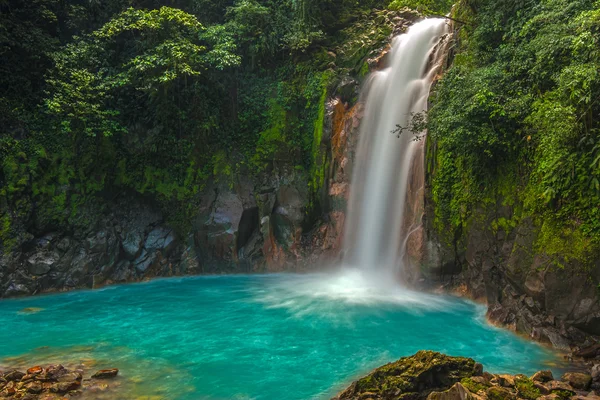
Beautiful waterfall flowing from a Costa Rica Mountain

Choosing a trustworthy private investigator in Costa Rica requires careful consideration. You’ll need to verify their credentials and have a thorough consultation to ensure confidentiality.

Verification of Credentials

When looking for a Costa Rica private investigator, you must check their qualifications. Ask for proof of licensing and professional memberships. Look for investigators with a strong track record of successful cases.

Check their experience in Costa Rica. A good investigator should know local laws and customs. They should speak Spanish and English fluently.

Ask for client reviews or testimonials. This will give you an idea of their work quality. Be wary of investigators who can’t provide references.

Consultation and Confidentiality

Set up a meeting with potential investigators. This lets you gauge their professionalism and expertise. Ask about their methods and tools. A trusted private detective agency in Costa Rica will be open about their approach.

Discuss fees upfront. Prices can range from $75 to $150 per hour. Get a clear breakdown of costs.

Confidentiality is key. Make sure the investigator will keep your case private. They should have secure systems for storing and sharing information.

Ask how they’ll communicate with you. Regular updates are important. Choose an investigator who is responsive and discreet.

Frequently Asked Questions

A desk with a computer, files, and a magnifying glass. A map of Costa Rica on the wall. A stack of papers labeled "Frequently Asked Questions Background investigations in Costa Rica."

Background investigations in Costa Rica involve specific processes, costs, and legal considerations. These inquiries can reveal important information about individuals’ histories and criminal records.

How can one obtain a background investigation in Costa Rica?

You can get a background check in Costa Rica by visiting the Judicial Branch offices. Bring your passport and fill out a request form. The process usually takes a few days to complete.

You can also hire a private investigator in Costa Rica for more thorough checks. These professionals have access to additional resources and databases.

Are there any free services for conducting background investigations in Costa Rica?

Free background check services are limited in Costa Rica. You can search public records at government offices at no cost. Some basic information may be available online through official websites.

What is the typical cost associated with conducting a background investigation in Costa Rica?

Costs for background checks in Costa Rica vary. Basic criminal record checks at government offices are relatively inexpensive, usually under $50. Private investigators charge more, with fees ranging from $200 to $1000 depending on the depth of the investigation.

Is it possible for someone with a felony record to obtain residency in Costa Rica?

Costa Rica does consider criminal history when granting residency. A felony record doesn’t automatically disqualify you, but it can make the process more difficult. Each case is reviewed individually.

You may need to provide additional documentation and explanations. It’s best to consult with a Costa Rican immigration lawyer for specific advice.

In an international context, do background investigations reveal criminal activities from other countries?

Background checks in Costa Rica primarily focus on local records. They may not automatically include criminal records from other countries. For a comprehensive international check, you might need to request records from each relevant country separately.

Some private investigation firms offer international background check services. These can be more thorough but also more expensive.

Which questions are typically included in a background investigation process?

Background investigations in Costa Rica usually cover several key areas. These include criminal history, financial records, and employment verification. Investigators may also check education credentials and residential history.

For more detailed checks, they might look into civil lawsuits, property ownership, and business affiliations. The specific questions depend on the purpose of the investigation and the client’s needs.

About the Author: Cody Gear

Cody Gear is a tenured (20+years)and experienced investigator. He is a former law enforcement investigator, Law degreed and Certified Fraud Exaaminer.

Background checks in San Jose, Costa Rica, serve as a critical tool for individuals and organizations aiming to ensure safety and security in their personal and professional endeavors. Vital to hiring practices and residency applications, these checks help verify identities and screen for criminal histories. In Costa Rica, the legalities concerning background checks are stringent, with specific emphasis on consent and data protection laws, ensuring that such processes are conducted with due respect for privacy.

A bustling city street in San Jose, Costa Rica, with people lining up outside a government building for background checks. The sun is shining, and colorful buildings line the street

Whether you are checking a potential business associate or your Costa Rica girlfriend, keep in mind conducting a background check in Costa Rica, one must navigate a variety of documentation and adhere to the procedures outlined by the Costa Rican authorities. From criminal records provided by the Registro Judicial to the detailed checks related to employment history and credit reports, every check is governed by clear protocols. Understanding the types and procedures of these checks and the documentation involved is essential for compliance and for utilizing these checks effectively.

Observations

Background checks are essential for verifying identity and maintaining security in San Jose, Costa Rica.

Legal compliance with Costa Rican data protection laws and consent requirements is crucial.

A comprehensive check may include criminal records, employment history, and additional verification.

Legal Framework for Background Checks in Costa Rica

A courtroom in Costa Rica with legal documents and judges presiding over background check regulations in San Jose

In Costa Rica, the legal requirements for background checks are defined by local legislation and influenced by international protocols. Understanding these frameworks ensures your background check process complies with legal standards.

Local Laws and Regulations

Costa Rica mandates strict adherence to privacy laws when you conduct background checks. Data Privacy and Protection are crucial, and you are required to obtain explicit consent from the individual before performing any checks. The types of background checks you can perform include:

  • Criminal Records: Accessible through official channels with the subject’s consent.
  • Credit Reports: Requires consent and is subject to financial privacy laws.
  • Employment History and Education Verification: Must comply with data protection laws.
  • Driving Records and Government ID Checks: Both are also governed by privacy regulations.

International Agreements and Apostilles

If you’re dealing with international background checks, e.g., for United States citizens looking to reside in Costa Rica, you’ll need to understand the process of authentication. Documents from countries like the United States and United Kingdom often require an Apostille to certify their legitimacy. This is a form of Authentication or Legalization that confirms the document is valid and can be recognized in Costa Rica.

For U.S. citizens, an Identity History Summary—often referred to as a criminal history record—provided by the Federal Bureau of Investigation (FBI) may be necessary. This Summary should be apostilled in the United States before it’s presented in Costa Rica.

Keep in mind that Apostilles are part of the Hague Convention, to which both the United States and Costa Rica are signatories. Thus, documents issued in one signatory country and duly apostilled are accepted in another without further authentication.

Types and Procedures of Background Checks

A desk with a computer, files, and a phone. A person conducting background checks in an office in San Jose, Costa Rica

In San Jose, Costa Rica, ensuring that background checks are thorough and in compliance with local laws is crucial for the integrity of the screening process.

Criminal Records and Police Clearance

When you’re seeking to obtain criminal records or a police clearance in San Jose, you’ll begin by interacting with the Criminal Justice Information Services (CJIS). Here’s a step-by-step process:

  1. Submit a Formal Request: You need to request a police clearance certificate, also known as a Criminal Background History Certification, from the Costa Rica Police Clearance authorities.
  2. Provide Necessary Identification: Have your personal identification documents ready; this typically includes a government-issued ID or passport.
  3. Complete an Identity History Summary Check (IHSC): You may be asked to complete an IHSC application form.
  4. Choose Processing Channels: Submission can typically be done via mail or through electronic channels, if available.
  5. Follow-up: After submission, keep track of the progress and respond promptly to any inquiries.

It’s important to note that your criminal history will be thoroughly reviewed through the channels of the Costa Rican judicial system.

Employment and Credit History Verification

Your employment and credit history also play a critical role in a comprehensive background check.

  • Employment History Verification
    • Directly contact past employers. Obtain confirmation of positions held and dates of employment.
    • Request employment verification letters where possible, which should ideally include the employer’s contact information and a signature for authenticity.
  • Credit History Verification
    • Secure your consent. Written permission is often required due to privacy laws before a credit report can be accessed.
    • Obtain credit reports from authorized financial entities which detail your financial responsibility and credit standing.

Remember, when verifying employment and credit history in San Jose, accuracy and adherence to data protection laws are paramount to maintaining trust and legality throughout the process.

Requirements and Documentation

A desk with a computer, files, and a document titled "Background Checks in San Jose, Costa Rica" with a magnifying glass on top

When applying for a background check in San Jose, Costa Rica, you should prepare a set of specific documents that verify your identity and residency status. Ensure these are complete and properly authenticated to facilitate a smooth process.

Identification and Residency Documents

For a background check in Costa Rica, your primary identification document is a valid passport. You will need to present a certified copy of your passport, which can usually be obtained from your country’s embassy or consulate in Costa Rica. Additionally, if you are a citizen or a legal resident, your national identification number is essential.

If you are applying for residency, it is required to provide evidence of that status. You may need to present your Residency Application along with any State-issued identification documents. It is crucial that all documents prove your identity clearly and are considered valid within the country.

  • Passport: A certified copy of your valid passport.
  • National Identification Number: Your ID number if you’re a citizen or resident.
  • Residency Application: Documentation related to your residency status in Costa Rica.

Certifications and Translations

In Costa Rica, all foreign documents must be apostilled or authenticated if originating from a country that is a member of the Hague Apostille Convention. This serves as proof that your documents are legitimate and recognized internationally. You can typically mail your documents to the appropriate authority in your home country for this service.

Once authenticated, your documents may need to be translated into Spanish. Be sure to enlist services of a certified translator because official processes in Costa Rica require that all documents are presented in Spanish. Documents such as the Identity History Summary must be accurately translated and certified.

  • Apostilled Documents: Ensure your documents are authenticated.
  • Translation: All documents must be translated into Spanish by a certified translator.
  • Authentication: Certify the accuracy of translations and authenticate the correctness of each document.

This precise documentation will support the validity of your background check application and ensure that the process proceeds without unnecessary delays.

Implications and Use Cases for Background Checks

A bustling city street in San Jose, Costa Rica, with people and businesses in the background. Signs for background check services are visible

Background checks serve as essential tools for verifying the credibility and history of individuals in various circumstances, especially in matters of employment and immigration.

Employment and Immigration Considerations

Your hiring decisions in San Jose, Costa Rica, are greatly influenced by thorough employment verification processes. Employment verification typically involves assessing a candidate’s employment history, education degree verification, and checking references. In addition, you might require criminal records and credit reports to ensure the integrity and reliability of potential employees.

  • A typical employment background check in Costa Rica includes:
    • Criminal records
    • Civil records
    • Employment history
    • Reference checks
    • Education degree verification
    • Credit reports
    • Driving records
    • Government ID checks

Citizens or foreign nationals seeking employment in Costa Rica must comply with data privacy laws and provide consent for these background checks. Verification of fingerprints may also be necessary, especially with positions requiring high security.

Legal Residency and Personal Security

For matters of immigration, background checks, including the FBI Criminal Background Check, play a crucial role. When you apply for temporary residency or aim to become a legal resident in a foreign country like Costa Rica, presenting a national background check from your country of origin is required. This measure ensures your safety and the security of the country.

  • To obtain residency in Costa Rica, you must:
    • Complete an Applicant Information Form.
    • Provide fingerprints for an FBI background check (for U.S. nationals).
    • Submit the necessary documents directly to the FBI or through authorized channels like Outlier Legal Services.
    • Wait for the background check to be processed, which can take a few days to several weeks, depending on the method chosen.

These checks are not only integral to the immigration process but also to maintaining the security and safety of residents within Costa Rica’s borders.

Privacy and Accuracy in Background Reporting

A serene office setting with a computer screen displaying accurate background information. A privacy shield ensures confidentiality

When conducting background checks in San Jose, Costa Rica, you must balance the meticulous protection of personal data with the critical need for accuracy and reliability of the information gathered.

Protection of Personal Data

In Costa Rica, privacy laws safeguard your personal information. Personal data, especially sensitive personal data, must be handled with strict confidentiality. Under these laws, your identity, as well as any information regarding your criminal history, is protected. Organizations conducting background checks should obtain written consent from you before accessing or sharing your personal data. Ensure that the firm you choose complies with Costa Rica’s data privacy regulations to prevent the misuse of your personal information.

  • Written Consent: Always provided before a background check
  • Privacy Laws Compliance: Mandatory for all organizations
  • Sensitive Data: Includes but not limited to:
    • Criminal history
    • Identity history summary

Ensuring Accuracy and Reliability

Accuracy and reliability are paramount when your criminal history and identity history summary are assessed. In compliance with the Criminal Justice Information Services (CJIS) standards, background reports should accurately reflect your past interactions with the law, confining to factual and relevant information without including prior arrest data not leading to convictions. These measures ensure that hiring decisions are made based on precise and current data. Reliable background reporting hinges on:

  • CJIS Standards: Ensure the reports meet national standards.
  • Accuracy in Reporting: Limiting to convictions and relevant legal interactions.
  • Reliability: Confirmation that the provided information is up-to-date and verifiable.

Employers are expected to review background checks judiciously and weigh their findings in light of their relevance to job requirements.

Frequently Asked Questions

A bustling office in San Jose, Costa Rica, with people lining up to inquire about background checks. The room is filled with the sound of chatter and the clicking of keyboards as employees work diligently to assist customers

Navigating the complexities of background checks in San Jose, Costa Rica, can raise several questions regarding legality, cost, and process. This section provides clear-cut answers to some of your most pressing queries.

What are the legal requirements for conducting background checks in Costa Rica?

In Costa Rica, the legal framework for background checks requires consent from the individual being checked. You must adhere to data privacy laws that protect personal information. It is essential to understand what types of checks are permitted, including but not limited to criminal and employment history verifications.

How can I obtain a free background check in San Jose, Costa Rica?

Free background checks are not typical in Costa Rica. However, individuals can request their own criminal record checks from the Ministry of Justice and Peace at no cost. If you require more detailed background information, there may be fees associated with third-party services or government agencies.

Which agencies offer the most comprehensive background checks in Costa Rica?

Various agencies offer background checks, with some providing more in-depth services than others. To ensure a comprehensive background check in Costa Rica, consider agencies that specialize in this area or have a track record of thorough research, such as Cody L Gear and Associates or CID Legal.

What is the process for obtaining an FBI background check for U.S. citizens living in Costa Rica?

If you’re a U.S. citizen in Costa Rica and need an FBI background check, you can start by submitting a request to the FBI CJIS Division. You will mail in a signed applicant information form, a fingerprint card, and a payment of $18 U.S. dollars per person. The processing typically takes several weeks.

Are there restrictions for foreigners with criminal records entering Costa Rica?

Foreigners with criminal records may face restrictions when entering Costa Rica. Entry is determined on a case-by-case basis, considering the severity and recency of the criminal record. Relevant authorities assess whether an individual’s past behavior could pose a threat to the country’s security or citizens.

Tips for Locating Missing Persons:

Every second counts when someone goes missing in Costa Rica, and having the right help is crucial. Cody Gear, the Top Costa Rica Private Investigator Shares Tips for Locating Missing Persons

In Costa Rica, private investigators are key in finding missing persons.

With their local knowledge and specialized skills, they can trace whereabouts quickly and effectively.

These professionals use a variety of techniques, such as background checks and surveillance, to gather valuable information.

Costa Rica Beach

Private investigators in Costa Rica often have extensive experience and local contacts that can provide important leads.

By understanding the nuances of the area and linking with local resources, they can offer a significant advantage in missing person cases.

Their ability to navigate the local systems and collaborate with authorities increases the chances of a successful outcome.

Engaging a private investigator can bring much-needed insights and direction during a difficult time.

They focus on uncovering details that might otherwise be missed, all while maintaining discretion and professionalism.

Whether it’s tracking recent interactions or potential movements, their efforts are tailored to finding and bringing your loved one back.

Observations

  • Local expertise is crucial in finding missing persons in Costa Rica.
  • Private investigators utilize background checks and surveillance for effective searches.
  • Collaborating with authorities and using local contacts boosts success.
  • Authorities are slow to act in missing person cases

Understanding Private Investigation in Costa Rica
A magnifying glass hovers over a map of Costa Rica, with a flashlight illuminating a path. A silhouette of a figure stands in the background, symbolizing the search for missing persons

Navigating private investigations in Costa Rica requires adherence to strict regulations, a nuanced understanding of local culture, and close cooperation with law enforcement. This ensures the effectiveness and legality of each operation.

Legal Framework and Regulations

In Costa Rica, private investigators must comply with the laws of Costa Rica. While there is no oversight of the Private Investigator industry in Costa Rica, the law must be followed.

The government maintains strict control over who can practice, ensuring that only qualified individuals with clean records operate in this field. This includes legally being in Costa Rica and having the right to work.

Investigators must obtain permission from the relevant authorities. This ensures all activities remain within legal boundaries. You must be a legal resident or a citizen of Costa Rica to work here.

Regulations cover a wide range of areas, including surveillance, data gathering, and client confidentiality.

Cultural Nuances and Local Knowledge

Understanding Costa Rican culture is crucial for private investigators. The country’s social dynamics can greatly influence investigations.

Knowing local customs, language nuances, and social networks often makes the difference in gathering accurate information.

Building trust within communities is essential. Many cases, especially those involving missing persons, rely on local cooperation.

Investigators often engage with community leaders and residents to get insights that outsiders might miss.

Cultural sensitivity also ensures that operations are conducted respectfully and effectively, avoiding potential conflicts.

Collaboration with Local Law Enforcement

Close cooperation with local law enforcement is vital for private investigators in Costa Rica.

Law enforcement agencies have resources and jurisdictional power that private investigators lack. By working together, they can tackle complex cases more efficiently.

This collaboration can involve sharing information, coordinating surveillance efforts, and utilizing law enforcement databases.

It also ensures that any legal procedures are followed strictly to avoid compromising investigations.

Having a good relationship with police can also speed up the process of getting necessary approvals and support when needed.

This partnership strengthens the overall effectiveness of the investigative work.

The Role of a Private Investigator
Private investigators in Costa Rica are essential for finding missing persons. They use their expertise and discretion to conduct thorough investigations, relying on a variety of skills and specialized knowledge.

This is particularly true f the missing person is an adult. The circumstances leading up to and immediately following the disappearance are crucial.

Skills and Expertise Required

Private investigators need a diverse set of skills to be effective.

Analytical abilities are crucial for piecing together clues and data.

Strong communication skills are important for interviewing people and gathering information.

Investigators often have backgrounds in law enforcement or security, bringing valuable experience to their work.

They must be detail-oriented to ensure nothing is overlooked during an investigation.

Familiarity with local laws and regulations in Costa Rica is also essential.

Specializations of Investigators

Private investigators can specialize in various areas.

Surveillance is a common specialization, involving watching and recording activities without being detected.

Background checks are another essential service, requiring meticulous research into an individual’s history.

Some investigators focus on cybercrime and digital forensics, which involves tracking online activities and recovering digital evidence.

In missing person cases, investigators use their local contacts and knowledge to trace individuals and uncover leads.

Ensuring Confidentiality and Discretion

Confidentiality and discretion are critical aspects of a private investigator’s job.

They must handle sensitive information carefully to protect their clients’ privacy.

Maintaining client trust is essential, so all findings and communications are kept secure and confidential.

Investigators use discreet methods to avoid drawing attention to their activities, ensuring their work does not compromise the safety or privacy of those involved.

This dedication to privacy and security helps build a reliable and trustworthy reputation.

Investigators also adhere to strict ethical standards to ensure all actions are legal and professional.

This approach ensures that the investigation is both effective and respectful of everyone’s rights.

Investigative Techniques and Challenges

Finding missing persons in Costa Rica involves a mix of traditional and modern techniques, along with navigating local challenges.

Surveillance and Evidence Gathering

Surveillance requires careful planning and discretion.

You would often use tools like cameras, binoculars, and GPS trackers.

Keeping a low profile is key to avoid raising suspicion. Speaking with locals can yield vital tips and leads.

Important methods include:

  • Observational Surveillance: Watching specific locations.
  • Interviews: Talking to friends, family, and neighbors.
  • Documentation: Recording all findings with photos and notes.

Digital Forensics and Cybercrime

With the digital age, much of your investigation involves technology.

You may analyze social media, emails, or phone records.

Retracing the online steps of a missing person can uncover hidden details or important connections.

Key areas of focus include:

  • Social Media Tracking: Checking recent posts and interactions.
  • Email Analysis: Scanning for unusual messages or contacts.
  • Phone Records: Reviewing call logs and text messages.

Dealing with Language Barriers

Costa Rica’s primary language is Spanish, so understanding the language can be a hurdle.

Hiring a local translator or bilingual investigator can help immensely.

Being respectful and culturally aware enhances cooperation from locals.

Steps you can take include:

  • Learning Basic Phrases: Helps in everyday interactions.
  • Using Translation Apps: Handy for quick translations.
  • Hiring Local Help: Guides and translators improve accuracy.

Conducting Missing Person Investigations
A private investigator searches through files and maps, making phone calls and following leads to locate a missing person in Costa Rica

When it comes to finding missing persons in Costa Rica, it’s important to use a combination of research, background checks, and both international and local efforts. This approach helps make sure all avenues are explored.

Research and Background Checks

The first step in any missing person investigation involves thorough research and background checks.

You need to gather as much personal information about the missing person as possible, including:

  • Full name
  • Date of birth
  • Last known whereabouts
  • Personal habits and routines
  • Social media

Checking social media profiles and speaking to friends and family can offer valuable clues.

Look into personal backgrounds, such as financial records and employment history, to uncover any unusual patterns. Sometimes, the smallest detail can provide the biggest hint.

International and Local Investigations

For a successful missing person search in Costa Rica, leveraging both international and local methods is crucial.

Using local investigators who know the geography and culture can lead to key insights and contacts. These professionals often have networks that can reach other parts of Latin and South America.

International connections are also important if the missing person might have traveled abroad.

Collaborating with agencies in different countries ensures that the search extends beyond local boundaries.

Utilizing tools like Interpol’s database and keeping communication lines open with international authorities are essential tactics in global investigations.

Achieving Results and Providing Closure

A private investigator reviewing case files and maps, making phone calls and following leads to locate missing persons in Costa Rica

Finding missing persons in Costa Rica involves dedication and effective communication. Sharing real-life testimonials and case studies highlights the importance of both elements in achieving successful outcomes.

Communication and Reporting to Clients

Clear communication with clients is essential.

You deserve regular updates on the progress of the investigation. This keeps you informed and reduces anxiety.

Private investigators in Costa Rica often use email, phone calls, and secure messaging apps to provide timely reports.

Frequency of updates varies, but weekly or bi-weekly reports are common.

Detailed reports include information gathered, areas searched, and any leads.

This thorough approach builds trust and ensures transparency. It helps you stay connected to the investigation, giving you peace of mind.

Listening to your concerns and questions is also crucial.

Investigators should take the time to explain their methods and findings. This keeps the process clear and understandable. You should never feel left in the dark.

Testimonials and Case Studies

Testimonials from clients offer insight into the investigator’s dedication and success.

Reading about other people’s experiences provides reassurance.

Hearing how an investigator helped others find their loved ones can be motivating. It shows that closure is possible.

Case studies dive into specific investigations, detailing the steps taken and challenges faced.

These stories illustrate the hard work and expertise involved.

They can include how local contacts were used, legal boundaries navigated, and ultimately, how closure was achieved.

Both testimonials and case studies highlight dedication in each case. They show real-life examples of successful resolutions. This demonstrates the commitment to not just finding missing persons but also providing closure for families.

Frequently Asked Questions

A private investigator's office with maps, photos, and a computer displaying missing person databases

Private investigators in Costa Rica have several methods and tools to track down missing persons. They also have experience with international cases and work within legal limits.

What techniques do private investigators use to track down a missing person?

Private investigators use surveillance, interviews, and background checks. They employ advanced technology and local contacts to gather necessary information.

Can a private investigator help with international missing person cases?

Yes, private investigators can assist with international cases. They collaborate with local authorities and other investigators globally to find missing persons.

What information is necessary to initiate a missing person investigation?

You need to provide details like the missing person’s last known location, recent photos, and any relevant personal information. The more details, the better.

How long does it typically take for a private investigator to find a missing person?

The time varies depending on the complexity of the case. Some cases might be resolved quickly, while others can take several months.

Are there legal restrictions that private investigators face during missing person searches?

Private investigators must follow privacy laws and cannot trespass or hack into private information. They work within legal boundaries to gather evidence.

How do the costs of hiring a private investigator for a missing person case typically calculate?

Costs depend on the complexity and duration of the case.

Fees can include hourly rates, travel expenses, and any specialized equipment or resources needed.


Safety in Costa Rica as a Tourist: Essential Travel Tips

Costa Rica Beach


Traveling to Costa Rica offers a mix of lush rainforests, stunning beaches, and rich cultural experiences. Known for its biodiversity and eco-friendly tourism, it’s a destination that beckons travelers seeking adventure and relaxation alike. While Costa Rica is generally considered safe, especially compared to other countries in the region, staying informed about safety practices as a tourist is crucial to ensuring a trouble-free journey. Like any travel destination, it’s necessary to be aware of the risks associated with crime, local travel, natural sites, and health matters.

Upon arrival in Costa Rica, understanding how to navigate safely through various modes of transport, what to expect from accommodations, and the precautions to take while exploring the natural wonders can make all the difference in your travel experience. Additionally, safeguarding personal belongings, being prepared for any emergencies, and leveraging insights from social media and the traveler community can enhance your visit. A mindful approach to your surroundings and interactions can lead to an enjoyable and memorable stay in this breathtaking country.

Key Takeaways

  • Costa Rica offers a unique travel experience with a strong emphasis on eco-tourism and safety.
  • Awareness of safety procedures related to transportation, accommodation, and outdoor activities contributes to a secure trip.
  • Protecting personal belongings and staying informed through community insights further ensures an enjoyable visit.

General Safety and Crime Information

A tourist walks through well-lit streets with visible police presence, while signs warn against pickpocketing and advise caution in crowded areas

Costa Rica is celebrated for its serene natural beauty and is considered a relatively safe destination for travelers. However, like any popular tourist spot, it’s important to be aware of potential risks, especially related to crime. Familiarizing yourself with common offenses and adjusting to local laws and customs will help ensure a secure visit.

Common Crimes and Areas to Avoid

Petty Crime: Your vigilance should be heightened against petty crimes such as pickpocketing and theft, which are more common in crowded areas and tourist hotspots. Pay particular attention to your personal belongings in places like San José, where such instances are more frequent.

Violent Crime: Though less frequent, there have been reports of violent crimes including robbery, assault, and even cases of sexual assault. It is advisable to avoid traveling alone at night and to stay away from known high-risk areas, including parts of Desamparados, Los Guido, La Carpio, and Leon XIII.

Natural Disasters: Costa Rica is prone to natural threats like earthquakes and is impacted by hurricane season. Stay updated on any travel advisories or weather warnings during your stay.

Areas to Avoid:

  • Desamparados
  • Los Guido
  • La Carpio
  • Leon XIII
  • Limon

Remember to keep your belongings secure and keep a level of caution, especially when en route to unfamiliar neighborhoods or when approached by strangers.

Understanding Local Laws and Customs

Drugs and Legal Issues: Costa Rica has strict laws against drug trafficking and possession of illegal drugs. Don’t succumb to any shortcuts that promise quick experiences; even small quantities can result in severe legal consequences. Better to enjoy the country’s rich cultural offerings and nature without the need for such substances.

Local Customs: Embrace the local customs and you’ll find Costa Rica to be an inviting and friendly country. Costa Ricans, known as Ticos, are known for their peaceful disposition. It’s also prudent to have a basic understanding of Spanish as it’s the most widely spoken language and knowing it can help you navigate local nuances better.

By staying informed and cautious, you can savor the wonders of Costa Rica without undue concerns about safety.

Transport and Accommodation Tips


When visiting Costa Rica, ensuring safe and reliable transport and accommodation is paramount to your travel experience. From taxis to public transportation, and selecting hotels, you’ll want to be informed to make the best choices for your safety and comfort.

Getting Around Safely: Taxis and Public Transport

When navigating the streets of cities like San Jose or coastal areas like Limon, using a taxi can be a secure and convenient way to travel. To avoid theft, always opt for official taxis, which are red with a yellow triangle on the side. It’s also recommended to use a trusted taxi app or have your hotel call one for you.

For those adventures where public transportation is the choice of travel, buses are a common and affordable method to reach destinations, including the renowned Manuel Antonio Park. Keep an eye on your belongings, as crowded buses can be a hotspot for petty theft. Purchase your tickets from the bus terminal to ensure legitimacy.

  • Taxis: Red with a triangle; use apps or hotel services; agree on fares beforehand.
  • Public Buses: Affordable; buy tickets at terminals; watch your belongings.

Selecting Secure Lodging

Choosing where to stay is just as important as how you get around. When selecting your hotel, prioritize establishments that are reputable and have good reviews regarding safety. Travel insurance is a wise investment as it can offer protection in the event of theft or other unexpected issues.

During the hurricane season from June to November, check that your accommodation has the necessary protocols in place. Also, verify they have easy access to medical care in case of an emergency. In regions like Manuel Antonio, you’ll find a range of hotels that offer both security features and proximity to healthcare facilities.

  • Hotels: Choose reputable; verify safety reviews; ensure close to medical care.
  • Safety Tips: Use travel insurance; check for hurricane season preparedness.

Remember, staying informed and being proactive about your choices in transportation and lodging can significantly enhance your safety during your Costa Rican adventure.

Beach and Natural Park Safeguards

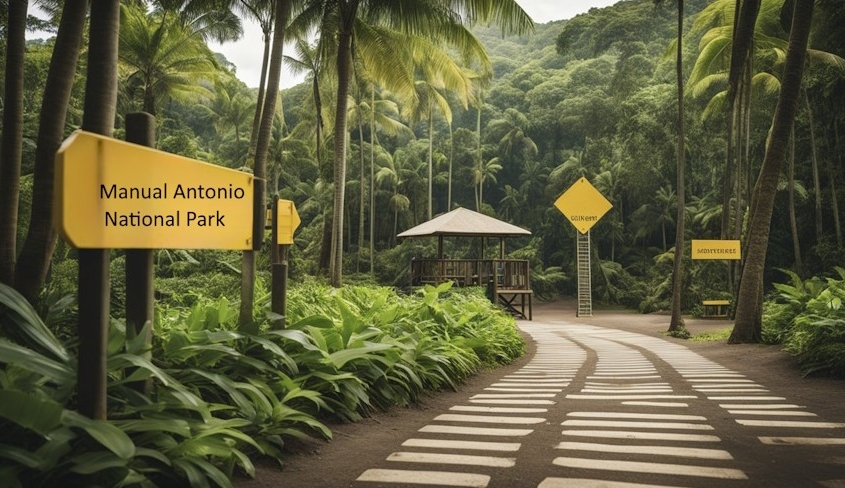
Manual Antonio Entrance


As you soak in the sun on Costa Rica’s stunning beaches or wander through its majestic national parks, keeping safety in mind is crucial. Whether you’re surfing on the Pacific coast or hiking in Manuel Antonio, a few precautionary steps can ensure your adventures are memorable for all the right reasons.

Beach Safety Measures

Beaches: The beaches of Costa Rica, like Tamarindo and those along the Caribbean coast, are beautiful, but it’s vital to be mindful of your surroundings. Always swim in areas with lifeguards on duty and heed any posted warning signs about dangerous currents or tides.

  • Valuables: Never leave your belongings unattended. Use hotel safes for important documents and only bring what you need for the day.
  • Night: Avoid the beach after dark, as this is when risks can increase. Most beaches do not have lighting or night-time security.
  • Adventure Activities: Enjoy water sports like surfing and diving with reputable companies that provide proper equipment and safety briefings.

Exploring National Parks Responsibly

National Parks: Each park, including the popular Manuel Antonio National Park, is a treasure trove of biodiverse wildlife. To respect these ecosystems and for your safety:

  • Wildlife: Observe from a distance. Feeding or trying to touch animals disrupts their natural behavior and can be dangerous.
  • Hiking: Stick to marked trails and consider hiring a guide for unfamiliar or challenging routes.
  • Common Sense: Bring essentials like water, a map, and a fully charged phone. Inform someone of your plans, especially if embarking on longer hikes or remote trails.

Adventure Activities: If participating in adventure activities in the parks, such as zip-lining or rock climbing, ensure the operator follows safety standards and provides necessary instructions and equipment.

Health and Emergency Preparedness

Before embarking on your journey to Costa Rica, it’s important to be well-informed about healthcare resources and how to handle emergencies, including natural disasters. Keeping your health and security at the forefront ensures a more enjoyable and safe travel experience.

Tourist in Costa Rica follows safety signs, checks emergency exits, and locates first aid kits in hotel lobby

Travel Health Advice

Costa Rica’s tropical environment, while beautiful, poses various health concerns you should be aware of. Zika virus is one such concern, and protection against mosquito bites should be a priority. It’s recommended that you have your yellow fever vaccination if required, and carry your vaccination certificate during travel. As you pack, remember to include a small health kit with first aid essentials and any personal medications.

It is important to confirm that your travel insurance includes coverage for unforeseen medical issues, including medical evacuation, should the need arise. Beware of drink spiking incidents, with dangerous substances like methanol; always monitor your beverages.

Lastly, familiarize yourself with local hospitals and clinics to ensure quick access to healthcare if needed.
What to Do in Case of an Emergency

In the event of natural disasters, such as hurricanes, flooding, landslides, tsunamis, or earthquakes, stay calm and follow the instructions from local authorities. Here’s a quick guide on how to respond:

  • Hurricanes/Flooding/Landslides: Seek shelter immediately, avoid low-lying areas, and follow evacuation orders if given.
  • Tsunamis/Earthquakes: Drop, cover, and hold on during an earthquake. If a tsunami warning is issued, move to higher ground as quickly as possible.

For medical or security emergencies, call 911—the nationwide emergency number. If you require consular assistance, reach out to your country’s embassy. Ensure you have access to emergency funds and know the location of the nearest medical facility for rapid intervention.

Personal Belongings and Anti-Theft Practices

A backpack with a padlock attached, a money belt worn under clothing, and a secure hotel safe

When traveling in Costa Rica, keeping your personal items secure is paramount. Theft can happen, but with the right precautions, you can minimize the risks and enjoy your journey.

Protecting Your Valuables and Identification

Carrying your passport and valuables carefully is crucial. Use a hotel safe when available, and consider anti-theft bags or pouches to carry essentials. When in transit, keep a photocopy of your passport and other identification separate from the originals, it reduces the trouble in case of loss or theft.

  • Luggage: Always use locks and stay close to your items, especially in crowded areas.
  • Passports: Keep it concealed in a money belt or inside pocket, not in a backpack or purse.
  • Valuables: Limit what you carry. If you don’t need it, don’t take it with you.

Staying Vigilant in Public Spaces

In public areas, maintain a high level of awareness to protect against pickpocketing and theft. Purses should be kept in front, and backpacks should be worn on the chest in crowded settings.

  • Pickpocketing: Be particularly cautious in tourist hotspots, where pickpockets may target foreigners.
  • Car Theft: Always park in well-lit, secure locations and never leave valuables in the car in plain view.

By applying common sense and these targeted safety tips, you can keep your belongings safe and enjoy the many wonders of Costa Rica with peace of mind.

Social Media and Community Insights

A tourist in Costa Rica uses social media to gather safety insights from the local community. The lush rainforest and vibrant wildlife provide a picturesque backdrop

Social media platforms like Facebook and Twitter can be valuable resources for staying informed about safety in Costa Rica. Before and during your trip, consider joining expatriate groups or tourism forums on Facebook to connect with others who can share firsthand experiences and safety advice.

For real-time updates, especially regarding demonstrations or large public gatherings that might affect your travel plans, Twitter is a useful tool. Follow local news outlets and the Instituto Costarricense de Turismo for timely announcements.

When looking for safety tips, leverage the wisdom of the community. Travelers often post about their experiences, offering insights on everything from the safest neighborhoods to current travel scams. Here’s a simple breakdown of community-sourced tips:

Safety Tips Community Insights
Transportation Opt for official taxis or service applications to ensure a secure journey.
Nightlife Stick to well-lit, popular areas and avoid walking alone at night.
Belongings Keep your valuables hidden and maintain awareness of your surroundings.

Remember to employ common sense just as you would in any other travel destination. Keep up with local news and stay alert. While the Costa Rican community is warm and inviting, it’s still vital to take the usual precautions to ensure a safe and pleasant visit.

Costa Rica Signage

Frequently Asked Questions


Before heading to Costa Rica, it’s wise to be informed about safety measures and advisories that ensure a pleasant trip. This section covers the essential concerns you may have.

What precautions should tourists take to stay safe in Costa Rica?

Your safety in Costa Rica can be maintained by staying vigilant, using registered transportation, and keeping valuables out of sight. It’s also advised to familiarize yourself with local laws and customs.

Which areas should travelers avoid while visiting Costa Rica?

Certain neighborhoods in San José and Limón have higher crime rates and should be avoided, especially after dark. Stick to well-known tourist destinations and consult local advice for the latest information.

How has the COVID-19 pandemic affected travel safety in Costa Rica?

Costa Rica has implemented health protocols to manage the pandemic, such as mask-wearing and social distancing in public spaces. Always check the latest travel advisories and entry requirements before your trip.

What are some safety tips for families traveling to Costa Rica?

Families should book accommodations in reputable areas, keep an itinerary with emergency contacts, and ensure children are supervised at all times. Consider participating in guided tours for a safer experience.

Are there any health advisories tourists need to be aware of before visiting Costa Rica?

Before traveling, check for updates on vaccinations and health alerts. Protection against mosquito-borne illnesses is recommended, as are the standard vaccines for travel.

What measures are in place to ensure tourist safety in Costa Rica at night?

Avoid walking alone at night, stay in well-lit and busy areas, and always use official taxis or verified ride-sharing services. Night-time safety is a priority in tourist areas, with increased police presence and community vigilance.

Looking for something in Costa Rica

Just what are you looking for in Costa Rica? Trying to locate someone? Trying to check up on a loved one? Perhaps, finding a piece of real estate to purchase. Whatever the case we are here and are ready to help in any way that we can. Some of the things that have changed dramatically over the past 2 years due to the covid pandemic. Such as people moving to live with family due to no work for example.Currently, there are numerous schemes and scams going on with regard to visitors coming to Costa Rica that are unaware of the changes that have occurred during this time. Remember always that you are in a third world country. Be prudent and cautious.


Changes came from top level in Government

Regardless of what you are looking for in Costa Rica, inquiries and the manner to obtain them has been impacted by the changes brought on as a result of Covid 19. According to the University of Costa Rica all of the information concerning the pandemic and the subsequent changes has been orchestrated by to level government.

Most who seek locating someone here are unaware that Costa Rica has no street addresses. It is all descriptive. Additionally there are no protocols in place that update the locations as they are listed in the various registries. Some of the locations could be one to twenty years old. The older the listing of an address the higher likelihood of landmarks changes increases with time. Contacting the U.S. Embassy here to locate someone is uneventful as they will refer you yo the local law enforcement agencies.

Nevertheless

We are here to help you. Our firm has accumulated years of experience and knowledge about this beautiful country. I know what can be reasonable expectations on obtaining the information you seek. We also are a law firm and can help you with many things others can’t.

Reasonable expectations of a Costa Rica private  investigation

In any relationship, there are two sides to every story. What should be your expectations of a Costa Rica investigation?  An investigator may consider an absurd request of a client, could stem from from simple lack of communication.  During the process.on giving facts which not only satisfy the case but to satisfy the client may confusing. A private investigators work is in a results-driven market.  It is here  these heightened beliefs which drive some investigators to always bring their respective “A-game” to each assignment. However, this may also lead some investigators to worry in those rare occasions where your results may fall short of your goals, (as well as the client’s interest  future engagements).

Private investigations are not an exact science

As with most who provide services, we do not always have the luxury of hand-selecting our clients.  In some instances we are faced with certain clients who can be more of a burden than a blessing.  Nothing is more frustrating to an investigator than a client who tries and manage an investigation by intruding or withholding information. This alone could result in less than an optimal result 

Communication assist with clear expectations of a Costa Rica Private Investigation

Accepting any assignment, it is critical to communicate to the client the importance of sharing as much information as possible. I always verbally and write communications the are integral to the inquiry. From the beginning  (no matter how minute the details may be) it may prove to be vital during the course of the investigation. It is equally as important to “tone-down” any preconceived notions of what they may expect,as a result of your efforts. The most effective way is to communicate to your client not only what information is potentially attainable, but more importantly, what may not be within the confines of the law.  It is important during the course of your investigation, to keep the client apprised with a brief email or phone call so that they know you are on top of their situation.

No Guarantees

It is important that the client understand that there are no guarantees for this type of work. The nature  and scope of the investigation industry does not allow for guarantees. Many clients are under the impression that if the information they seek is not available or doesn’t exist they should not have to pay. Thus, it is essential that the need to communicate and at times educate the clients as to the limitations that are present in any type of investigation.


Avoiding Rental Car Scams in Costa Rica

Like most of the losses we suffer when traveling are due to not having all the information. The best way to avoid rental car scams in Costa Rica is having sufficient information. Recently, I read a very good article written by Nikki Solano outlying the ins and outs of renting a car here. There are several things that you as a tourist need to be aware of when renting a car here. My time here went from tourist, to resident to citizen. I have firsthand knowledge of the pitfalls of renting a car in Costa Rica. Probably the largest issue is the one of insurance. Do not get economical when selecting collision coverage for your rental. If you do you may have the shock of your life at the bill you could receive.

Collision Damage Waiver

The law of Costa Rica requires that all cars have liability insurance. It is mandatory.  What is not mandatory is collision damage and uninsured motorist coverage. Although the mandatory liability rates are somewhat reasonable, the collision damage is not. I am not saying that the insurance is a scam. However, I am saying if you don’t know the rules it can wound up costing you thousands of dollars.

When you reserve a rental car here bear in mind that there may be hidden cost and fees that are not disclosed until you are at the counter. I know of some car rental rules that require a $2500 hold on you credit card just to rent the car. What is not disclosed to you if you decline the collision damage, is, the additional expense of repairing the car. If you have an accident the rental company has the right to the whole $2500 plus charging the estimated damage cost to your card, regardless of fault.

What’s the solution?

You can buy the collision coverage and select the deductible you want to be responsible for which is based on a sliding scale. (The higher the deductible the lower the premium) But remember you deductible will be charged to your credit card. Another option, Is your credit cards.  if you have VISA or an American Express card, is that prior to coming to Costa Rica, you contact the credit card company and activate your rental auto insurance.This eliminates the need to take the rental car company’s coverage and leave it to your credit card coverage to work it out. The caveat is that the rental car company will charge your credit car for the full amount of the damage. Once the credit card insurance pays the invoice the amount will be credited back to your account.

Why does this occur

Costa Rica culturally is competitive by nature. All one has to do is drive here just to see first hand how dangerous and how easily an auto accident can occur. The rental car companies are not deliberately be deceptive, but the bottom line is profit. If that means you have to pay more, then, so be it. Additionally, one would have to be terribly naive not to conclude that the car rental car profits for selling you their insurance. Any marketing device that one car rental company can use to promote and position its company over another they will do it. If you want me to look at the car reservation before you book it and point out things you need to know, contact me at codygear@gmail.com.

To learn more click: www.codygear.com


What you need to know:

Costa Rica is once again slowly but surely returning to some sort of normalcy. It would be helpful to outline some of the new regulations after relaxing pandemic rules in Costa Rica, First and foremost is the safety of all. You cannot enter a business without washing your hands and wearing a mask. So, it is not optional and you can face criminal charges if you don’t. But most businesses and restaurants have installed wash basins outside their businesses.

Restaurants and bars are restricted to capacity and activities. So don ‘t think it has returned to the point where the favorite watering hole will be slammed. Likewise, restaurants are limited to capacity and hours of operation. So, a word to the wise, before you go call and make a reservation. If you don’t you may wound up at McDonalds.


Some of the New Regulations after Relaxing Pandemic rules in Costa Rica

As you might be able to interpolate, you can see the easing of restrictions as they apply to specific dates. So a word to the wise would tell you that if you have plans to go to a restaurant, call first and make a reservation.

Vehicle Restrictions

“To restrict the movement of people”, driving restrictions have been put into place. The new Regulations after Relaxing Pandemic, vehicles can only circulate between the hours of 5:00 a.m. and 11:00 p.m. all week long. These times correspond with the hours that most businesses are allowed to be open.

Previously, driving on certain days was also restricted, based on your license plate number. But as of March 1, 2021 all license plate restrictions have been lifted. All cars can now circulate everyday, except in downtown San Jose (for traffic control purposes). See this chart for San Jose restrictions.

Note: Tourism related vehicles (e.g. shuttle vans/tour vans) as well as rental cars are exempt from the driving restrictions. If you need to drive outside the allowed hours or within the San Jose downtown area (e.g you need to catch an early morning flight or are staying at a hotel in San Jose), you should be fine if you present your plane ticket/hotel reservation to the traffic police.” These restrictions are being enforce by the Transit Police and the number of cars they have seized is enormous.

Our team of professionals are at your disposal for any questions or guidance with regard to these new rules. Don’t hesitate to call us for the “skinny”.