Safety in Costa Rica as a Tourist: Essential Travel Tips

Traveling to Costa Rica offers a mix of lush rainforests, stunning beaches, and rich cultural experiences. Known for its biodiversity and eco-friendly tourism, it’s a destination that beckons travelers seeking adventure and relaxation alike. While Costa Rica is generally considered safe, especially compared to other countries in the region, staying informed about safety practices as a tourist is crucial to ensuring a trouble-free journey. Like any travel destination, it’s necessary to be aware of the risks associated with crime, local travel, natural sites, and health matters.
Upon arrival in Costa Rica, understanding how to navigate safely through various modes of transport, what to expect from accommodations, and the precautions to take while exploring the natural wonders can make all the difference in your travel experience. Additionally, safeguarding personal belongings, being prepared for any emergencies, and leveraging insights from social media and the traveler community can enhance your visit. A mindful approach to your surroundings and interactions can lead to an enjoyable and memorable stay in this breathtaking country.
Key Takeaways
- Costa Rica offers a unique travel experience with a strong emphasis on eco-tourism and safety.
- Awareness of safety procedures related to transportation, accommodation, and outdoor activities contributes to a secure trip.
- Protecting personal belongings and staying informed through community insights further ensures an enjoyable visit.
General Safety and Crime Information

Costa Rica is celebrated for its serene natural beauty and is considered a relatively safe destination for travelers. However, like any popular tourist spot, it’s important to be aware of potential risks, especially related to crime. Familiarizing yourself with common offenses and adjusting to local laws and customs will help ensure a secure visit.
Common Crimes and Areas to Avoid
Petty Crime: Your vigilance should be heightened against petty crimes such as pickpocketing and theft, which are more common in crowded areas and tourist hotspots. Pay particular attention to your personal belongings in places like San José, where such instances are more frequent.
Violent Crime: Though less frequent, there have been reports of violent crimes including robbery, assault, and even cases of sexual assault. It is advisable to avoid traveling alone at night and to stay away from known high-risk areas, including parts of Desamparados, Los Guido, La Carpio, and Leon XIII.
Natural Disasters: Costa Rica is prone to natural threats like earthquakes and is impacted by hurricane season. Stay updated on any travel advisories or weather warnings during your stay.
Areas to Avoid:
- Desamparados
- Los Guido
- La Carpio
- Leon XIII
- Limon
Remember to keep your belongings secure and keep a level of caution, especially when en route to unfamiliar neighborhoods or when approached by strangers.
Understanding Local Laws and Customs
Drugs and Legal Issues: Costa Rica has strict laws against drug trafficking and possession of illegal drugs. Don’t succumb to any shortcuts that promise quick experiences; even small quantities can result in severe legal consequences. Better to enjoy the country’s rich cultural offerings and nature without the need for such substances.
Local Customs: Embrace the local customs and you’ll find Costa Rica to be an inviting and friendly country. Costa Ricans, known as Ticos, are known for their peaceful disposition. It’s also prudent to have a basic understanding of Spanish as it’s the most widely spoken language and knowing it can help you navigate local nuances better.
By staying informed and cautious, you can savor the wonders of Costa Rica without undue concerns about safety.
Transport and Accommodation Tips

When visiting Costa Rica, ensuring safe and reliable transport and accommodation is paramount to your travel experience. From taxis to public transportation, and selecting hotels, you’ll want to be informed to make the best choices for your safety and comfort.
Getting Around Safely: Taxis and Public Transport
When navigating the streets of cities like San Jose or coastal areas like Limon, using a taxi can be a secure and convenient way to travel. To avoid theft, always opt for official taxis, which are red with a yellow triangle on the side. It’s also recommended to use a trusted taxi app or have your hotel call one for you.
For those adventures where public transportation is the choice of travel, buses are a common and affordable method to reach destinations, including the renowned Manuel Antonio Park. Keep an eye on your belongings, as crowded buses can be a hotspot for petty theft. Purchase your tickets from the bus terminal to ensure legitimacy.
- Taxis: Red with a triangle; use apps or hotel services; agree on fares beforehand.
- Public Buses: Affordable; buy tickets at terminals; watch your belongings.
Selecting Secure Lodging
Choosing where to stay is just as important as how you get around. When selecting your hotel, prioritize establishments that are reputable and have good reviews regarding safety. Travel insurance is a wise investment as it can offer protection in the event of theft or other unexpected issues.
During the hurricane season from June to November, check that your accommodation has the necessary protocols in place. Also, verify they have easy access to medical care in case of an emergency. In regions like Manuel Antonio, you’ll find a range of hotels that offer both security features and proximity to healthcare facilities.
- Hotels: Choose reputable; verify safety reviews; ensure close to medical care.
- Safety Tips: Use travel insurance; check for hurricane season preparedness.
Remember, staying informed and being proactive about your choices in transportation and lodging can significantly enhance your safety during your Costa Rican adventure.
Beach and Natural Park Safeguards
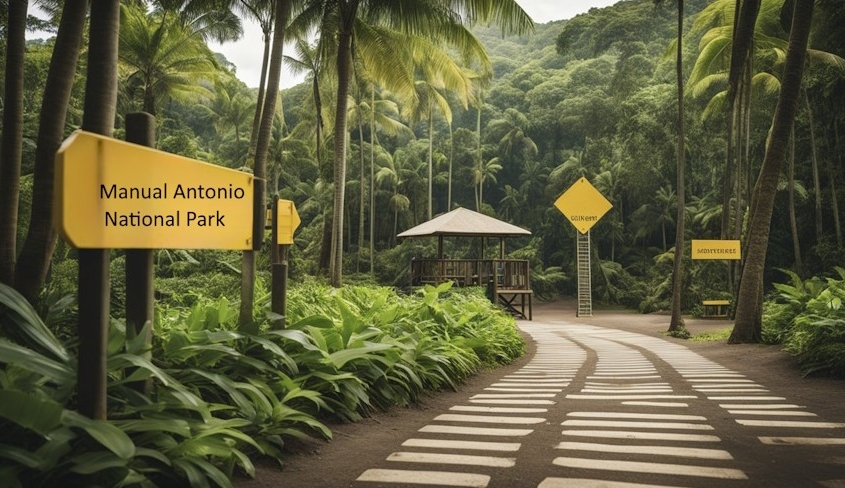
As you soak in the sun on Costa Rica’s stunning beaches or wander through its majestic national parks, keeping safety in mind is crucial. Whether you’re surfing on the Pacific coast or hiking in Manuel Antonio, a few precautionary steps can ensure your adventures are memorable for all the right reasons.
Beach Safety Measures
Beaches: The beaches of Costa Rica, like Tamarindo and those along the Caribbean coast, are beautiful, but it’s vital to be mindful of your surroundings. Always swim in areas with lifeguards on duty and heed any posted warning signs about dangerous currents or tides.
- Valuables: Never leave your belongings unattended. Use hotel safes for important documents and only bring what you need for the day.
- Night: Avoid the beach after dark, as this is when risks can increase. Most beaches do not have lighting or night-time security.
- Adventure Activities: Enjoy water sports like surfing and diving with reputable companies that provide proper equipment and safety briefings.
Exploring National Parks Responsibly
National Parks: Each park, including the popular Manuel Antonio National Park, is a treasure trove of biodiverse wildlife. To respect these ecosystems and for your safety:
- Wildlife: Observe from a distance. Feeding or trying to touch animals disrupts their natural behavior and can be dangerous.
- Hiking: Stick to marked trails and consider hiring a guide for unfamiliar or challenging routes.
- Common Sense: Bring essentials like water, a map, and a fully charged phone. Inform someone of your plans, especially if embarking on longer hikes or remote trails.
Adventure Activities: If participating in adventure activities in the parks, such as zip-lining or rock climbing, ensure the operator follows safety standards and provides necessary instructions and equipment.
Health and Emergency Preparedness
Before embarking on your journey to Costa Rica, it’s important to be well-informed about healthcare resources and how to handle emergencies, including natural disasters. Keeping your health and security at the forefront ensures a more enjoyable and safe travel experience.

Travel Health Advice
Costa Rica’s tropical environment, while beautiful, poses various health concerns you should be aware of. Zika virus is one such concern, and protection against mosquito bites should be a priority. It’s recommended that you have your yellow fever vaccination if required, and carry your vaccination certificate during travel. As you pack, remember to include a small health kit with first aid essentials and any personal medications.
It is important to confirm that your travel insurance includes coverage for unforeseen medical issues, including medical evacuation, should the need arise. Beware of drink spiking incidents, with dangerous substances like methanol; always monitor your beverages.
Lastly, familiarize yourself with local hospitals and clinics to ensure quick access to healthcare if needed.
What to Do in Case of an Emergency
In the event of natural disasters, such as hurricanes, flooding, landslides, tsunamis, or earthquakes, stay calm and follow the instructions from local authorities. Here’s a quick guide on how to respond:
- Hurricanes/Flooding/Landslides: Seek shelter immediately, avoid low-lying areas, and follow evacuation orders if given.
- Tsunamis/Earthquakes: Drop, cover, and hold on during an earthquake. If a tsunami warning is issued, move to higher ground as quickly as possible.
For medical or security emergencies, call 911—the nationwide emergency number. If you require consular assistance, reach out to your country’s embassy. Ensure you have access to emergency funds and know the location of the nearest medical facility for rapid intervention.
Personal Belongings and Anti-Theft Practices

When traveling in Costa Rica, keeping your personal items secure is paramount. Theft can happen, but with the right precautions, you can minimize the risks and enjoy your journey.
Protecting Your Valuables and Identification
Carrying your passport and valuables carefully is crucial. Use a hotel safe when available, and consider anti-theft bags or pouches to carry essentials. When in transit, keep a photocopy of your passport and other identification separate from the originals, it reduces the trouble in case of loss or theft.
- Luggage: Always use locks and stay close to your items, especially in crowded areas.
- Passports: Keep it concealed in a money belt or inside pocket, not in a backpack or purse.
- Valuables: Limit what you carry. If you don’t need it, don’t take it with you.
Staying Vigilant in Public Spaces
In public areas, maintain a high level of awareness to protect against pickpocketing and theft. Purses should be kept in front, and backpacks should be worn on the chest in crowded settings.
- Pickpocketing: Be particularly cautious in tourist hotspots, where pickpockets may target foreigners.
- Car Theft: Always park in well-lit, secure locations and never leave valuables in the car in plain view.
By applying common sense and these targeted safety tips, you can keep your belongings safe and enjoy the many wonders of Costa Rica with peace of mind.
Social Media and Community Insights
Social media platforms like Facebook and Twitter can be valuable resources for staying informed about safety in Costa Rica. Before and during your trip, consider joining expatriate groups or tourism forums on Facebook to connect with others who can share firsthand experiences and safety advice.
For real-time updates, especially regarding demonstrations or large public gatherings that might affect your travel plans, Twitter is a useful tool. Follow local news outlets and the Instituto Costarricense de Turismo for timely announcements.
When looking for safety tips, leverage the wisdom of the community. Travelers often post about their experiences, offering insights on everything from the safest neighborhoods to current travel scams. Here’s a simple breakdown of community-sourced tips:
| Safety Tips |
Community Insights |
| Transportation |
Opt for official taxis or service applications to ensure a secure journey. |
| Nightlife |
Stick to well-lit, popular areas and avoid walking alone at night. |
| Belongings |
Keep your valuables hidden and maintain awareness of your surroundings. |
Remember to employ common sense just as you would in any other travel destination. Keep up with local news and stay alert. While the Costa Rican community is warm and inviting, it’s still vital to take the usual precautions to ensure a safe and pleasant visit.
Frequently Asked Questions
Before heading to Costa Rica, it’s wise to be informed about safety measures and advisories that ensure a pleasant trip. This section covers the essential concerns you may have.
What precautions should tourists take to stay safe in Costa Rica?
Your safety in Costa Rica can be maintained by staying vigilant, using registered transportation, and keeping valuables out of sight. It’s also advised to familiarize yourself with local laws and customs.
Which areas should travelers avoid while visiting Costa Rica?
Certain neighborhoods in San José and Limón have higher crime rates and should be avoided, especially after dark. Stick to well-known tourist destinations and consult local advice for the latest information.
How has the COVID-19 pandemic affected travel safety in Costa Rica?
Costa Rica has implemented health protocols to manage the pandemic, such as mask-wearing and social distancing in public spaces. Always check the latest travel advisories and entry requirements before your trip.
What are some safety tips for families traveling to Costa Rica?
Families should book accommodations in reputable areas, keep an itinerary with emergency contacts, and ensure children are supervised at all times. Consider participating in guided tours for a safer experience.
Are there any health advisories tourists need to be aware of before visiting Costa Rica?
Before traveling, check for updates on vaccinations and health alerts. Protection against mosquito-borne illnesses is recommended, as are the standard vaccines for travel.
What measures are in place to ensure tourist safety in Costa Rica at night?
Avoid walking alone at night, stay in well-lit and busy areas, and always use official taxis or verified ride-sharing services. Night-time safety is a priority in tourist areas, with increased police presence and community vigilance.


Costa Rica Private Investigator
Cheating spouse in Costa Rica, Costa Rica Private Investigator, Costa Rica Travel, Costra Rica Car rental, due diligence, Fraud investigations, Infidelity Surveillance, Missing persons, Private Investigations, Real Estate Fraud, Surveillance in Costa Rica, Tips and Tricks, Travel DestinationsAs a Costa Rica Private Investigator, I have written this blog to look into the intriguing world of private investigation. I have done this using the background of the captivating landscapes of Costa Rica. From its lush rainforests to its serene beaches, Costa Rica offers more than just natural beauty. It’s also a place where mysteries unfold, and secrets are revealed by skilled professionals like me. I have been here for the past nineteen years and have the legal right to work here.
What is a Costa Rica Private Investigator?
Costa Rica Private Investigators are skilled individuals who specialize in uncovering information. We gather evidence and conduct surveillance to help clients solve various personal, legal, or business-related matters. Whether it’s conducting background checks, locating missing persons, or investigating fraudulent activities. I play a crucial role in resolving complex issues with confidentiality and precision.
Addressing the Role:
In Costa Rica, a private investigator navigates a diverse array of cases. Ranging from marital infidelity investigations to corporate fraud inquiries. They utilize a combination of advanced investigative techniques, modern technology, and local knowledge to deliver results that meet the unique needs of each client. With strict adherence to legal and ethical standards, these professionals provide a reliable avenue for seeking truth and justice.
Emphasizing Expertise:
As a Costa Rica Private Investigator, I possess a diverse skill set honed through years of experience and specialized training. I have a background in law enforcement, military intelligence, as well as forensic science, equipping me with the expertise needed to tackle even the most challenging cases. My ability to think critically, analyze data, and adapt to evolving situations sets me apart as a trusted ally in the pursuit of truth.
Acknowledging the Challenges:
Despite my proficiency, I face various challenges inherent to my profession. From navigating complex legal frameworks to overcoming language barriers, each case presents its own set of unique obstacles. However, through perseverance, resourcefulness, and a commitment to my client’s objectives, I surmount hurdles with determination and professionalism.
Targeting Services:
I offer a range of specialized services tailored to meet the diverse needs of individuals, businesses, and legal entities. Whether it’s conducting due diligence investigations for corporate clients or providing surveillance for personal matters, my comprehensive offerings address a broad spectrum of concerns. By customizing strategies to fit each case’s unique circumstances, they ensure thoroughness and efficacy in their endeavors.
My role is multifaceted, encompassing everything from uncovering hidden truths to safeguarding clients’ interests. Through their dedication, expertise, and unwavering commitment to integrity, these professionals serve as indispensable assets in resolving complex issues and bringing closure to unresolved mysteries. Whether you’re facing personal challenges or navigating legal matters, entrusting your concerns to a Costa Rica Private Investigator can lead to invaluable insights and peace of mind.
Safety In Costa Rica
UncategorizedSafety in Costa Rica as a Tourist: Essential Travel Tips
Traveling to Costa Rica offers a mix of lush rainforests, stunning beaches, and rich cultural experiences. Known for its biodiversity and eco-friendly tourism, it’s a destination that beckons travelers seeking adventure and relaxation alike. While Costa Rica is generally considered safe, especially compared to other countries in the region, staying informed about safety practices as a tourist is crucial to ensuring a trouble-free journey. Like any travel destination, it’s necessary to be aware of the risks associated with crime, local travel, natural sites, and health matters.
Upon arrival in Costa Rica, understanding how to navigate safely through various modes of transport, what to expect from accommodations, and the precautions to take while exploring the natural wonders can make all the difference in your travel experience. Additionally, safeguarding personal belongings, being prepared for any emergencies, and leveraging insights from social media and the traveler community can enhance your visit. A mindful approach to your surroundings and interactions can lead to an enjoyable and memorable stay in this breathtaking country.
Key Takeaways
General Safety and Crime Information
Costa Rica is celebrated for its serene natural beauty and is considered a relatively safe destination for travelers. However, like any popular tourist spot, it’s important to be aware of potential risks, especially related to crime. Familiarizing yourself with common offenses and adjusting to local laws and customs will help ensure a secure visit.
Common Crimes and Areas to Avoid
Petty Crime: Your vigilance should be heightened against petty crimes such as pickpocketing and theft, which are more common in crowded areas and tourist hotspots. Pay particular attention to your personal belongings in places like San José, where such instances are more frequent.
Violent Crime: Though less frequent, there have been reports of violent crimes including robbery, assault, and even cases of sexual assault. It is advisable to avoid traveling alone at night and to stay away from known high-risk areas, including parts of Desamparados, Los Guido, La Carpio, and Leon XIII.
Natural Disasters: Costa Rica is prone to natural threats like earthquakes and is impacted by hurricane season. Stay updated on any travel advisories or weather warnings during your stay.
Areas to Avoid:
Remember to keep your belongings secure and keep a level of caution, especially when en route to unfamiliar neighborhoods or when approached by strangers.
Understanding Local Laws and Customs
Drugs and Legal Issues: Costa Rica has strict laws against drug trafficking and possession of illegal drugs. Don’t succumb to any shortcuts that promise quick experiences; even small quantities can result in severe legal consequences. Better to enjoy the country’s rich cultural offerings and nature without the need for such substances.
Local Customs: Embrace the local customs and you’ll find Costa Rica to be an inviting and friendly country. Costa Ricans, known as Ticos, are known for their peaceful disposition. It’s also prudent to have a basic understanding of Spanish as it’s the most widely spoken language and knowing it can help you navigate local nuances better.
By staying informed and cautious, you can savor the wonders of Costa Rica without undue concerns about safety.
Transport and Accommodation Tips
When visiting Costa Rica, ensuring safe and reliable transport and accommodation is paramount to your travel experience. From taxis to public transportation, and selecting hotels, you’ll want to be informed to make the best choices for your safety and comfort.
Getting Around Safely: Taxis and Public Transport
When navigating the streets of cities like San Jose or coastal areas like Limon, using a taxi can be a secure and convenient way to travel. To avoid theft, always opt for official taxis, which are red with a yellow triangle on the side. It’s also recommended to use a trusted taxi app or have your hotel call one for you.
For those adventures where public transportation is the choice of travel, buses are a common and affordable method to reach destinations, including the renowned Manuel Antonio Park. Keep an eye on your belongings, as crowded buses can be a hotspot for petty theft. Purchase your tickets from the bus terminal to ensure legitimacy.
Selecting Secure Lodging
Choosing where to stay is just as important as how you get around. When selecting your hotel, prioritize establishments that are reputable and have good reviews regarding safety. Travel insurance is a wise investment as it can offer protection in the event of theft or other unexpected issues.
During the hurricane season from June to November, check that your accommodation has the necessary protocols in place. Also, verify they have easy access to medical care in case of an emergency. In regions like Manuel Antonio, you’ll find a range of hotels that offer both security features and proximity to healthcare facilities.
Remember, staying informed and being proactive about your choices in transportation and lodging can significantly enhance your safety during your Costa Rican adventure.
Beach and Natural Park Safeguards
As you soak in the sun on Costa Rica’s stunning beaches or wander through its majestic national parks, keeping safety in mind is crucial. Whether you’re surfing on the Pacific coast or hiking in Manuel Antonio, a few precautionary steps can ensure your adventures are memorable for all the right reasons.
Beach Safety Measures
Beaches: The beaches of Costa Rica, like Tamarindo and those along the Caribbean coast, are beautiful, but it’s vital to be mindful of your surroundings. Always swim in areas with lifeguards on duty and heed any posted warning signs about dangerous currents or tides.
Exploring National Parks Responsibly
National Parks: Each park, including the popular Manuel Antonio National Park, is a treasure trove of biodiverse wildlife. To respect these ecosystems and for your safety:
Adventure Activities: If participating in adventure activities in the parks, such as zip-lining or rock climbing, ensure the operator follows safety standards and provides necessary instructions and equipment.
Health and Emergency Preparedness
Before embarking on your journey to Costa Rica, it’s important to be well-informed about healthcare resources and how to handle emergencies, including natural disasters. Keeping your health and security at the forefront ensures a more enjoyable and safe travel experience.
Travel Health Advice
Costa Rica’s tropical environment, while beautiful, poses various health concerns you should be aware of. Zika virus is one such concern, and protection against mosquito bites should be a priority. It’s recommended that you have your yellow fever vaccination if required, and carry your vaccination certificate during travel. As you pack, remember to include a small health kit with first aid essentials and any personal medications.
It is important to confirm that your travel insurance includes coverage for unforeseen medical issues, including medical evacuation, should the need arise. Beware of drink spiking incidents, with dangerous substances like methanol; always monitor your beverages.
Lastly, familiarize yourself with local hospitals and clinics to ensure quick access to healthcare if needed.
What to Do in Case of an Emergency
In the event of natural disasters, such as hurricanes, flooding, landslides, tsunamis, or earthquakes, stay calm and follow the instructions from local authorities. Here’s a quick guide on how to respond:
For medical or security emergencies, call 911—the nationwide emergency number. If you require consular assistance, reach out to your country’s embassy. Ensure you have access to emergency funds and know the location of the nearest medical facility for rapid intervention.
Personal Belongings and Anti-Theft Practices
When traveling in Costa Rica, keeping your personal items secure is paramount. Theft can happen, but with the right precautions, you can minimize the risks and enjoy your journey.
Protecting Your Valuables and Identification
Carrying your passport and valuables carefully is crucial. Use a hotel safe when available, and consider anti-theft bags or pouches to carry essentials. When in transit, keep a photocopy of your passport and other identification separate from the originals, it reduces the trouble in case of loss or theft.
Staying Vigilant in Public Spaces
In public areas, maintain a high level of awareness to protect against pickpocketing and theft. Purses should be kept in front, and backpacks should be worn on the chest in crowded settings.
By applying common sense and these targeted safety tips, you can keep your belongings safe and enjoy the many wonders of Costa Rica with peace of mind.
Social Media and Community Insights
Social media platforms like Facebook and Twitter can be valuable resources for staying informed about safety in Costa Rica. Before and during your trip, consider joining expatriate groups or tourism forums on Facebook to connect with others who can share firsthand experiences and safety advice.
For real-time updates, especially regarding demonstrations or large public gatherings that might affect your travel plans, Twitter is a useful tool. Follow local news outlets and the Instituto Costarricense de Turismo for timely announcements.
When looking for safety tips, leverage the wisdom of the community. Travelers often post about their experiences, offering insights on everything from the safest neighborhoods to current travel scams. Here’s a simple breakdown of community-sourced tips:
Remember to employ common sense just as you would in any other travel destination. Keep up with local news and stay alert. While the Costa Rican community is warm and inviting, it’s still vital to take the usual precautions to ensure a safe and pleasant visit.
Frequently Asked Questions
Before heading to Costa Rica, it’s wise to be informed about safety measures and advisories that ensure a pleasant trip. This section covers the essential concerns you may have.
What precautions should tourists take to stay safe in Costa Rica?
Your safety in Costa Rica can be maintained by staying vigilant, using registered transportation, and keeping valuables out of sight. It’s also advised to familiarize yourself with local laws and customs.
Which areas should travelers avoid while visiting Costa Rica?
Certain neighborhoods in San José and Limón have higher crime rates and should be avoided, especially after dark. Stick to well-known tourist destinations and consult local advice for the latest information.
How has the COVID-19 pandemic affected travel safety in Costa Rica?
Costa Rica has implemented health protocols to manage the pandemic, such as mask-wearing and social distancing in public spaces. Always check the latest travel advisories and entry requirements before your trip.
What are some safety tips for families traveling to Costa Rica?
Families should book accommodations in reputable areas, keep an itinerary with emergency contacts, and ensure children are supervised at all times. Consider participating in guided tours for a safer experience.
Are there any health advisories tourists need to be aware of before visiting Costa Rica?
Before traveling, check for updates on vaccinations and health alerts. Protection against mosquito-borne illnesses is recommended, as are the standard vaccines for travel.
What measures are in place to ensure tourist safety in Costa Rica at night?
Avoid walking alone at night, stay in well-lit and busy areas, and always use official taxis or verified ride-sharing services. Night-time safety is a priority in tourist areas, with increased police presence and community vigilance.
Selecting a PI in Costa Rica
Costa Rica Private Investigator, Costa Rica Travel, due diligence, Facebook Scams, Fraud investigations, Infidelity Surveillance, Missing persons, Private Investigations, Real Estate Fraud, Surveillance in Costa Rica, Travel DestinationsTo give you an idea of what challenges you may encounter, one of the PI’s was deported for being illegally in Costa Rica. He relocated to a neighboring country, and set up shop there. He continued to advertise he was in Costa Rica. Since that time he has reportedly been forced to flee that country. So, you can see why you should vet the PI before you retain one.
Why is vetting important?
Let’s face it, you are sharing personal and sensitive information with someone you don’t know. I have an idiom that is appropriate. “if it walks like a duck, swims like a duck, and quacks like a duck…..it’s a duck!” If talking with the PI, you sense or feel uncomfortable, thank them for their time and move on to another. Never be pressured into making an important decision by an aggressive sales pitch and never tolerate any type of bullying. Do not retain a firm that will not allow you to have direct contact with the PI.
How to vet a PI in Costa Rica
First, find out if they are legally here in Costa Rica and have the right to work here. If they are they will be able to provide you with a cedula number (Costa Rica Identification) without that they can’t legally work here. The law here is similar to that in the United States about working without Government permission. If they give you a cedula number, call me and I will verify it for you free of charge. The two Americans referenced earlier are both legal to work in Costa Rica.
Secondly,
Make sure the PI can come to the United States if his investigations lead to litigation. This is another reason for you to have direct communication with the PI. Most of the time when one of the international firms accepts a case they farm it out to a local. Speaking with the PI will let you know if he/she can speak English. Another reason is to have timely updates as to the progress of the investigation. If the information has to go through a PI provider, it will neither be timely nor accurate. You won’t have the opportunity to question the PI!
Thirdly,
Ask about their experience as a PI in Costa Rica. The law and customs here is uniquely different from that of the United States. The basis for the law here is Napoleonic as opposed to the Common Law which is the basis for law in the United States. Obtaining information here is rife with bureaucratic obstacles. If you have a PI that doesn’t speak and understand both languages you will not understand what is going on.
Finally,
Make sure they have a well-established infrastructure they can access in the event the investigation requires special skills such as an attorney. Often some questions can only be explained with the help of an attorney. PI’s are not attorneys so any information they give you concerning the law here will be flawed.
Conclusion:
This is particularly true in the recovery of money or property. There is no Bar Association here thus there is no oversight of lawyers. All recorded documents here must be done by a Notary. All notaries must be licensed Costa Rica attorneys, but not all attorneys are Notaries. To have that designation, they have to attend an additional year of law school.
Infidelity Investigations in Costa Rica
Cheating spouse in Costa Rica, Costa Rica Private Investigator, Costa Rica Travel, due diligence, Infidelity, Infidelity Surveillance, Private Investigations, Surveillance in Costa Rica, Tips and TricksSome things you should know about infidelity investigations in Costa Rica
Infidelity investigations in Costa Rica, without a doubt are the most requested service that we receive. The motivation to catch the cheater is overwhelming. As a result, these requests are usually made spontaneously with the discovery of suspected information. This results in many of the important details of a successful surveillance in limbo.
You came to this site to get answers and hopefully, to learn how to be successful. For your inquiry to give you the best chance of getting to the bottom of this problem, you need to know a little about the culture here. Costa Rica is a culture that promotes and fosters unfaithfulness.
Easy access to places to be unfaithful
The country is littered with watering holes that are storefronts for prostitution. Prostitution is legal here which draws sex workers from all over the America. Additionally, the locals use motels that are rented by the hour for their trysts. They come with drive-in garages that allow a car to pull in and then close the door so their car can’t be seen. Once inside the entrance to the room is open and a small dumb-waiter in the wall allows for payment. This, as a result, eliminates any personal contact with motel employees and witnesses.
Why Costa Rica?
The sex business here is legal. Many of the girls engaged in this activity are young, clean, polite, and attractive. Because of their circumstances, many never complete high school. Lacking an education or marketable skill, these young women turn to the only thing they know to earn a living. This is important to understand, to them it’s a job! No morality, no fidelity to anyone no emotional ties to their partners, they view it simply as a job.
What your partner has discovered
I can’t remember the last time I had a suspected cheater under 35. Most of what we get for surveillance is for the middle-aged and up group. They come to Costa Rica after they have learned from one of their friends about the unlimited opportunities to hook up with a young attractive woman. Or they come here with friends and observe the potential for such an opportunity as it is clearly obvious what is going on. Once they establish a fertile venue to pursue their quest, they return here to continue their quests. Of course, these excursions do not include you.
What do I do?
First, talk to someone like me, who has extensive experience not only in infidelity cases but also in the law in Costa Rica. Prepare to commit to adequately funding the investigation. Surveillance is a time-consuming endeavor. If you are not prepared to make the financial commitment to having a successful surveillance, seek other remedies for your problem. Do not expect to have a “play-by-play” briefing during the investigation. I can’t be watching them when I am talking to you. Remember, targets of surveillance never perform on cue! It’s a matter of being in the right place at the right time to capture the indiscretion.
You need to get as much information as possible about the trip. Flight, date, airline, hotel, and destinations. If this is a repeat trip and you have discovered the name or social imprint of the person they are likely to see, then document it and make it available. Any and all recent photographs of the target as well as any traveling companion.
Hire someone like me who takes the time to give you details and explanations of the surveillance landscape in Costa Rica. Most of you know when you are talking to an experienced and knowledgeable person. The internet is full of people who offer services here but are not even here. Many are not legal to do business in Costa Rica, one is here operating on a tourist visa. I am legal and am both a citizen of the United States and Costa Rica.
For the best results make your choice on facts, not promises. Not all surveillances are successful. Temper your expectations with reality of reasonable results.
Scams in Costa Rica
Auto Collision, Cheating spouse in Costa Rica, Costa Rica Private Investigator, Costa Rica Travel, Costra Rica Car rental, due diligence, Facebook Scams, Fraud investigations, Real Estate Fraud, Tips and Tricks, Travel DestinationsResearch and Plan Ahead:
Before you travel, research your destination thoroughly. Familiarize yourself with the local customs, common scams, and areas to avoid. This will help you make informed decisions and recognize potentially risky situations.
Use Reputable Sources:
When booking accommodations, tours, or activities, use reputable travel websites, apps, or agencies with positive reviews. Check for official websites or physical addresses when booking services.
Use Official Transportation:
Stick to official taxis, rideshare services, or pre-arranged transportation from reputable companies. Avoid accepting rides from strangers or unlicensed drivers. Make sure if you use a taxi, you get the price before you get into the car.
Avoid Public Wi-Fi for Sensitive Transactions:
Refrain from using public Wi-Fi networks for online banking, shopping, or any activities involving sensitive personal information. If necessary, use a VPN to encrypt your internet connection.
Unsolicited Offers:
Be cautious of individuals who approach you with unsolicited offers, especially if they seem too good to be true. Politely decline and walk away if you’re uncomfortable.
Guard Your Personal Information:
Don’t share personal or financial information with strangers. Be cautious about displaying expensive items like jewelry or electronics, as this might attract unwanted attention. You should guard your passport and cash. I recommend that you make a copy of your passport and carry it with you. You should leave your passport in the safe where you are staying.
Inspect Rental Vehicles:
If renting a car, thoroughly inspect it for existing damage before driving off. Take photos and document any scratches or issues to avoid disputes later.
Use ATMs Wisely:
Use ATMs located in well-lit, busy areas, such as banks or shopping centers. Cover your PIN while entering it, and be cautious if the ATM looks suspicious or tampered with.
“Helpful” Strangers:
While it’s okay to accept help from genuine locals, be cautious if someone insists on guiding you or offering unsolicited assistance. Politely decline if you’re not comfortable.
Educate Yourself on Local Currency:
Familiarize yourself with the local currency and exchange rates to avoid being tricked into unfair deals. Use official currency exchange centers or banks.
Trust Your Instincts:
If something feels off or too good to be true, it probably is. Trust your instincts and err on the side of caution.
Emergency Contacts:
Save the local embassy or consulate’s contact information in case you encounter legal or safety issues. They can provide assistance if needed.
Learn Basic Local Phrases:
Learning a few basic phrases in the local language can help you communicate and build rapport with locals, making it less likely for scammers to target you.
Secure Your Belongings:
Keep your belongings secure, especially in crowded places or tourist areas. Use anti-theft bags or money belts to protect your valuables.
Stay informed and keep up with local news and updates to be aware of any new scams or safety concerns that might arise during your stay.
Remember that being cautious doesn’t mean you can’t enjoy your trip. It’s about being aware of your surroundings and making informed decisions to have a safe and pleasant experience.
Missing Person in Costa Rica
Costa Rica Private Investigator, Costa Rica Travel, Missing persons, Private Investigations, Surveillance in Costa Rica, Tips and Tricks, Travel DestinationsLocating foreign nationals who have gone missing in Costa Rica can be both, a challenging and sensitive task. Here’s our step-by-step approach to conducting a missing person investigation for foreign nationals in Costa Rica, while considering confidentiality and admissibility in U.S. courts:
Initial Assessment:
Gather all available information about the missing person, such as personal details, last known whereabouts, contacts, and circumstances of their disappearance. Also, establish contact with their friends, family, and acquaintances to gain insights into their activities and potential reasons for the disappearance.
Legal and Ethical Considerations:
Understand and adhere to both Costa Rican and U.S. laws and regulations regarding missing person investigations, privacy rights, and surveillance. Work with legal experts who are familiar with both jurisdictions to ensure your actions are within the boundaries of the law.
Working with Local Authorities:
Establish contact with local law enforcement agencies in Costa Rica to report the missing person and seek their assistance. Collaborate closely with them and provide any relevant information that might aid in the investigation.
Engage Local Resources:
Utilize local contacts, investigators, and translators to navigate language barriers and cultural differences effectively. Local expertise can be invaluable in understanding local customs, and laws, and gathering accurate information.
Surveillance and Investigation:
Conduct discreet surveillance in accordance with Costa Rican laws to gather information about the missing person’s movements and potential whereabouts. This may involve visiting locations they were last seen, talking to witnesses, and utilizing technology for tracking.
Digital Footprint Analysis:
Analyze the missing person’s digital footprint, including social media accounts, emails, and online activity. This could provide insights into their state of mind, recent interactions, and potential clues about their location.
Engage Private Investigator Expertise:
Consider hiring a licensed private investigator in Costa Rica who specializes in missing person cases. They can provide valuable insights and have local connections that can facilitate the search.
Family Liaison and Support:
Maintain open communication with the missing person’s family, keeping them updated on the progress of the investigation. Provide emotional support and reassurance during what can be a difficult and stressful time.
Documentation and Evidence Preservation:
Carefully document all findings, interactions, and evidence gathered during the investigation. Ensure that evidence is collected legally, ethically, and in a way that maintains its admissibility in U.S. courts if needed.
Admissibility in U.S. Courts:
Keep thorough records of the investigation process, including the methods used, evidence collected, and any local authorities involved. This documentation can be crucial if the case eventually involves legal proceedings in U.S. courts.
Privacy and Confidentiality:
Protect the privacy of both the missing person and any individuals encountered during the investigation. Avoid disclosing sensitive information unless necessary for the investigation or required by law.
Surveillance Restrictions in Costa Rica
Cheating spouse in Costa Rica, Costa Rica Private Investigator, Costa Rica Travel, due diligence, Infidelity Surveillance, Private Investigations, Surveillance in Costa Rica, Tips and Tricks, Travel DestinationsReflect on your feelings:
Before taking any action, take time to reflect on your feelings and gather evidence or reasons that lead you to suspect infidelity. It’s important to have a clear understanding of your concerns before addressing the issue.
Open and honest communication:
Initiate a calm and honest conversation with your partner about your feelings and suspicions. Express your concerns without being accusatory and listen to their perspective as well. Communication is key in any relationship, and addressing the issue directly can help you gain clarity and resolve any misunderstandings.
Seek professional help:
If the situation becomes complicated or you find it difficult to communicate effectively, consider seeking the assistance of a professional private investigator. I can provide guidance and facilitate productive discussions between you and your partner.
Trust your instincts but gather evidence methodically:
While it’s important to trust your instincts, it’s equally important to gather evidence methodically. Jumping to conclusions without solid evidence can damage the trust in your relationship. If you feel the need to collect evidence, ensure you do so legally and ethically.
Focus on self-care:
Regardless of the outcome, prioritize your well-being and self-care during this challenging time. Seek support from friends, family, or a support network to help you navigate your emotions and make decisions that are in your best interest.
Remember, every relationship is unique, and there is no one-size-fits-all approach to handling suspicions of infidelity. It’s important to approach the situation with empathy, open communication, and a focus on finding a resolution that is best for both you and your partner.
Missing in Costa Rica
Costa Rica Private Investigator, Costa Rica Travel, due diligence, Missing persons, Private Investigations, Tips and Tricks, Travel DestinationsDon’t panic, stay calm and gather information: Take a deep breath and try to remain composed. Collect as much information as possible about the circumstances of the separation or disappearance. Note (write it down) the time, location, and any relevant details that can assist authorities in their search. Try and visualize the missing person to help you recall what they were wearing. If they have a cell phone write down the number.
Contact the local authorities:
Immediately notify the local police or the Judicial Investigation Organization (OIJ) about the situation. Provide them with all the information you have gathered. OIJ is experienced in handling missing person cases and can initiate an official investigation.
Reach out to the nearest embassy or consulate:
Contact your country’s embassy or consulate in Costa Rica. You should not be surprised or disappointed if their response is less than enthusiastic. You should also be aware to that the missing person should be reported to the authorities in the U.S. if American. They can provide guidance, support, and assistance during the search process. Provide them with all the necessary details and follow their instructions.
Inform friends, family, and your hotel:
Notify your friends, family members, or anyone else who might be able to help or offer support to someone missing in Costa Rica. Share all the relevant information with them. Also, inform your hotel or accommodation staff about the situation, as they may be able to give assistance or valuable information. Don’t expect a great response from local citizens, unlike the States, “tico’s” are too busy trying to put food on the table.
Utilize social media and local networks:
Share information about the missing person on social media platforms, local community groups, and forums. This can help spread the word and reach a wider audience, increasing the chances of locating your loved one.
Maintain open communication:
Stay in regular contact with the local authorities, your embassy, and any individuals involved in the search. Provide them with any additional information or updates that may arise during the process.
Remember, time is crucial in such situations, so it’s important to act swiftly and cooperate fully with the authorities. They will guide you through the necessary steps to help locate your loved one.
New Import Law for Residents
Costa Rica Private Investigator, Costa Rica Travel, due diligence, Real Estate Fraud, Tips and Tricks, Travel DestinationsThe newly approved Law 9996, aimed at attracting investors, rentiers, and pensioners, has now taken effect. The new import law for residents grants added benefits to new residency applicants in three categories: retirees, renters, and investors. These benefits are applicable to individuals who apply for residency within the first five years of the law’s validity (2023) and will remain in effect for ten years after approval. I receive many inquiries regarding the importation of personal belongings from the United States.
Here is a summary of the new import law
Our legal department at Cody L Gear and Associates in Escazu has reviewed and prepared this summary.
Household Goods:
Importing household goods, including new and used appliances, furniture, decorative items, and more, is now exempt from one-time taxes. Thus, it is important to understand that the law allows for reasonable quantities, and you cannot bring half of Walmart with you. (Ref: “Decree N° 43926 -MGP-H-TUR, the regulation of Law 9996, March 2023”)
Vehicle Imports:
Individuals can import up to two vehicles for personal or family use without paying import tax, customs fees, or value-added taxes. This exemption applies to land, maritime, and air transport. If someone steals or destroys your vehicle, you can import a replacement vehicle with the same exemptions. (Ref: “Decree N° 43926 -MGP-H-TUR, the regulation of Law 9996, March 2023”)
Income Tax:
The law waives the income tax related to obtaining migratory status, but it subjects income derived from investments within the national territory to income tax. (Note: Further details about the tax reduction of property acquired during the law’s validity are available. Also, equipment or materials for professional or scientific use are exempt from taxes.
Additionally, the law specifies that beneficiaries of immigration status as investors, residents, and retirees will not automatically become tax residents.
In the investor category, the law has reduced the required investment amount from $200,000 USD to $150,000 USD. Individuals can make investments by acquiring assets, shares, securities, or projects of national interest. Moreover, this category also includes consideration for venture capital and sustainable tourism infrastructure investments.
Residents applying for residency in Costa Rica can import a maximum of two vehicles for personal or family purposes, free from import tax, customs fees, and value-added taxes. If a vehicle is stolen or destroyed, a replacement vehicle can be imported with the same exemptions.
These exemptions remain valid for ten years, expiring in July 2031.
To apply for import duty exemptions on vehicles or household goods, the following steps must be taken:
Present your Costa Rica DIMEX card as proof of resident status (retiree, renter, or investor).
Deposit your vehicle at a customs warehouse.
Apply for exemption from the Treasury Department (Ministerio de Hacienda) through their website, EXONET.
You will also need to provide:
A digital signature.
You need certification of being up to date with Caja payments.
Also, a certificate of no outstanding taxes, corporation fees, or property taxes.
Finally, you will need certification of shares owned in the corporation responsible for importing the vehicle and/or goods.
A sworn and notarized statement from each qualified family member (spouse and/or adult single children under 25) confirming they will not request exoneration separately.
The bill of lading and a copy of the vehicle’s title.
The customs value of the vehicle.
Obtaining these certifications takes time and may incur several hundred dollars in lawyer fees.
Once all documents are uploaded to the EXONET website, the Treasury Department has sixty days to approve or deny the application. Approval is based on the economic income declared during the residency application process, considering whether the requested exonerations are within the means of the applicant’s monthly income.
For more assistance contact us at info@codylgearandassociates.com
Few things in Costa Rica you should avoid
Costa Rica Travel, due diligence, Private Investigations, Tips and Tricks, Travel DestinationsDisregarding environmental conservation:
Costa Rica is known for its commitment to environmental sustainability. Avoid littering, damaging natural habitats, or engaging in activities that harm the local flora and fauna. Respect the country’s efforts to preserve its rich biodiversity.
Ignoring cultural customs:
Costa Ricans value their traditions and customs. It’s important to be respectful and mindful of their culture. Avoid disrespectful behavior, such as making offensive jokes or disregarding local customs and etiquette. Remember, you are a “gringo” and as such you are already a target of misdeeds. Before you visit Costa Rica, do your homework, as this could save you heartache and money.
Overlooking safety precautions:
Costa Rica is generally a safe country, but like any other destination, it’s important to take precautions. Don’t leave your belongings unattended, especially in crowded areas or tourist hotspots. Avoid walking alone in unfamiliar or isolated areas, particularly at night.
Neglecting the local economy:
When traveling, support the local economy by purchasing souvenirs, dining at local restaurants, and booking tours or accommodations run by Costa Rican businesses. Avoid large international chain hotels or restaurants that don’t contribute to the local community.
Underestimating travel distances:
Costa Rica may seem small on a map, but the terrain can make travel times longer than expected. Don’t underestimate distances and plan your itinerary accordingly. Rushing through destinations or trying to cover too much ground in a short time can lead to frustration and exhaustion.
Remember, respectful behavior, consideration for the environment, and embracing the local culture will contribute to a positive and enjoyable experience in Costa Rica. Although this list of a few things in Costa Rica you should avoid is short, it will help you have a better experience.