
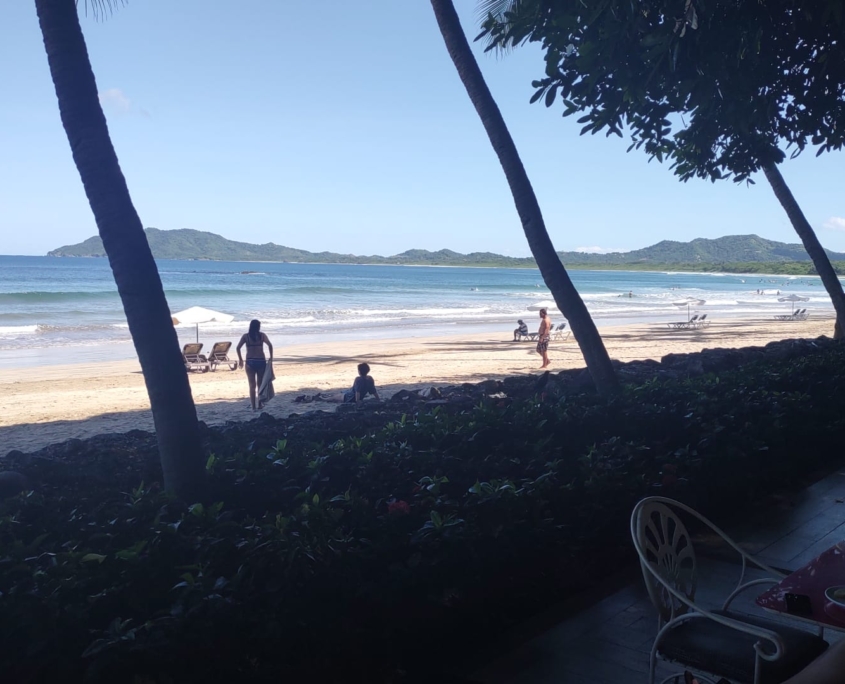
Tamarindo, Guanacaste — where the witness was ultimately located operating a tour and taxi service in the Huacas area.
A U.S. defense attorney engaged Cody L. Gear and Associates to locate a key witness for an ongoing personal injury lawsuit. The witness — a commercial driver who had been named in the police accident report at the center of the litigation — was believed to be living somewhere in Tamarindo, on Costa Rica's northern Pacific coast. The plaintiff in the case had allegedly struck him, and his firsthand account of the incident was essential to the defense. Without him, the defense was building its case around an incomplete record. Finding him was the first problem. Getting him on the record was the second.
Why This Required a Costa Rica Investigator
Tamarindo is not a place you locate someone from a desk in the United States. It is a mid-size beach town in the Guanacaste province with a transient population, no standardized street addressing system, and a commercial corridor built around tourism — surf shops, restaurants, tour operators, and a steady flow of people moving in and out of the area seasonally. The witness had a minimal digital footprint, sparse public records, and a pattern of movement throughout Costa Rica that made conventional tracking methods ineffective.
What this assignment required was direct ground presence, established local contacts, and the investigative methodology developed over 27 years of working in Costa Rica — including the Registro Nacional, Costa Rica's national registry, which provides the foundational records layer for any serious locate investigation in the country. We knew the territory. We knew where to look and who to ask. We took the case.
"Tamarindo has no street numbers and a population that moves with the seasons. Finding someone there is not a database exercise — it is fieldwork, built on local relationships and the patience to follow each thread until it connects to the next one."
Investigation Approach
The investigation opened with the last known locality tied to the witness — the Tamarindo area — and worked outward from there. Knowing that formal address systems are largely absent in this part of Guanacaste, the strategy centered on neighborhood-level canvassing, community intelligence, and cross-referencing whatever documentary trails were available through business licensing and regulatory records.
We activated established contacts in the Tamarindo corridor to gather ground-level intelligence on the witness's current whereabouts and daily patterns. In a community built around tourism and small business, the right conversations produce information that no public record can.
Investigators canvassed Tamarindo and surrounding roads, identifying visual markers and community cues that narrowed the search zone progressively. Discreet neighborhood inquiries with local residents provided additional confirmation at each stage.
Regulatory checks and business license validation confirmed that the witness was operating a taxi and tour guide service from a fixed location — a detail that both anchored his residential location and explained the pattern of absence during working hours that had complicated earlier efforts to find him.
As new information surfaced through each stage of the investigation, we adjusted our approach accordingly. Locate investigations rarely follow a straight line — the discipline is in reading what each lead actually tells you and being willing to redirect when the evidence points somewhere you didn't expect.
Key Findings
Confirmed residence: Huacas, Tamarindo, Guanacaste Province, Costa Rica. No official street number — consistent with addressing norms throughout rural Guanacaste.
Business activity confirmed: The witness operates a taxi and tour guide service from the same address, with regular absence during daytime working hours accounted for in the operational profile delivered to the attorney.
Location verification method: Field intelligence cross-confirmed against business licensing records. Both the residential and business address independently validated before delivery to the client.
Witness disposition: Cooperative. Upon contact, the witness agreed to participate in a remote deposition, providing the defense with the testimony needed to proceed.
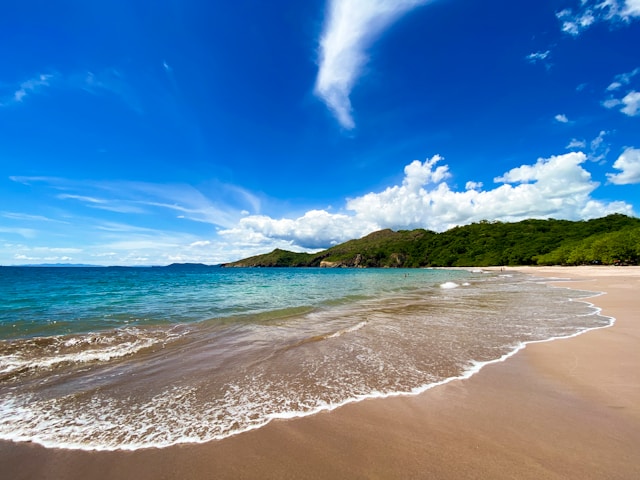
The northern Pacific coast of Guanacaste — the operational area for this witness locate assignment.
Outcome
Cody L. Gear and Associates delivered a verified residential and business location report to the defense attorney, backed by field intelligence and cross-confirmed licensing documentation. The report provided everything needed to proceed — a confirmed address, an operational profile of the witness's daily schedule, and confirmation of his willingness to cooperate with a remote deposition.
For a defense team working an international case from the United States, the alternative to this kind of in-country investigation is building a case around an incomplete record. A witness named in the police report who cannot be found is a gap in the defense — one that opposing counsel will exploit. We closed that gap.
Frequently Asked Questions
Can you locate a witness in Costa Rica even without a street address or digital presence?
Yes — and this is precisely the kind of case that requires on-the-ground presence rather than remote research. Costa Rica's addressing system outside of major cities is informal and landmark-based, which means database searches return little of practical value. The work is done through local networks, community intelligence, field canvassing, and cross-referencing whatever regulatory and business records exist. After 27 years of operations in Costa Rica, that methodology is well established.
Is it legal to conduct a locate investigation in Costa Rica?
Yes. Locate investigations conducted through public records, community inquiry, and field observation are fully lawful in Costa Rica. We operate within Costa Rican law on every engagement, and the evidence and location reports we produce are prepared to the standards required for use in legal proceedings — both in Costa Rica and in U.S. courts when cross-border legal matters are involved.
How do you verify a business or residential address internationally?
Field verification — direct physical confirmation of the location, cross-referenced against available business licensing and regulatory records. We do not consider a location confirmed until it has been independently validated through at least two sources. In this case, the residential address and the business address were both confirmed separately before the report was delivered to the attorney.
Will the witness know they have been investigated?
Not during the investigative phase. All locate work is conducted discreetly, and the witness's location is confirmed before any contact is initiated. Initial contact, when it occurs, is handled professionally and transparently — identifying who we are and the nature of the inquiry. In this case, the witness was cooperative once contact was made, which is the most common outcome when the approach is handled correctly.
Can the information gathered be used in U.S. legal proceedings?
Yes. Location reports produced by Cody L. Gear and Associates are built to evidentiary standards from the outset. I hold a Juris Doctor, have served as a qualified expert witness in civil and criminal court proceedings, and understand precisely what documentation standards U.S. legal proceedings require. If testimony from the investigator is needed, I am available to appear in U.S. proceedings.
Case documented by Cody L. Gear, CFE, JD · Tamarindo, Guanacaste, Costa Rica · March 2025 · Updated April 2026. All identifying details have been modified to protect witness and client confidentiality.
