Tag Archive for: Travel tips

Ensuring Personal Safety and Financial Stability

Planning to live, invest, or build relationships in Costa Rica? Understanding the country’s economic landscape, currency management, real estate market, and cultural dynamics is essential to avoid costly mistakes and enjoy a smooth experience. Hi, my name is Cody Gear and I am a private investigator in Costa Rica. I have been here for over twenty years. I have a law dgree and am a board certified Fraud Examiner. I spent over twenty years in law enforcement and investigated everything from petit theft to homiciddes. Although not all inclusive this guide covers everything you need to know about Costa Rica’s economy, buying property, and navigating personal relationships—all crucial for a successful stay or investment.


Understanding Costa Rica’s Economy: Currency, Banking, and Financial Tips

Costa Rica’s economy offers exciting opportunities but also unique challenges for foreigners. To manage your money effectively and avoid financial pitfalls, start by understanding the local currency and banking system.

Costa Rica Currency: The Colón (CRC)

  • Official currency: Costa Rican Colón (CRC)
  • Current exchange rate: Approximately 1 USD = 510 CRC (subject to fluctuations)
  • Tip: Always check the latest exchange rate before making any currency exchanges or large purchases.

Managing Money in Costa Rica

  • Banks: Use reputable banks like Banco Nacional or Banco de Costa Rica for currency exchange to get fair rates and avoid hidden fees.
  • ATMs: Widely available in urban and tourist areas; however, watch out for withdrawal fees from both your home bank and local institutions. Here most ATM’s charge $4.00 to get cash per trans action and limit withdrWl to $500 per day.
  • Cash vs. Cards: Credit and debit cards are accepted in most cities and tourist hotspots, but carrying some cash is essential for rural areas, markets, and small vendors. It’s always best to have colons as you don’t have to worry about the exchange. The U.S. dollar is accepted everywhere, but they will always give you change in colons.

Buying Property in Costa Rica: Key Insights for Foreign Investors

Investing in Costa Rican real estate can be lucrative, but it requires careful planning and legal guidance.

Do You Need to Be a Resident to Buy Property?

  • No residency required: Foreigners can purchase land and property without being residents.
  • Legal advice: Hire a trusted local real estate attorney to navigate property laws and ensure a secure transaction. The only person that can complete a real estate purchase is a Costa Rica Notary. All Costa Rica Notaries must be licensed Costa Rica attorneys. Not all Costa Rica attorneys are Notaries. Is is absolutely vital that you enlist the services of an attorney who is also a notary. The reason, all real estate transactions must be registere in the Costa Rica National Registry. Only Notaries can get this done.
  • It also worth noting that there is no Governmental oversight on the real estae industry in Costa Rica. Anyone can hang out a shingle and be a real estate salesman. Although some use well known brands, in fact they do not exist in Costa Rica. The sign is for show. No licensining requirement and no recourse if you get scammed. The law in Costa Rica fosters and promotes fraud. That’s why we have such a fraud problem here.
  • Finally the basis of the law here is the Napoleanic Code. In the United states it is the Common Law and although they have similarities the are very different.

Understanding Property Ownership Types

  • Fee Simple: Full ownership with all rights to the property.
  • Concession: Leasehold ownership, often related to beachfront or protected areas, with specific terms and conditions. These are known as concessions and are generally good for 20 years. The risk with a concession is there is no gaurantee the Government will renew and the end of that term.

Popular Locations for Property Investment

  • Central Valley: Includes San José and surrounding areas—ideal for urban living and business.
  • Coastal Regions: Pacific coast (Guanacaste, Nicoya Peninsula) and Caribbean (Puerto Viejo) coast offer beachfront properties and tourism potential.

Closing Costs and Taxes

  • Expect to pay approximately 4-5% of the purchase price in closing costs, including:
    • Legal fees
    • Transfer taxes
    • Notary fees

Navigating Personal Relationships in Costa Rica: Cultural and Legal Considerations

Couple at Jaco Costa Rica

young couple posing at the beach in Costa Rica for a picture

Building personal relationships in Costa Rica can enrich your experience, but it’s important to understand cultural norms and legal implications, especially when it comes to dating, marriage, and financial matters.

The Dating Scene in Costa Rica

  • Costa Ricans, known as “Ticos,” are warm and family-oriented.
  • Respect for family ties is crucial for successful relationships.
  • Be aware of local customs and social expectations to avoid misunderstandings.

Legal Aspects of Marriage and Partnerships

  • Laws regarding property division, divorce, and spousal rights can differ significantly from your home country.
  • Consult a local family law expert before entering into marriage or joint financial agreements.

Risks in Relationships

  • Emotional decisions can impact your financial security.
  • Be cautious with joint investments or property ownership with partners.
  • Understand the legal framework for property settlements in case of separation.

Costa Rica’s Economic Relations and Regional Stability: What Investors Should Know

Costa Rica stands out in Central America for its political stability and diversified economy, but understanding its neighbors helps frame investment risks and opportunities.

Comparing Costa Rica with Belize, Nicaragua, and Panama

Country Economic Strengths Challenges
Costa Rica Stable democracy, ecotourism, tech services Higher living costs
Belize Tourism, agriculture Limited industrial diversification
Nicaragua Agriculture, manufacturing Political instability
Panama Banking, logistics, Panama Canal Competitive but complex market

Investment Opportunities by Country

  • Costa Rica: Medical devices, pharmaceuticals, clean energy, IT sectors.
  • Belize: Agriculture, aquaculture.
  • Nicaragua: Manufacturing with low labor costs (higher political risk).
  • Panama: Financial services, logistics, favorable tax environment.

Final Tips: How to Avoid Nightmares When Living or Investing in Costa Rica

  • Stay updated on currency exchange rates and banking fees.
  • Always use professional legal services when buying property.
  • Understand local customs and laws before entering personal or financial partnerships.
  • Research regional economic trends and political stability before investing.

By arming yourself with knowledge and local expertise, you can avoid common pitfalls and fully enjoy the abundant opportunities Costa Rica offers.


Background checks in San Jose, Costa Rica, serve as a critical tool for individuals and organizations aiming to ensure safety and security in their personal and professional endeavors. Vital to hiring practices and residency applications, these checks help verify identities and screen for criminal histories. In Costa Rica, the legalities concerning background checks are stringent, with specific emphasis on consent and data protection laws, ensuring that such processes are conducted with due respect for privacy.

A bustling city street in San Jose, Costa Rica, with people lining up outside a government building for background checks. The sun is shining, and colorful buildings line the street

Whether you are checking a potential business associate or your Costa Rica girlfriend, keep in mind conducting a background check in Costa Rica, one must navigate a variety of documentation and adhere to the procedures outlined by the Costa Rican authorities. From criminal records provided by the Registro Judicial to the detailed checks related to employment history and credit reports, every check is governed by clear protocols. Understanding the types and procedures of these checks and the documentation involved is essential for compliance and for utilizing these checks effectively.

Observations

Background checks are essential for verifying identity and maintaining security in San Jose, Costa Rica.

Legal compliance with Costa Rican data protection laws and consent requirements is crucial.

A comprehensive check may include criminal records, employment history, and additional verification.

Legal Framework for Background Checks in Costa Rica
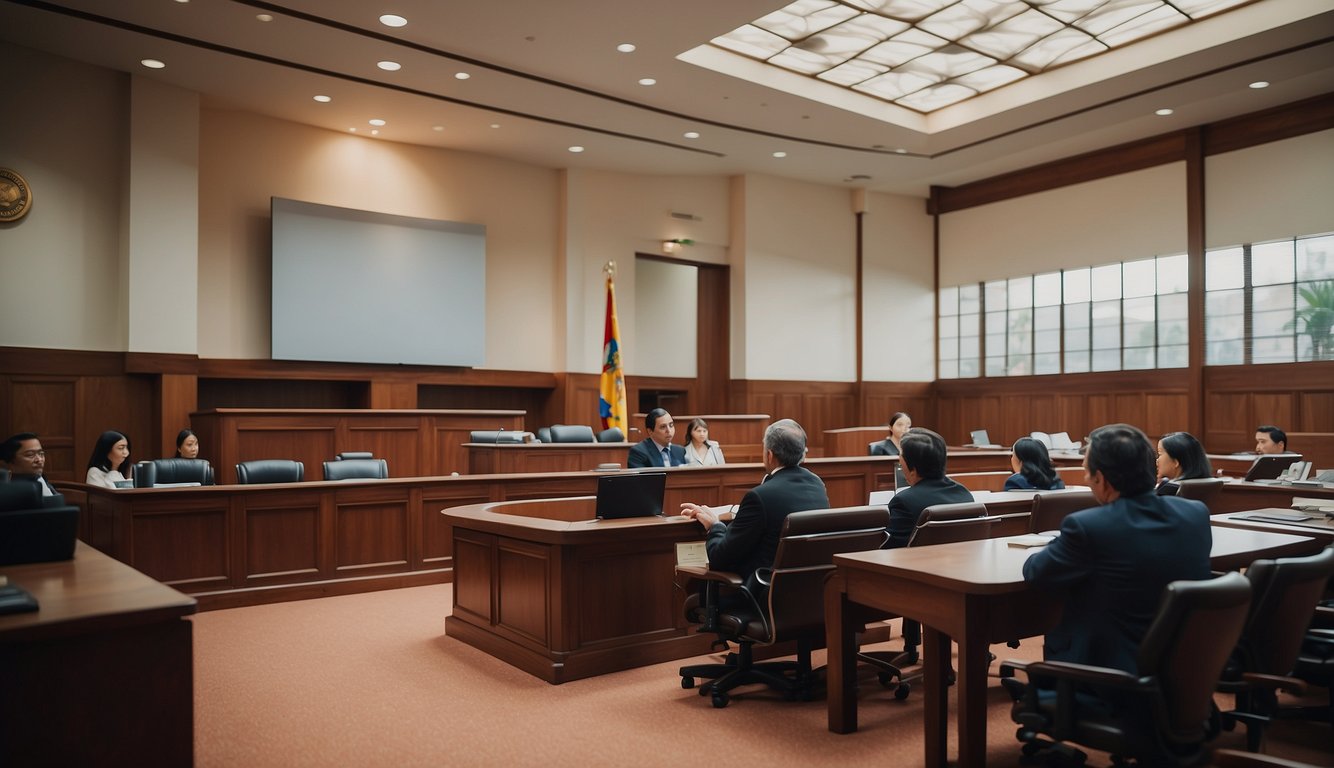
A courtroom in Costa Rica with legal documents and judges presiding over background check regulations in San Jose

In Costa Rica, the legal requirements for background checks are defined by local legislation and influenced by international protocols. Understanding these frameworks ensures your background check process complies with legal standards.

Local Laws and Regulations

Costa Rica mandates strict adherence to privacy laws when you conduct background checks. Data Privacy and Protection are crucial, and you are required to obtain explicit consent from the individual before performing any checks. The types of background checks you can perform include:

  • Criminal Records: Accessible through official channels with the subject’s consent.
  • Credit Reports: Requires consent and is subject to financial privacy laws.
  • Employment History and Education Verification: Must comply with data protection laws.
  • Driving Records and Government ID Checks: Both are also governed by privacy regulations.

International Agreements and Apostilles

If you’re dealing with international background checks, e.g., for United States citizens looking to reside in Costa Rica, you’ll need to understand the process of authentication. Documents from countries like the United States and United Kingdom often require an Apostille to certify their legitimacy. This is a form of Authentication or Legalization that confirms the document is valid and can be recognized in Costa Rica.

For U.S. citizens, an Identity History Summary—often referred to as a criminal history record—provided by the Federal Bureau of Investigation (FBI) may be necessary. This Summary should be apostilled in the United States before it’s presented in Costa Rica.

Keep in mind that Apostilles are part of the Hague Convention, to which both the United States and Costa Rica are signatories. Thus, documents issued in one signatory country and duly apostilled are accepted in another without further authentication.

Types and Procedures of Background Checks

A desk with a computer, files, and a phone. A person conducting background checks in an office in San Jose, Costa Rica

In San Jose, Costa Rica, ensuring that background checks are thorough and in compliance with local laws is crucial for the integrity of the screening process.

Criminal Records and Police Clearance

When you’re seeking to obtain criminal records or a police clearance in San Jose, you’ll begin by interacting with the Criminal Justice Information Services (CJIS). Here’s a step-by-step process:

  1. Submit a Formal Request: You need to request a police clearance certificate, also known as a Criminal Background History Certification, from the Costa Rica Police Clearance authorities.
  2. Provide Necessary Identification: Have your personal identification documents ready; this typically includes a government-issued ID or passport.
  3. Complete an Identity History Summary Check (IHSC): You may be asked to complete an IHSC application form.
  4. Choose Processing Channels: Submission can typically be done via mail or through electronic channels, if available.
  5. Follow-up: After submission, keep track of the progress and respond promptly to any inquiries.

It’s important to note that your criminal history will be thoroughly reviewed through the channels of the Costa Rican judicial system.

Employment and Credit History Verification

Your employment and credit history also play a critical role in a comprehensive background check.

  • Employment History Verification
    • Directly contact past employers. Obtain confirmation of positions held and dates of employment.
    • Request employment verification letters where possible, which should ideally include the employer’s contact information and a signature for authenticity.
  • Credit History Verification
    • Secure your consent. Written permission is often required due to privacy laws before a credit report can be accessed.
    • Obtain credit reports from authorized financial entities which detail your financial responsibility and credit standing.

Remember, when verifying employment and credit history in San Jose, accuracy and adherence to data protection laws are paramount to maintaining trust and legality throughout the process.

Requirements and Documentation

A desk with a computer, files, and a document titled "Background Checks in San Jose, Costa Rica" with a magnifying glass on top

When applying for a background check in San Jose, Costa Rica, you should prepare a set of specific documents that verify your identity and residency status. Ensure these are complete and properly authenticated to facilitate a smooth process.

Identification and Residency Documents

For a background check in Costa Rica, your primary identification document is a valid passport. You will need to present a certified copy of your passport, which can usually be obtained from your country’s embassy or consulate in Costa Rica. Additionally, if you are a citizen or a legal resident, your national identification number is essential.

If you are applying for residency, it is required to provide evidence of that status. You may need to present your Residency Application along with any State-issued identification documents. It is crucial that all documents prove your identity clearly and are considered valid within the country.

  • Passport: A certified copy of your valid passport.
  • National Identification Number: Your ID number if you’re a citizen or resident.
  • Residency Application: Documentation related to your residency status in Costa Rica.

Certifications and Translations

In Costa Rica, all foreign documents must be apostilled or authenticated if originating from a country that is a member of the Hague Apostille Convention. This serves as proof that your documents are legitimate and recognized internationally. You can typically mail your documents to the appropriate authority in your home country for this service.

Once authenticated, your documents may need to be translated into Spanish. Be sure to enlist services of a certified translator because official processes in Costa Rica require that all documents are presented in Spanish. Documents such as the Identity History Summary must be accurately translated and certified.

  • Apostilled Documents: Ensure your documents are authenticated.
  • Translation: All documents must be translated into Spanish by a certified translator.
  • Authentication: Certify the accuracy of translations and authenticate the correctness of each document.

This precise documentation will support the validity of your background check application and ensure that the process proceeds without unnecessary delays.

Implications and Use Cases for Background Checks

A bustling city street in San Jose, Costa Rica, with people and businesses in the background. Signs for background check services are visible

Background checks serve as essential tools for verifying the credibility and history of individuals in various circumstances, especially in matters of employment and immigration.

Employment and Immigration Considerations

Your hiring decisions in San Jose, Costa Rica, are greatly influenced by thorough employment verification processes. Employment verification typically involves assessing a candidate’s employment history, education degree verification, and checking references. In addition, you might require criminal records and credit reports to ensure the integrity and reliability of potential employees.

  • A typical employment background check in Costa Rica includes:
    • Criminal records
    • Civil records
    • Employment history
    • Reference checks
    • Education degree verification
    • Credit reports
    • Driving records
    • Government ID checks

Citizens or foreign nationals seeking employment in Costa Rica must comply with data privacy laws and provide consent for these background checks. Verification of fingerprints may also be necessary, especially with positions requiring high security.

Legal Residency and Personal Security

For matters of immigration, background checks, including the FBI Criminal Background Check, play a crucial role. When you apply for temporary residency or aim to become a legal resident in a foreign country like Costa Rica, presenting a national background check from your country of origin is required. This measure ensures your safety and the security of the country.

  • To obtain residency in Costa Rica, you must:
    • Complete an Applicant Information Form.
    • Provide fingerprints for an FBI background check (for U.S. nationals).
    • Submit the necessary documents directly to the FBI or through authorized channels like Outlier Legal Services.
    • Wait for the background check to be processed, which can take a few days to several weeks, depending on the method chosen.

These checks are not only integral to the immigration process but also to maintaining the security and safety of residents within Costa Rica’s borders.

Privacy and Accuracy in Background Reporting

A serene office setting with a computer screen displaying accurate background information. A privacy shield ensures confidentiality

When conducting background checks in San Jose, Costa Rica, you must balance the meticulous protection of personal data with the critical need for accuracy and reliability of the information gathered.

Protection of Personal Data

In Costa Rica, privacy laws safeguard your personal information. Personal data, especially sensitive personal data, must be handled with strict confidentiality. Under these laws, your identity, as well as any information regarding your criminal history, is protected. Organizations conducting background checks should obtain written consent from you before accessing or sharing your personal data. Ensure that the firm you choose complies with Costa Rica’s data privacy regulations to prevent the misuse of your personal information.

  • Written Consent: Always provided before a background check
  • Privacy Laws Compliance: Mandatory for all organizations
  • Sensitive Data: Includes but not limited to:
    • Criminal history
    • Identity history summary

Ensuring Accuracy and Reliability

Accuracy and reliability are paramount when your criminal history and identity history summary are assessed. In compliance with the Criminal Justice Information Services (CJIS) standards, background reports should accurately reflect your past interactions with the law, confining to factual and relevant information without including prior arrest data not leading to convictions. These measures ensure that hiring decisions are made based on precise and current data. Reliable background reporting hinges on:

  • CJIS Standards: Ensure the reports meet national standards.
  • Accuracy in Reporting: Limiting to convictions and relevant legal interactions.
  • Reliability: Confirmation that the provided information is up-to-date and verifiable.

Employers are expected to review background checks judiciously and weigh their findings in light of their relevance to job requirements.

Frequently Asked Questions

A bustling office in San Jose, Costa Rica, with people lining up to inquire about background checks. The room is filled with the sound of chatter and the clicking of keyboards as employees work diligently to assist customers

Navigating the complexities of background checks in San Jose, Costa Rica, can raise several questions regarding legality, cost, and process. This section provides clear-cut answers to some of your most pressing queries.

What are the legal requirements for conducting background checks in Costa Rica?

In Costa Rica, the legal framework for background checks requires consent from the individual being checked. You must adhere to data privacy laws that protect personal information. It is essential to understand what types of checks are permitted, including but not limited to criminal and employment history verifications.

How can I obtain a free background check in San Jose, Costa Rica?

Free background checks are not typical in Costa Rica. However, individuals can request their own criminal record checks from the Ministry of Justice and Peace at no cost. If you require more detailed background information, there may be fees associated with third-party services or government agencies.

Which agencies offer the most comprehensive background checks in Costa Rica?

Various agencies offer background checks, with some providing more in-depth services than others. To ensure a comprehensive background check in Costa Rica, consider agencies that specialize in this area or have a track record of thorough research, such as Cody L Gear and Associates or CID Legal.

What is the process for obtaining an FBI background check for U.S. citizens living in Costa Rica?

If you’re a U.S. citizen in Costa Rica and need an FBI background check, you can start by submitting a request to the FBI CJIS Division. You will mail in a signed applicant information form, a fingerprint card, and a payment of $18 U.S. dollars per person. The processing typically takes several weeks.

Are there restrictions for foreigners with criminal records entering Costa Rica?

Foreigners with criminal records may face restrictions when entering Costa Rica. Entry is determined on a case-by-case basis, considering the severity and recency of the criminal record. Relevant authorities assess whether an individual’s past behavior could pose a threat to the country’s security or citizens.


Kim ParisFirst and foremost, remember, missing person investigations can be emotionally charged, complex, and sensitive. Missing persons in Costa Rica can be especially challenging. Always prioritize the well-being of the missing person and their loved ones, and maintain a strong commitment to ethical and legal practices throughout the process.

Locating foreign nationals who have gone missing in Costa Rica can be both, a challenging and sensitive task. Here’s our step-by-step approach to conducting a missing person investigation for foreign nationals in Costa Rica, while considering confidentiality and admissibility in U.S. courts:

Initial Assessment:

Gather all available information about the missing person, such as personal details, last known whereabouts, contacts, and circumstances of their disappearance. Also, establish contact with their friends, family, and acquaintances to gain insights into their activities and potential reasons for the disappearance.

Legal and Ethical Considerations:

Understand and adhere to both Costa Rican and U.S. laws and regulations regarding missing person investigations, privacy rights, and surveillance. Work with legal experts who are familiar with both jurisdictions to ensure your actions are within the boundaries of the law.

Working with Local Authorities:

Establish contact with local law enforcement agencies in Costa Rica to report the missing person and seek their assistance. Collaborate closely with them and provide any relevant information that might aid in the investigation.

Engage Local Resources:

Utilize local contacts, investigators, and translators to navigate language barriers and cultural differences effectively. Local expertise can be invaluable in understanding local customs, and laws, and gathering accurate information.

Surveillance and Investigation:

Conduct discreet surveillance in accordance with Costa Rican laws to gather information about the missing person’s movements and potential whereabouts. This may involve visiting locations they were last seen, talking to witnesses, and utilizing technology for tracking.

Digital Footprint Analysis:

Analyze the missing person’s digital footprint, including social media accounts, emails, and online activity. This could provide insights into their state of mind, recent interactions, and potential clues about their location.

Engage Private Investigator Expertise:

Consider hiring a licensed private investigator in Costa Rica who specializes in missing person cases. They can provide valuable insights and have local connections that can facilitate the search.

Family Liaison and Support:

Maintain open communication with the missing person’s family, keeping them updated on the progress of the investigation. Provide emotional support and reassurance during what can be a difficult and stressful time.

Documentation and Evidence Preservation:

Carefully document all findings, interactions, and evidence gathered during the investigation. Ensure that evidence is collected legally, ethically, and in a way that maintains its admissibility in U.S. courts if needed.

Admissibility in U.S. Courts:

Keep thorough records of the investigation process, including the methods used, evidence collected, and any local authorities involved. This documentation can be crucial if the case eventually involves legal proceedings in U.S. courts.

Privacy and Confidentiality:

Protect the privacy of both the missing person and any individuals encountered during the investigation. Avoid disclosing sensitive information unless necessary for the investigation or required by law.


If you are separated from a loved one or they go missing in Costa Rica, it can be a distressing situation. Here are some immediate steps you should take:

Don’t panic, stay calm and gather information: Take a deep breath and try to remain composed. Collect as much information as possible about the circumstances of the separation or disappearance. Note (write it down) the time, location, and any relevant details that can assist authorities in their search. Try and visualize the missing person to help you recall what they were wearing. If they have a cell phone write down the number.

Contact the local authorities:

Immediately notify the local police or the Judicial Investigation Organization (OIJ) about the situation. Provide them with all the information you have gathered. OIJ is experienced in handling missing person cases and can initiate an official investigation.

Reach out to the nearest embassy or consulate:

Contact your country’s embassy or consulate in Costa Rica. You should not be surprised or disappointed if their response is less than enthusiastic. You should also be aware to that the missing person should be reported to the authorities in the U.S. if American. They can provide guidance, support, and assistance during the search process. Provide them with all the necessary details and follow their instructions.

Inform friends, family, and your hotel:

Notify your friends, family members, or anyone else who might be able to help or offer support to someone missing in Costa Rica. Share all the relevant information with them. Also, inform your hotel or accommodation staff about the situation, as they may be able to give assistance or valuable information. Don’t expect a great response from local citizens, unlike the States, “tico’s” are too busy trying to put food on the table.

Utilize social media and local networks:

Share information about the missing person on social media platforms, local community groups, and forums. This can help spread the word and reach a wider audience, increasing the chances of locating your loved one.

Maintain open communication:

Stay in regular contact with the local authorities, your embassy, and any individuals involved in the search. Provide them with any additional information or updates that may arise during the process.

Remember, time is crucial in such situations, so it’s important to act swiftly and cooperate fully with the authorities. They will guide you through the necessary steps to help locate your loved one.

The newly approved Law 9996, aimed at attracting investors, rentiers, and pensioners, has now taken effect. The new import law for residents grants added benefits to new residency applicants in three categories: retirees, renters, and investors. These benefits are applicable to individuals who apply for residency within the first five years of the law’s validity (2023) and will remain in effect for ten years after approval. I receive many inquiries regarding the importation of personal belongings from the United States.

Here is a summary of the new import law

Our legal department at Cody L Gear and Associates in Escazu has reviewed and prepared this summary.

Household Goods:

Importing household goods, including new and used appliances, furniture, decorative items, and more, is now exempt from one-time taxes. Thus, it is important to understand that the law allows for reasonable quantities, and you cannot bring half of Walmart with you. (Ref: “Decree N° 43926 -MGP-H-TUR, the regulation of Law 9996, March 2023”)

Vehicle Imports:

Individuals can import up to two vehicles for personal or family use without paying import tax, customs fees, or value-added taxes. This exemption applies to land, maritime, and air transport. If someone steals or destroys your vehicle, you can import a replacement vehicle with the same exemptions. (Ref: “Decree N° 43926 -MGP-H-TUR, the regulation of Law 9996, March 2023”)

Income Tax:

The law waives the income tax related to obtaining migratory status, but it subjects income derived from investments within the national territory to income tax. (Note: Further details about the tax reduction of property acquired during the law’s validity are available. Also, equipment or materials for professional or scientific use are exempt from taxes.

Additionally, the law specifies that beneficiaries of immigration status as investors, residents, and retirees will not automatically become tax residents.

In the investor category, the law has reduced the required investment amount from $200,000 USD to $150,000 USD. Individuals can make investments by acquiring assets, shares, securities, or projects of national interest. Moreover, this category also includes consideration for venture capital and sustainable tourism infrastructure investments.

Residents applying for residency in Costa Rica can import a maximum of two vehicles for personal or family purposes, free from import tax, customs fees, and value-added taxes. If a vehicle is stolen or destroyed, a replacement vehicle can be imported with the same exemptions.

These exemptions remain valid for ten years, expiring in July 2031.

To apply for import duty exemptions on vehicles or household goods, the following steps must be taken:

Present your Costa Rica DIMEX card as proof of resident status (retiree, renter, or investor).

Deposit your vehicle at a customs warehouse.

Apply for exemption from the Treasury Department (Ministerio de Hacienda) through their website, EXONET.

You will also need to provide:

A digital signature.

You need certification of being up to date with Caja payments.

Also, a certificate of no outstanding taxes, corporation fees, or property taxes.

Finally, you will need certification of shares owned in the corporation responsible for importing the vehicle and/or goods.

A sworn and notarized statement from each qualified family member (spouse and/or adult single children under 25) confirming they will not request exoneration separately.

The bill of lading and a copy of the vehicle’s title.

The customs value of the vehicle.

Obtaining these certifications takes time and may incur several hundred dollars in lawyer fees.

Once all documents are uploaded to the EXONET website, the Treasury Department has sixty days to approve or deny the application. Approval is based on the economic income declared during the residency application process, considering whether the requested exonerations are within the means of the applicant’s monthly income.

For more assistance contact us at info@codylgearandassociates.com


Local Costa Rica Private Investigator

Cody L Gear and Associates is a Costa Rica private investigation company. We have a network that reaches every Latin and South American country. Our group of network licensed investigators includes professionals who are familiar with Costa Rica, its culture, and its geography. They also  have many contacts who prove valuable for conducting investigations Costa Rica. Our private investigators are highly trained professionals with years of experience and training. All of our investigations are discreet and confidential.

Costa Rica Private Investigator

Cody L Gear and Associates in Costa Rica is a private investigation agency run from our corporate headquarters in San Jose, Costa Rica. Costa Rica private investigators are not regulated by any government body. There is no requirement for licensure. Therefore, you have to exercise caution in selecting a private investigator. Many con artists and scammers will pose as investigators to steal your money or vital information.

With our firm you can rest assured that your investigator is experienced and reputable. Our investigators are often licensed in many jurisdictions within the continental United States. Some that are from countries abroad have licenses. Whether you are a resident of Costa Rica in need of an investigation or somewhere else, we are here to help. If you are a citizen of another country and you believe your investigation will lead you to Costa Rica, we can help.

Private Investigators in Costa Rica

Costa Rica reports a population of approximately 5 million people, and its official language is Spanish. The country is bordered by Nicaragua on the north and Panama on the south. Costa Rica is surrounded by the Pacific and the Caribbean Sea. The primary export is coffee, its government and economy have proven to be consistently stable. More stable  than nearly every other Latin American country over the past several years.

In large part this is because Costa Rica has no military. There has not been any noteworthy political turmoil. Since the early 1940’s, following an open rebellion that The Government abolished the standing army and made Costa Rica a democracy. Despite political stability, however, Costa Rica js a developing country, and poverty levels remains fairly high. This is evidenced by a high crime rate particularly in property theft. Such crimes , particularly homicide and “smash and grab” type crimes appear the to be the most prevalent. The most prolific criminal enterprise in the country is its narcotics trade, specifically cocaine.ica is

Costa Rica Private Investigator Restrictions

Conducting private investigations in Costa Rica, all private investigators must comply with local and Costa Rica federal laws.

  • Performing Investigations in Costa Rica – In order to work in Costa Rica, the investigator must possess proof of permanent residency. Possess written authorization from the government or be a citizen of Costa Rica. Websites that hold themselves out to have their network of investigators in Costa Rica is misleading. 
  • Impersonate Law Enforcement – Private Investigators in Costa Rica cannot carry a badge, carry a firearm, wear a uniform. They can’t say anything that might imply that the private investigator is a police officer or an agent of the Costa Rica Government.
  • Make an Arrest – Private Investigators in Costa Rica cannot legally make an arrest. If there is evidence that requires an arrest should be made, the investigator should contact law enforcement.
  • Wiretapping – Wiretapping is illegal, the law in Costa Rica parallels that of most jurisdictions in the United states. Private Investigators cannot tap a phone. They cannot place GPS monitors on cars or use devices which reveals the location of a person.
  • Trespassing – Private Investigators cannot break and enter onto private property.

Locating a Missing Person in Costa Rica

Are you attempting to locate a missing person you believe to be somewhere in Costa Rica? Are you located in Costa Rica but are trying to locate someone outside of Costa Rica? Locating a missing person is not easy, especially when the police are often limited on available time/resources they can dedicate towards a missing person investigation. If you need help locating a missing person in Costa Rica and feel there is no one that can help you then contact our agency. We have been providing locate missing person investigations throughout the Latin and South America since 1990.

Learn more about Locating a missing person in Costa Rica and see how our trained private investigators can help you solve your missing person investigation.

Costa Rica Criminal Background Check

Do you need a Costa Rica criminal background investigation on someone? Outside of Costa Rica and need someone to provide you a local criminal background check? First and foremost, obtaining criminal records here can only be done through the courts. Anyone advertising criminal checks without an attorney is just plain being dishonest.

Background investigations are extremely useful and can provide someone with a lot of detailed information about their personal history. Don’t get involved with someone who may not be a good person to get into a relationship with. Learn more about Costa Rica Background Checks by contacting us today. One of our experienced private investigators will help you determine the best avenue to obtain the information you seek.

Cheating Spouse Investigation in Costa Rica

Has a loved one aroused your suspicion about infidelity when they are in Costa Rica? Are you located outside Costa Rica but believe your spouse is cheating on you when traveling here? There are many reasons as to why someone may think their spouse is cheating, but don’t let mixed emotions cause you to make uninformed decisions.

Before figuring out what to do next, take some steps to learn the facts. We have been providing cheating spouse investigation services in Costa Rica and around throughout the Americas since 1990. Learn more about how we can help you with your investigation by contacting us and speaking with a case agent. Our investigators will help create a unique action plan to help give you the piece of mind you deserve. Don’t accept the idea you cannot or the investigation company you are communicating will not identify the investigator and allow you to converse with them.

Travelling to Costa Rica?

Each year we have a number of people who come to Costa Rica without talking with someone about their trip. I am not talking about a family member or a travel agent, I am talking about boots on the ground, living here and understanding the potential and real challenges you may face while travelling to Costa Rica.

First and foremost is the requisite documentation you will need to enter the country. Coming to Costa Rica can try your patience when meeting requirements set by the government. Since most of our guest come from the U.S. these requirements seem redundant and unnecessary. We are offering a review of your itinerary that will assist you in avoiding some of the pitfalls you will face when you visit here.

Documents You Need

The Costa Rica Government requires all visitors to complete a health questionnaire. Recently, the Government has rescinded the proof of private insurance for all visitors who are vaccinated. If you have not been vaccinated, then you will have to show proof of private insurance covering the time you are here. Also, you will have to financial resources to cover any quarantine that may result from getting Covid-19. Additionally, you need to be prepared to take a Covid-19 test no more than three days before your departure.

Services we Provide

Since these new regulations have come to exist it is important you are aware of the problems you may encounter. Everything from car rentals to hotels. Since we are here and are very familiar with all parts of Costa Rica and have handled numerous cases involving such problems, we invite you to contact us and let us look over your itinerary and evaluate possible areas of concern. The earlier yo do this the better chance we have in spotting potential and real problems that if addressed ahead of time will save you money, time and headaches.

What you need to know:

Costa Rica is once again slowly but surely returning to some sort of normalcy. It would be helpful to outline some of the new regulations after relaxing pandemic rules in Costa Rica, First and foremost is the safety of all. You cannot enter a business without washing your hands and wearing a mask. So, it is not optional and you can face criminal charges if you don’t. But most businesses and restaurants have installed wash basins outside their businesses.
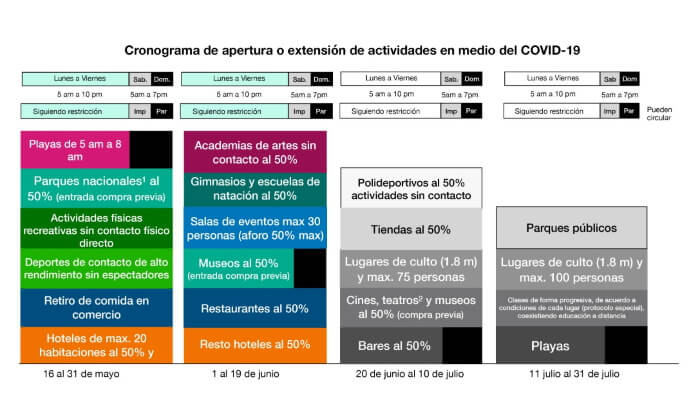
Restaurants and bars are restricted to capacity and activities. So don ‘t think it has returned to the point where the favorite watering hole will be slammed. Likewise, restaurants are limited to capacity and hours of operation. So, a word to the wise, before you go call and make a reservation. If you don’t you may wound up at McDonalds.


Some of the New Regulations after Relaxing Pandemic rules in Costa Rica

As you might be able to interpolate, you can see the easing of restrictions as they apply to specific dates. So a word to the wise would tell you that if you have plans to go to a restaurant, call first and make a reservation.

Vehicle Restrictions

“To restrict the movement of people”, driving restrictions have been put into place. The new Regulations after Relaxing Pandemic, vehicles can only circulate between the hours of 5:00 a.m. and 11:00 p.m. all week long. These times correspond with the hours that most businesses are allowed to be open.

Previously, driving on certain days was also restricted, based on your license plate number. But as of March 1, 2021 all license plate restrictions have been lifted. All cars can now circulate everyday, except in downtown San Jose (for traffic control purposes). See this chart for San Jose restrictions.

Note: Tourism related vehicles (e.g. shuttle vans/tour vans) as well as rental cars are exempt from the driving restrictions. If you need to drive outside the allowed hours or within the San Jose downtown area (e.g you need to catch an early morning flight or are staying at a hotel in San Jose), you should be fine if you present your plane ticket/hotel reservation to the traffic police.” These restrictions are being enforce by the Transit Police and the number of cars they have seized is enormous.

Our team of professionals are at your disposal for any questions or guidance with regard to these new rules. Don’t hesitate to call us for the “skinny”.


Costa Rica Recent Changes

Many of the phone calls I am getting now have one overriding theme. In my absence what has happened in Costa Rica? Certainly if you have an interest in Costa Rica you have probably have read things that have occurred and the Government response. Many have a loved ones here and due to the distance and travel restrictions have endured months of no physical contact. The changes have had minimal impact currently. Everything seems to be headed back to normalcy. But knowing the government past actions nothing is certain.

Other things affected by the

Others have real property here and have had to rely on other people to oversee and protect their property during their absence. What has happened in Costa Rica as a result of this long term shutdown, will take years to analyze. Others need to check on their tax status as there have been changes in the law that affect them. Whatever the case may be, it will be in your interest to consider the things we know.

The most common inquiry we get is about personal relationships that have been separated for a long time. Since the pandemic, travel has been severely hindered, making it impossible to visit Costa Rica. But, before we get into that, there are some things you need to know prior to coming. Currently the country is in turmoil due to the government passing new taxes. This has resulted in major civil unrest and protest. Tico’s protest by blocking traffic, so when you arrive and are stuck in traffic for hours this is the reason. For the most part it has been relatively docile.

However, there have been more instances of violence, especially in more impoverished areas of San Jose. Prudence would be learning the situation in the area you are attempting to visit. If your girlfriend lives in Desamparadas for example, you may want to meet her elsewhere until the civil unrest diminishes or subsides.

How about my Costa Rica Girlfriend

Now for your girlfriend. Many of the women who have been impacted by this pandemic are trying to survive. Unlike the United States, the government here has done nothing as far as pandemic relief for its people. Most are without jobs and are barely making it, Currently Costa Rica has the highest level of poverty in their history. This make people who are desperate for money do things that they may not have done in the past. For the most part they have done without since the pandemic began.

Don’t be surprised that your special friend is, for all practical purposes, destitute. They need basics and have suffered for a long time. Using good judgment and evaluating the situation will help you help them the most. As far as their activities during this time being openly and freely discussed. I doubt seriously that you will learn much. During the “shutdown” almost all of the watering holes and beaches have been closed. Travel was restricted to specific hours and strictly enforced. Most night time travel was banned.

Viewing the economic circumstances as objectively as I can, I don’t expect the country will recover any time soon. It may take years to get back to a “normal” level. Given the government’s lack of preparation and willingness to help it’s people it may never recover.


What I need yo know about Costa Rica private detectives

For many who are searching Costa Rica private detectives the first time, you don’t know where to turn. I am here to help you find who is best for your particular situation. As a result, the following questions should be asked of any prospective PI. Bear in mind that you need to retain someone who you feel comfortable with.

There are many who are listed on a google search representing they are in Costa Rica, when in fact they are not. I know factually they may not be legally able to work in Costa Rica as the law here requires that you have permission from the government.

Where is your office located?

This is the first question you should ask, if you don’t already know, is where the detective’s office is located. I know doe a fact many that are on the web are not located in Costa Rica. Professional private investigators have an office and do not work from their homes. It also verifies that they are actually in Costa Rica. Ask them if they can legally work in Costa Rica? If they can’t provide you with a “cedula juridica” (Costa Rica business/corporate I.D.) or a “cedula persona” (Costa Rica identification), then they are providing services here in violation of the law.

Who will handle my case?

This question needs to be asked if you hire a private investigation firm with one investigator. If they represent they have other investigators you need to know who they are and if they can legally work in Costa Rica. You will want to know and be guaranteed you will have a good investigator assigned to your case. If the private detective responds by saying that he has agents in Costa Rica, request their names and their Costa Rica identification (either personal or business as mentioned above). If they won’t or can’t, find one that can.

What are your background, experience, and areas of specialization?

Once you know that they are actually in Costa Rica ask them about their background and experience, particularly with your case type and situation. What service can they offer you? Have they dealt with similar investigations before? Do they specialize in cases such as yours? What do they plan to do?

What professional organizations do you belong to?

Most professional private investigators belong to professional investigator associations of one kind or another. These associations – to become a member – require some proof of license, training and experience of the investigator. You can usually check online with the association the investigator says they belong to; they usually have a directory of members.

Can you provide references?

Ask the private investigator for references of at least two people or companies they have provided services for. It can be a lawyer, business owner, or another private investigator who has used them in the past.

Will my case be treated confidentially and how do you ensure that?

Most are nervous about hiring a private investigator and this question goes without saying. Most private investigators guarantee case confidentiality but maybe a good question to ask is how they can guarantee it. Remember though there could be special situations where the investigator is bound by law to reveal details of your case, such as a judge or court instruction. So nothing is 100% guaranteed.

Will the person I am investigating find out or be notified?

This also comes down to confidentiality. When you hire a private investigator they are acting under your instruction and if you don’t want the person to know they are under investigation the private investigator you’ve hired will try and keep it as low-key as possible.
Depending on what you hire the investigator for will determine if the person being investigated needs be notified or not. If you are getting a private investigator background check on an employee, then the employee will need to be notified

Do you have male and female investigators?

If you want a male or female private investigator, then ask. Only large private investigation companies will employ both male and female investigators where you can choose, otherwise you will need to specifically search for a sole investigator of the sex type you require.

Can you or the investigator assigned to my case work with my lawyer?

If you have a lawyer asking you hire a private investigator, ask if they can recommend one. Otherwise, when you begin looking to retain a private investigator, ask them if they will work with your attorney. They should agree, but if not, keep looking. You can also ask your attorney to assist you when retaining a private investigator. One thing I know is absolutely essential is the PI’s ability to travel to the United States to testify. I know from my time at law school that all photographs and videos must be authenticated. If they can’t the evidence you have will not be admitted.

How will we contact each other during the investigation?

This is important particularly if you live in another country. Although communications can be a challenge in third world countries, there should be a way to keep you informed as the case progresses.

How will I be updated on my case?

Request that the private investigator to keep you updated on progress. It may be a daily email report, telephone call, or a weekly report if the case is large and complex. Decide how and in what form you want to be kept up-to-date.

Do you use illegal or unethical means of investigating or obtaining information?

This question needs to be asked, if anything, to protect yourself. Most investigators are decent but there are a few bad apples as in any profession. Evaluate what their response is.

Can you be a witness in court in the USA if needed?

The rules of procedure used by every court in the U.S., requires testimony from direct witnesses in order to overcome a hearsay objection.  Professional private investigators should expect to and are experienced in court hearings as professional witnesses. However, if the private investigator is not a U.S. citizen or does not have a visa to come to the U.S., then move on. Additionally, if they can’t read, write or speak English move on. Find another Costa Rica private investigator that can.

Do they have a contract or agreement form?

Request a copy and if you can amend it if you are not happy with certain conditions. A professional Costa Rica private Investigator r contracts will have certain conditions that remain fixed that you will have to agree to. But there should also be a section in the contract that is personalized for you and your case, as no two cases are exactly the same. Only sign an agreement form once the costs and terms have been settled and are entered into the contact.

What are their fees?

This is another big question to ask a private investigator you want to hire. Get a clear idea of the prices, costs and expenses involved and make sure to ask the investigator that this is clearly set out in your agreement or contract before you retain them. Also ask if they require a retainer (money up front), most investigators do. Ask them how they are to get paid. Professional private investigators will have financial banks/institutions in both the U.S. and Costa Rica. NEVER, EVER SEND MONEY TO A PRIVATE INVESTIGATOR VIA WESTERN UNION OR MONEYGRAM!

Can they guarantee the result you want?

This is problematic for both the private investigator and the client. The expectations of the client at times supersede the reality of what can be accomplished. A professional private investigator cannot guarantee you the result you require or want. They can’t fabricate that which does not exist or observed. What is meant by that?
A Costa Rica private investigator is retained to find the facts of something regardless of what you think, feel or expect. For example, if you suspect your partner is cheating but in fact they are not, then that is the truth.
What you want or expect as a result in your investigation is not always what you are going to get or read in your reports. A private investigator cannot guarantee the results you want. The investigator can only guarantee they do a thorough job; the outcome, that’s another story.