
Understanding the Lack of Equitable Tort Relief Compared to the United States
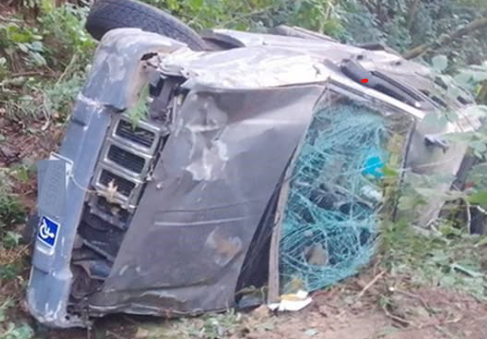
Costa Rica car crash that killed a U.S. citizen — the kind of case where understanding the differences between Costa Rican and American tort law becomes immediately and consequentially relevant.
Most Americans who get injured in Costa Rica assume the legal process will work roughly the way it does at home. That assumption costs them. The two systems are built on different legal foundations, operate under different principles, and produce outcomes that can look almost nothing alike — particularly when it comes to the scope of damages a court is willing to award and the remedies available to an injured party.
I hold a Juris Doctor and have spent 27 years working alongside Costa Rican legal counsel on cases that cross both systems. What follows is a practical explanation of how personal injury claims work in Costa Rica, where the gaps are relative to U.S. law, and what you need to understand before you find yourself navigating this terrain without a map.
What Personal Injury Claims Actually Cover
In both countries, a personal injury claim begins with the same basic premise: someone was hurt because another party was careless or acted wrongly, and the injured person is entitled to compensation as a result. Car accidents, slip and falls, medical negligence, workplace injuries — the categories of harm are largely the same on both sides of the equation. Where the systems diverge sharply is in what compensation looks like and how broadly a court is prepared to define it.
In the United States, tort law operates within a common law framework that gives courts significant flexibility. A judge can order the responsible party not just to pay money but to take specific corrective action — fix a dangerous condition, cease a harmful practice, implement protective measures. This is equitable relief, and it exists as a parallel track to monetary damages. American courts can also award punitive damages, which go beyond making the plaintiff whole and are designed specifically to punish egregious conduct and deter others from the same behavior. The result is a system with considerable reach — economic damages, non-economic damages, punitive damages, and injunctive relief, all potentially in play depending on the facts of the case.
How Costa Rica's System Differs
Costa Rica's legal system is grounded in civil law — a tradition derived from Roman law and codified statutory frameworks, common throughout Latin America and continental Europe. The difference is not merely procedural. It is structural. Under civil law, judges are bound more tightly to what the written statutes authorize. They have less latitude to craft remedies that go beyond what the code explicitly provides for, which means the range of outcomes available to an injured plaintiff is narrower from the outset.
Punitive damages do not exist in Costa Rica. The courts are not in the business of punishing defendants through civil verdicts — that function belongs to the criminal system. The civil courts focus on restoration: making the injured party whole for documented, quantifiable losses. Medical expenses, lost wages, and direct economic harm are compensable. Pain and suffering damages exist but are applied more conservatively than American juries typically award. And the equitable relief mechanisms that allow U.S. courts to order corrective action — mandatory injunctions, structural remedies — are largely unavailable in the Costa Rican civil framework.
"The Costa Rican court's job is to restore what you lost, not to punish the person who took it. That distinction matters enormously when you're calculating what a case is actually worth before you decide whether to pursue it."
Case resolution time is another material difference. Costa Rica's judicial system, like most civil law jurisdictions, moves at its own pace — one that frequently frustrates clients accustomed to U.S. litigation timelines. A case that might settle or reach verdict in 18 months in the United States can stretch to three, four, or five years in Costa Rica, particularly if it involves multiple parties, government entities, or disputed liability.
The Systems at a Glance
| Aspect | United States | Costa Rica |
|---|---|---|
| Legal Foundation | Common law | Civil law |
| Equitable Relief | Available — courts can order corrective action | Limited — judges bound by statutory authorization |
| Punitive Damages | Available in appropriate cases | Not available |
| Compensation Scope | Economic, non-economic, and punitive | Primarily economic |
| Judge's Discretion | Broader — can craft novel remedies | Narrower — must follow written code |
| Case Resolution Time | Varies — often faster | Often longer — multi-year timelines common |
What This Means in Practice
If you are injured in Costa Rica, the realistic picture is this: you can pursue compensation for your documented medical expenses and verifiable lost income. You can seek damages for pain and suffering, though the amounts a Costa Rican court awards for non-economic harm tend to be modest by American standards. You will not receive punitive damages regardless of how reckless or deliberate the conduct that caused your injury was. And you are unlikely to obtain a court order requiring the responsible party to do anything beyond paying what the court determines you are owed.
That is not nothing — but it is a meaningfully different calculation than what an American plaintiff's attorney would present to a client considering litigation at home. Understanding that difference before the case is filed, not after, is what allows you to make a realistic decision about how to proceed.
One important point that clients often overlook: if you are a U.S. citizen or resident injured in Costa Rica, your remedies may not be limited to the Costa Rican system alone. Depending on the facts of your case — the nationality of the parties, the existence of U.S.-based insurance coverage, or a defendant with assets or presence in the United States — you may have avenues under U.S. law that exist independently of whatever the Costa Rican courts can or cannot award. This is a conversation worth having with qualified legal counsel before you close any door.
How Investigation Supports a Personal Injury Claim in Costa Rica
In any jurisdiction, the quality of a personal injury claim depends heavily on the quality of the evidence behind it. Costa Rica is no different — and in some respects the evidentiary burden is more acute, because the narrower damages framework means there is less room for a sympathetic verdict to compensate for a weak factual record. What the court can award is limited; the only variable you can meaningfully control is the strength of the documentation you bring.
My team conducts personal injury investigations throughout Costa Rica — accident scene documentation, witness identification and statement collection, surveillance to establish or challenge injury claims, medical record review, and coordination with local legal counsel through our partnership with Costa Rica's judicial system. Whether you are a plaintiff building a claim or an insurer evaluating one, the investigative record we produce is built to the evidentiary standards that matter when a case reaches a Costa Rican courtroom — or, when the facts support it, a U.S. forum as well.
Written by Cody L. Gear, CFE, JD · Costa Rica Private Investigator since 1997 · Cody L. Gear & Associates · Updated April 2026. This article is provided for informational purposes only and does not constitute legal advice. Consult qualified legal counsel regarding the specific facts of your situation.
Understanding the Lack of Equitable Tort Relief Compared to the United States
Costa Rica car crash that killed a U.S. citizen — the kind of case where understanding the differences between Costa Rican and American tort law becomes immediately and consequentially relevant.
Most Americans who get injured in Costa Rica assume the legal process will work roughly the way it does at home. That assumption costs them. The two systems are built on different legal foundations, operate under different principles, and produce outcomes that can look almost nothing alike — particularly when it comes to the scope of damages a court is willing to award and the remedies available to an injured party.
I hold a Juris Doctor and have spent 27 years working alongside Costa Rican legal counsel on cases that cross both systems. What follows is a practical explanation of how personal injury claims work in Costa Rica, where the gaps are relative to U.S. law, and what you need to understand before you find yourself navigating this terrain without a map.
What Personal Injury Claims Actually Cover
In both countries, a personal injury claim begins with the same basic premise: someone was hurt because another party was careless or acted wrongly, and the injured person is entitled to compensation as a result. Car accidents, slip and falls, medical negligence, workplace injuries — the categories of harm are largely the same on both sides of the equation. Where the systems diverge sharply is in what compensation looks like and how broadly a court is prepared to define it.
In the United States, tort law operates within a common law framework that gives courts significant flexibility. A judge can order the responsible party not just to pay money but to take specific corrective action — fix a dangerous condition, cease a harmful practice, implement protective measures. This is equitable relief, and it exists as a parallel track to monetary damages. American courts can also award punitive damages, which go beyond making the plaintiff whole and are designed specifically to punish egregious conduct and deter others from the same behavior. The result is a system with considerable reach — economic damages, non-economic damages, punitive damages, and injunctive relief, all potentially in play depending on the facts of the case.
How Costa Rica's System Differs
Costa Rica's legal system is grounded in civil law — a tradition derived from Roman law and codified statutory frameworks, common throughout Latin America and continental Europe. The difference is not merely procedural. It is structural. Under civil law, judges are bound more tightly to what the written statutes authorize. They have less latitude to craft remedies that go beyond what the code explicitly provides for, which means the range of outcomes available to an injured plaintiff is narrower from the outset.
Punitive damages do not exist in Costa Rica. The courts are not in the business of punishing defendants through civil verdicts — that function belongs to the criminal system. The civil courts focus on restoration: making the injured party whole for documented, quantifiable losses. Medical expenses, lost wages, and direct economic harm are compensable. Pain and suffering damages exist but are applied more conservatively than American juries typically award. And the equitable relief mechanisms that allow U.S. courts to order corrective action — mandatory injunctions, structural remedies — are largely unavailable in the Costa Rican civil framework.
"The Costa Rican court's job is to restore what you lost, not to punish the person who took it. That distinction matters enormously when you're calculating what a case is actually worth before you decide whether to pursue it."
Case resolution time is another material difference. Costa Rica's judicial system, like most civil law jurisdictions, moves at its own pace — one that frequently frustrates clients accustomed to U.S. litigation timelines. A case that might settle or reach verdict in 18 months in the United States can stretch to three, four, or five years in Costa Rica, particularly if it involves multiple parties, government entities, or disputed liability.
The Systems at a Glance
| Aspect | United States | Costa Rica |
|---|---|---|
| Legal Foundation | Common law | Civil law |
| Equitable Relief | Available — courts can order corrective action | Limited — judges bound by statutory authorization |
| Punitive Damages | Available in appropriate cases | Not available |
| Compensation Scope | Economic, non-economic, and punitive | Primarily economic |
| Judge's Discretion | Broader — can craft novel remedies | Narrower — must follow written code |
| Case Resolution Time | Varies — often faster | Often longer — multi-year timelines common |
What This Means in Practice
If you are injured in Costa Rica, the realistic picture is this: you can pursue compensation for your documented medical expenses and verifiable lost income. You can seek damages for pain and suffering, though the amounts a Costa Rican court awards for non-economic harm tend to be modest by American standards. You will not receive punitive damages regardless of how reckless or deliberate the conduct that caused your injury was. And you are unlikely to obtain a court order requiring the responsible party to do anything beyond paying what the court determines you are owed.
That is not nothing — but it is a meaningfully different calculation than what an American plaintiff's attorney would present to a client considering litigation at home. Understanding that difference before the case is filed, not after, is what allows you to make a realistic decision about how to proceed.
One important point that clients often overlook: if you are a U.S. citizen or resident injured in Costa Rica, your remedies may not be limited to the Costa Rican system alone. Depending on the facts of your case — the nationality of the parties, the existence of U.S.-based insurance coverage, or a defendant with assets or presence in the United States — you may have avenues under U.S. law that exist independently of whatever the Costa Rican courts can or cannot award. This is a conversation worth having with qualified legal counsel before you close any door.
How Investigation Supports a Personal Injury Claim in Costa Rica
In any jurisdiction, the quality of a personal injury claim depends heavily on the quality of the evidence behind it. Costa Rica is no different — and in some respects the evidentiary burden is more acute, because the narrower damages framework means there is less room for a sympathetic verdict to compensate for a weak factual record. What the court can award is limited; the only variable you can meaningfully control is the strength of the documentation you bring.
My team conducts personal injury investigations throughout Costa Rica — accident scene documentation, witness identification and statement collection, surveillance to establish or challenge injury claims, medical record review, and coordination with local legal counsel through our partnership with Costa Rica's judicial system. Whether you are a plaintiff building a claim or an insurer evaluating one, the investigative record we produce is built to the evidentiary standards that matter when a case reaches a Costa Rican courtroom — or, when the facts support it, a U.S. forum as well.
Written by Cody L. Gear, CFE, JD · Costa Rica Private Investigator since 1997 · Cody L. Gear & Associates · Updated April 2026. This article is provided for informational purposes only and does not constitute legal advice. Consult qualified legal counsel regarding the specific facts of your situation.
Understanding the Lack of Equitable Tort Relief Compared to the United States
If you ever face a personal injury claim in Costa Rica, it helps to know the legal system there works differently than in the U.S. Whether you’re a tourist, expatriate, or resident, knowing these differences can save you time and frustration. One big difference is that Costa Rica doesn’t offer the same equitable tort relief that you find in the United States. This can affect how your case is handled and the compensation you might receive.
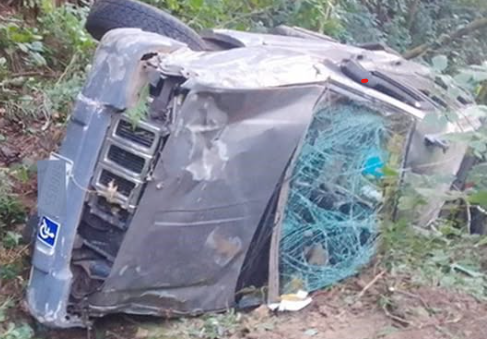
Costa Rica Car Crash that killed a US citizen
What Are Personal Injury Claims?
Personal injury claims happen when you get hurt because someone else was careless or acted wrongly. In the U.S., these claims cover many situations, like car accidents, slip and falls, medical mistakes, and workplace injuries. The goal is to get money to cover your medical bills, lost wages, pain and suffering, and sometimes punish the person responsible.
How Does the U.S. Handle Tort Law and Equitable Relief?
In the U.S., tort law provides many ways to help injured people. For example, courts can order the responsible party to fix a dangerous condition or stop harmful actions. This is called equitable relief. It goes beyond just paying money.
You can also get punitive damages in the U.S., which punish bad behavior and discourage others from doing the same. This mix of money damages and court orders gives you strong legal protection.
Tort Law in Costa Rica: What You Need to Know
Costa Rica’s legal system is based on civil law and works differently. You can still seek compensation if you get injured due to someone else’s fault, but the options are more limited. The courts usually only award money to cover direct losses like medical bills and lost income.
Punitive damages don’t exist in Costa Rica. The courts focus on making sure you get back what you lost, not on punishing the person who caused your injury. This often means you get less compensation than you might in the U.S.
Why Is Equitable Relief Limited in Costa Rica?
Costa Rica follows civil law
traditions, which rely more on written laws than on judges’ decisions. Judges have less freedom to create remedies that go beyond what the law says. So, you probably won’t get a court order requiring the wrongdoer to take specific actions, like fixing a hazard.
What Does This Mean for You?
If you get injured in Costa Rica, keep these points in mind:
- You can expect compensation mainly for real expenses like medical bills and lost wages.
- You won’t get punitive damages to punish the person who hurt you.
- Courts rarely order actions to prevent future injuries.
- Legal cases may take longer to resolve than in the U.S.
How to Handle Personal Injury Claims in Costa Rica
If you need to file a claim, hire a Costa Rican attorney and a Costa Rica Private Investigator that knows the local laws. They can help you:
- Understand if your claim has a good chance of success.
- Collect important evidence, such as medical records and witness statements.
- Know what kinds of damages you can claim.
- Negotiate a fair settlement to avoid long court battles.
Comparing the Two Systems
| Aspect | United States | Costa Rica |
|---|---|---|
| Legal System | Common law | Civil law |
| Equitable Relief | Available (court orders) | Limited |
| Punitive Damages | Possible | Not available |
| Compensation Scope | Broad (economic + non-economic) | Mostly economic |
| Case Resolution Time | Varies, often faster | Often longer |
| Judge’s Role | Can create remedies | Must follow written laws |
Final Thoughts
Costa Rica is a wonderful place to visit or live, but its personal injury laws don’t offer the same protections as the U.S. The limited equitable relief means you should prepare for fewer options when seeking compensation. If you get injured because of someone else’s negligence, work with a local lawyer who understands these differences. That way, you can protect your rights and get the help you need. Although your remedy in Costa Rica is limited, you still have remedies under United States law.
Want to learn more about personal injury claims? Visit our Personal Injury Practice Area. If you have questions or need guidance, feel free to contact us for a consultation.


