
Infidelity Investigations · Costa Rica · Evidence
What Evidence Do You Collect in an Infidelity Investigation?
When a client asks what evidence I collect in an infidelity investigation in Costa Rica, what they are really asking is: will I be able to prove what I suspect? Will what you find hold up? Can I use it? The answers depend on the type of evidence, how it was collected, and what the client intends to do with it.
After 27 years conducting infidelity investigations across Costa Rica — in San José, Jaco, Tamarindo, Guanacaste, Manuel Antonio, and everywhere in between — I've developed a clear understanding of what professional surveillance can and cannot document, what makes evidence usable versus inadmissible, and how to build a file that serves a client's actual needs rather than simply checking a box.
The infidelity investigation evidence Costa Rica clients receive from our agency is GPS-stamped, timestamped, professionally documented, and compiled into a written report that can withstand scrutiny — whether in a personal conversation, a divorce attorney's office, or a courtroom.
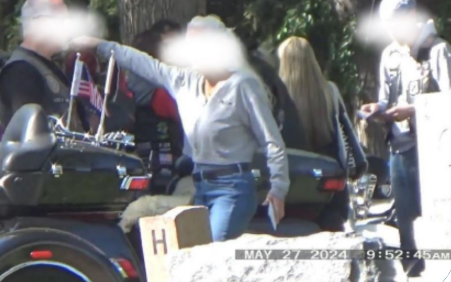
Professional surveillance documentation in Costa Rica — GPS-stamped, timestamped, and compiled into a written evidentiary report.
The Evidence We Collect in an Infidelity Investigation
Every piece of evidence in a professional infidelity investigation is collected legally, documented thoroughly, and compiled in a format the client can use. Here is exactly what that means in practice.
Photographic Documentation
Still photography is the backbone of infidelity investigation evidence. We document subjects in public spaces — arriving at and departing from locations, meeting companions, displaying physical affection, entering and exiting vehicles and buildings. Every photograph contains embedded GPS metadata showing the exact coordinates where it was taken, along with date and time stamps accurate to the second. This metadata is forensically verifiable and cannot be disputed after the fact. Photographs establish location, timing, companion identity, and behavioral context in ways that written descriptions alone cannot.
Video Evidence
High-definition video captures what still photographs cannot — movement, interaction, duration, and the behavioral context that transforms an image into a documented pattern. A photograph of two people together is one data point. Video of the same two people arriving together, spending three hours at a location, and departing together with observable physical affection tells a complete story. We use professional camera equipment with telephoto capability, allowing clean footage from discreet distances without compromising image quality. All video files retain original metadata and are delivered unedited alongside any edited highlight versions.
GPS-Stamped Location Data
Every piece of photographic and video evidence we collect carries embedded GPS coordinates — the exact latitude and longitude where the evidence was captured. This serves two functions. First, it proves the subject was at a specific location at a specific time, corroborating or contradicting their stated whereabouts. Second, it documents our investigators' positions during surveillance, creating a verifiable chain of custody for the evidence itself. GPS metadata is standard practice in professional investigation and is accepted in legal proceedings as authentication of evidence origin.
Investigator Observation Logs
Written observation logs document everything that cannot be captured on camera — the investigator's movements, the operational decisions made during surveillance, locations visited that don't produce photographic evidence, subjects encountered and identified, and the chronological narrative of the investigation day. These logs provide the contextual framework that makes photographic and video evidence coherent. A photograph of a subject entering a building at 8 PM is more meaningful alongside an investigator's log entry documenting that the subject stated they were working late, remained at the location until midnight, and was observed departing with an unidentified companion.
Companion Identification
When an unknown companion is involved, we work to legally identify that individual using publicly available information, observable details, and investigative research. Vehicle license plates, business affiliations, social media presence, and physical descriptions are cross-referenced to establish identity. Companion identification is documented with the same standard of evidence as subject documentation — photographs, location data, and written entries. In cases destined for legal proceedings, clear identification of all parties is essential. Evidence that proves an affair occurred but cannot identify the other person leaves significant gaps in a legal argument.
Behavioral Pattern Documentation
Single-instance evidence confirms that something happened once. Pattern documentation — evidence collected across multiple days or incidents — establishes that behavior is habitual rather than coincidental. Courts and attorneys find pattern evidence significantly more persuasive than isolated incidents because it eliminates the innocent explanation. A subject entering an apartment at 9 PM and leaving at midnight on one occasion could have any number of explanations. The same subject at the same location on four separate occasions, documented with consistent timing and companion presence, tells a different story entirely.
"Evidence that can't be explained away is built from consistency, documentation, and patience — not from a single dramatic moment."
What Evidence Cannot Be Collected — Legal Limits in Costa Rica
Costa Rica has robust privacy protections that define clear limits on what investigators can legally collect. Understanding these limits before an investigation begins prevents unrealistic expectations and ensures that what is collected is actually usable.
Interception of private communications — phone calls, text messages, WhatsApp, emails — without court authorization is illegal under Costa Rican law regardless of who owns the device or pays the bill.
Installation of GPS tracking devices on vehicles is prohibited under Costa Rican privacy law, even on vehicles owned by the client. Evidence obtained through GPS tracking devices is legally compromised and potentially inadmissible.
Surveillance inside private residences, hotel rooms, or any space where a subject has a reasonable expectation of privacy is not conducted under any circumstances. We document what is visible from public vantage points only.
Hacking, unauthorized access to accounts, or any form of digital intrusion is illegal and outside the scope of professional investigation. Clients who present evidence obtained through these means risk compromising their entire legal case.
Entrapment or inducing a subject to engage in behavior they would not otherwise engage in is not investigation — it is fabrication. We document what subjects do, not what we engineer them to do.
Professional evidence collection in Costa Rica requires legal compliance, operational discipline, and documentation standards that hold up under scrutiny.
How Evidence Is Compiled and Delivered
The investigation file a client receives is not a collection of raw photos and a handwritten note. It is a professionally prepared evidentiary package built to serve whatever purpose the client needs — personal decision-making, attorney consultation, or court proceedings.
Written investigation report in English — chronological narrative of all surveillance activity, observations, and findings. Formatted for readability by attorneys, clients, and courts.
All original high-resolution photographs with embedded GPS metadata intact. Organized chronologically and by location. Not cropped or altered — original files with verifiable metadata.
Original unedited video files plus an edited highlight version for ease of review. All files retain original metadata including GPS coordinates, date, and time.
Chronological timeline of subject movements and activities cross-referenced with GPS data and photographic evidence. Allows attorneys and clients to reconstruct the investigation day by day.
Complete investigator observation logs covering all surveillance periods — including periods where no photographic evidence was captured. Full transparency on investigator activity throughout the case.
Chain of custody documentation for legal cases — establishes who collected each piece of evidence, when, and how it was preserved from collection to delivery. Required for court admissibility.
Secure digital delivery via encrypted file transfer. Physical USB drive available on request. Investigator available to discuss findings and answer attorney questions after delivery.
The Authentication Requirement — Why the Investigator Matters as Much as the Evidence
There is a dimension of infidelity investigation evidence that most clients — and many investigators — overlook entirely until it becomes a problem in a courtroom. Under the rules of procedure in all U.S. courts, photographs and videos must be authenticated by the person who took them. The investigator who collected the evidence must be able to testify, under oath, that the evidence is what it purports to be — that they were present, that they captured it, and that it has not been altered.
This creates a set of requirements that go far beyond simply producing a good photograph. Authentication means the investigator must be able to appear in a U.S. court or provide a sworn deposition admissible in that court. That requires three things that are not negotiable and cannot be substituted with a creative workaround.
English language capability. The investigator must be able to testify in English — or provide testimony through a certified court interpreter at significant additional cost and logistical complexity. An investigator who cannot communicate directly with U.S. attorneys, judges, and opposing counsel cannot effectively authenticate evidence or withstand cross-examination.
Valid U.S. visa or entry authorization. An investigator who cannot legally enter the United States cannot appear in a U.S. court. Full stop. Evidence collected by an investigator without U.S. entry authorization is effectively stranded in Costa Rica — it exists, but its collector cannot authenticate it before the court that needs it. This disqualifies a significant portion of investigators who advertise Costa Rica investigation services from websites located outside the country.
Experience testifying in U.S. legal proceedings. Knowing how to collect evidence is different from knowing how to present it effectively under cross-examination by opposing counsel. An investigator with no experience in U.S. courtroom procedure, evidentiary standards, or the specific demands of deposition and trial testimony is an unreliable authenticator regardless of how good their surveillance footage is.
I am an American investigator and permanent resident of Costa Rica, holding a Juris Doctor degree and certified as a court mediator in Florida. I served as a police chief in two separate municipalities, worked as a detective, and have testified in numerous civil and criminal proceedings — including as an expert witness. I have 27 years of investigation experience in Costa Rica, am fully bilingual, hold U.S. entry authorization, and have the courtroom experience to authenticate evidence under cross-examination from opposing counsel. When evidence I collect needs to be authenticated in a U.S. court, I can do that — in person, in English, with the credibility that comes from decades of sworn testimony.
Every investigator who advertises Costa Rica infidelity investigation services from a foreign location, who cannot enter the United States, or who has never testified in a U.S. proceeding is selling you evidence that may be impossible to authenticate when you need it most. That is not a minor limitation. It is the difference between evidence and an expensive collection of photographs that cannot be used.
⚠ Ask Every Investigator These Three Questions
Before retaining any investigator for a case that may involve U.S. legal proceedings: (1) Can you testify in English? (2) Do you hold a valid U.S. visa or entry authorization? (3) Have you previously authenticated evidence in a U.S. court or deposition? If the answer to any of these is no or uncertain, the evidence they collect may be inadmissible when it matters most.
Is Infidelity Investigation Evidence Admissible in Court?
Evidence collected through lawful surveillance in public spaces, documented with GPS-stamped metadata, and compiled with proper chain of custody is generally admissible in Costa Rican legal proceedings and can support proceedings in U.S. and other foreign jurisdictions. But as the authentication section above makes clear, admissibility is not solely a question of how the evidence was collected — it is equally a question of whether the person who collected it can stand behind it in court.
What professional documentation does is remove the grounds for challenge on both fronts. Evidence that is clearly collected legally, authenticated through metadata, documented with chain of custody, and collected by an investigator who can testify to its authenticity in English before a U.S. court has no obvious grounds for exclusion. Evidence collected through questionable methods, or by an investigator who cannot be cross-examined, can be excluded entirely — leaving a client with nothing usable after significant expense.
For clients whose cases involve U.S. legal proceedings, our partner agency Privin Network can coordinate with domestic attorneys to ensure that evidence collected in Costa Rica meets the evidentiary standards required in U.S. courts. Cross-border cases benefit from investigators on both ends who understand each jurisdiction's requirements.
⚠ Critical — Evidence Quality vs. Evidence Quantity
More evidence is not always better evidence. A concise, well-documented file with three clear incidents of documented infidelity is more powerful than a disorganized collection of ambiguous photographs spanning three weeks. What matters is the quality of documentation, the clarity of what each piece of evidence proves, and the professional presentation that allows an attorney or judge to follow the narrative without confusion. We build files that tell a clear story — not files that overwhelm.
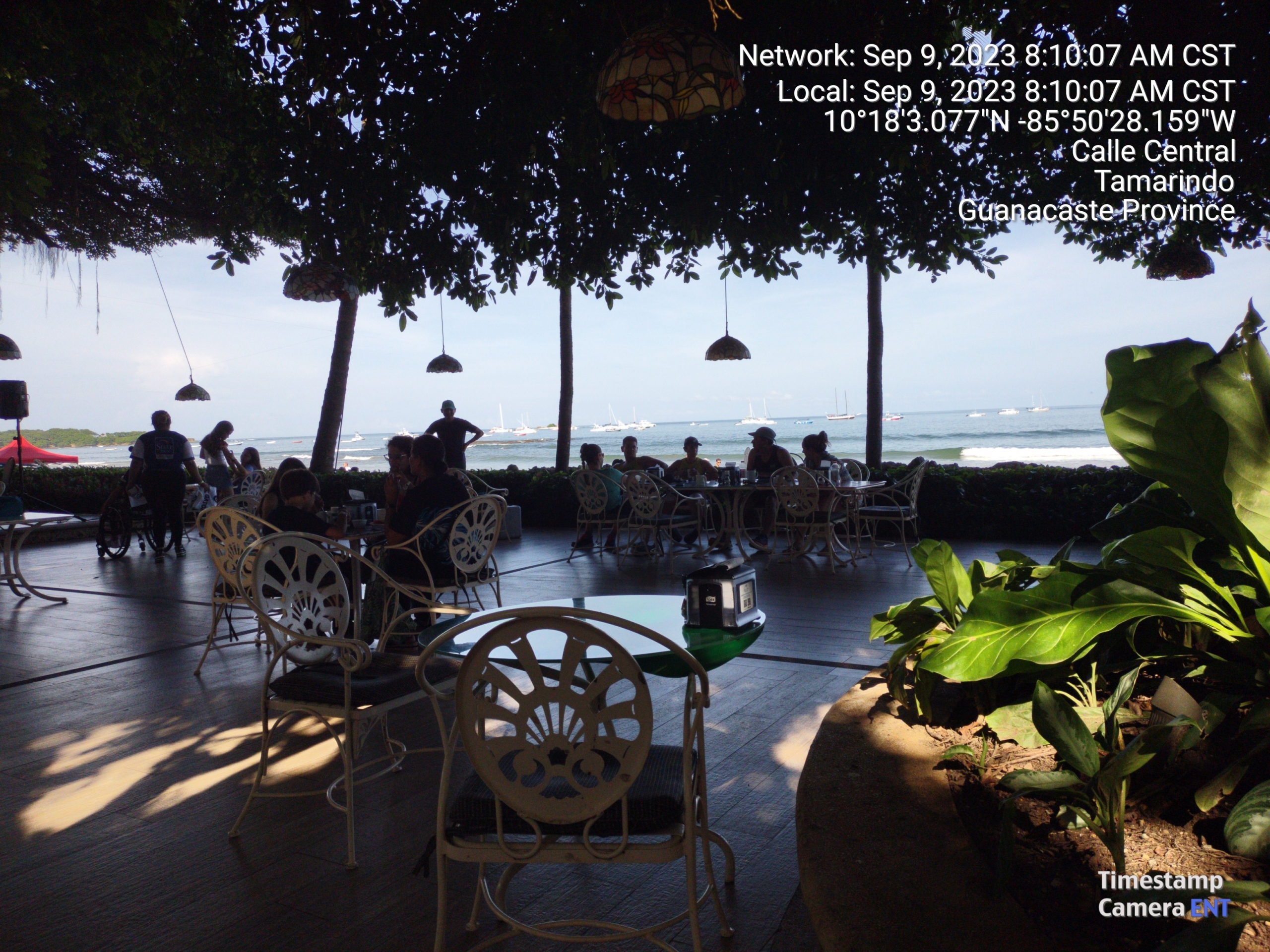
Tamarindo is one of Costa Rica's most active locations for infidelity investigations — a self-contained resort town where subject movements are predictable and evidence collection is operationally manageable.
Frequently Asked Questions
Can you personally testify to authenticate evidence in a U.S. court?
Yes. I am an American investigator and permanent Costa Rica resident, holding a Juris Doctor degree and certified as a court mediator in Florida, with U.S. entry authorization and direct experience in U.S. legal proceedings. Evidence I collect can be authenticated by me directly — in English, in person, under cross-examination. This is a capability that the majority of investigators advertising Costa Rica services cannot offer. If your case has any possibility of involving U.S. legal proceedings, authentication capability should be your first question to any investigator you consider retaining.
Will the evidence show exactly what happened in a hotel room?
No. We document what is visible from public vantage points — arrivals, departures, companions, physical affection, locations, and timing. We cannot and do not conduct surveillance inside hotel rooms, private residences, or any space where a subject has a reasonable expectation of privacy. Courts do not require bedroom video to establish infidelity. Documented pattern behavior — a subject entering a companion's hotel room at 9 PM and departing at 2 AM on three separate occasions — is legally sufficient evidence of an affair in most jurisdictions.
How quickly can I receive the evidence after the investigation?
The written report and organized evidence package are typically delivered within 48 to 72 hours of the final day of surveillance. Cases requiring extensive video editing or complex timeline compilation may take slightly longer. Clients are not left waiting weeks for a file — timely delivery is part of professional service.
Can I use Costa Rica investigation evidence in a U.S. divorce case?
Evidence collected through lawful surveillance and properly documented can generally support U.S. legal proceedings, but admissibility depends on the specific jurisdiction and court. I recommend consulting with your divorce attorney before the investigation begins so that documentation standards are aligned with what your attorney needs. Evidence built to the wrong standard is frustrating and expensive to correct after the fact.
What if the subject does nothing during the surveillance period?
The absence of evidence is itself a finding. A surveillance report documenting that the subject's observed behavior during the coverage period showed no indication of infidelity is a real, professional finding that has value. It doesn't mean nothing is happening — it means nothing was observed during the specific coverage window. This distinction is important for clients deciding whether to extend coverage or accept the current findings.
Is the evidence delivered in Spanish or English?
Written reports are delivered in English. For cases involving Costa Rican legal proceedings, certified Spanish translation of the report can be arranged. GPS metadata and photographic evidence are language-independent — the data itself requires no translation.
Can I share the evidence with my attorney before deciding how to proceed?
Yes — and I strongly recommend it. Attorney review of investigation findings before any confrontation or legal action is one of the most important steps a client can take. Attorneys can advise on how findings affect legal strategy, what additional documentation would strengthen a case, and how to proceed in a way that protects the client's interests. Evidence reviewed by an attorney before use is evidence used wisely.
Written by Cody L. Gear based on 27 years of investigation experience in Costa Rica. Updated April 2026.
