
Yes. And Prevention Costs Nothing. Recovery Attempts Cost $10,000+ and Rarely Work.
Here's the direct answer about how to prevent wire transfer fraud Costa Rica: Wire transfer fraud is prevented through multi-channel verification (never trust email alone), call-back verification on known phone numbers before any wire sent, verification questions or code words for payment instructions, dual authorization for large transfers, and email security with two-factor authentication. Prevention costs nothing but takes discipline to verify every wire instruction. Wire transfer fraud that succeeds costs $50,000-$500,000+ with under 5% recovery rate.
Understanding wire transfer fraud: scammers compromise business email accounts or create lookalike email addresses, send fake wiring instructions appearing to be from your real estate attorney, business partner, vendor, or executive, request urgent wire transfer to "new account" (actually scammer's Costa Rica account), then disappear with funds once wire completes. Costa Rica is common destination because wire transfers arrive quickly, money can be withdrawn or transferred before victim realizes fraud, and international recovery is difficult.
I investigate wire transfer fraud weekly—business owner wires $150,000 to "vendor's new account," real estate buyer sends $300,000 closing funds to "attorney's updated wiring instructions," company sends $85,000 to "CEO's urgent request." All fake emails. All money gone to Costa Rica accounts controlled by scammers. All preventable with simple verification protocols that cost nothing but take 5 minutes.
After 27 years investigating fraud in Costa Rica, wire transfer fraud is the most preventable and most devastating scam I see. Preventable because verification before wiring stops it 100% of time. Devastating because once wire completes, money is typically gone within hours—withdrawn at Costa Rica banks, transferred to other accounts, or sent offshore before victim realizes fraud.
Let me explain how wire transfer fraud works, common scam variations, why Costa Rica is targeted destination, prevention methods that actually work, red flags to recognize, what to do if scammed, and realistic expectations for recovery attempts.

Common Wire Transfer Fraud Schemes
Understanding how scammers operate.
Business Email Compromise (BEC)
How it works:
- Scammer compromises business email account (vendor, partner, attorney, employee)
- Monitors emails to understand payment patterns and relationships
- Sends fake invoice or payment instruction from compromised email
- Requests wire to "updated account" or "new bank information"
- Email appears completely legitimate—sent from real email address
- Victim wires money believing instruction legitimate
- Money goes to scammer's Costa Rica account, not actual vendor
Why this works: Email sent from real address, timing matches expected invoice, communication appears normal. Victim has no reason to suspect fraud.
Typical loss: $50,000-$500,000 per incident
Real Estate Closing Wire Fraud
How it works:
- Scammer compromises real estate attorney or title company email
- Monitors closing communications to know exact closing date and amount
- Sends fake wiring instructions 24-48 hours before closing
- Instructions claim "bank account changed" or "updated wiring details"
- Email looks identical to previous legitimate communications
- Buyer wires closing funds to scammer's Costa Rica account
- Real closing cannot proceed—funds gone, property sale fails
Why Costa Rica: International wire transfers to Costa Rica arrive same day or next day, scammer withdraws immediately, U.S. buyer doesn't realize fraud until real attorney asks where closing funds are
Typical loss: $100,000-$800,000 (entire down payment or purchase price)
CEO/Executive Impersonation Fraud
How it works:
- Scammer creates email address similar to CEO/CFO (john.smith@companyname.com vs john.smith@companyname-corp.com)
- Sends urgent wire transfer request to accounting/finance employee
- "I need you to wire $75,000 immediately for confidential acquisition, I'm in meetings all day, handle this urgently"
- Pressure to act quickly, bypass normal approval procedures
- Employee wires money to scammer's Costa Rica account
- Real CEO has no knowledge of transfer
Variations: "Attorney fees for urgent legal matter," "Consultant payment for confidential project," "Vendor payment that can't wait"
Typical loss: $25,000-$200,000
Invoice Manipulation Fraud
How it works:
- Scammer intercepts email communication between company and vendor
- Creates fake invoice matching vendor's format
- Changes banking information on invoice to scammer's Costa Rica account
- Sends invoice from spoofed email address closely resembling vendor's
- Company pays "vendor" invoice, money goes to scammer
- Real vendor never receives payment, eventually contacts company about overdue invoice
Detection timing: Often discovered weeks or months later when real vendor complains about non-payment
Typical loss: $15,000-$150,000
Account Takeover Wire Fraud
How it works:
- Scammer gains access to victim's bank account (phishing, malware, credential theft)
- Initiates wire transfer from victim's account to scammer's Costa Rica account
- Wire appears legitimate because initiated from real account
- Victim discovers unauthorized wire when checking account days later
- By then, money withdrawn and dispersed in Costa Rica
Prevention: Wire transfer alerts, dual authorization requirements, daily account monitoring
Typical loss: $10,000-$100,000 (limited by daily wire transfer limits)
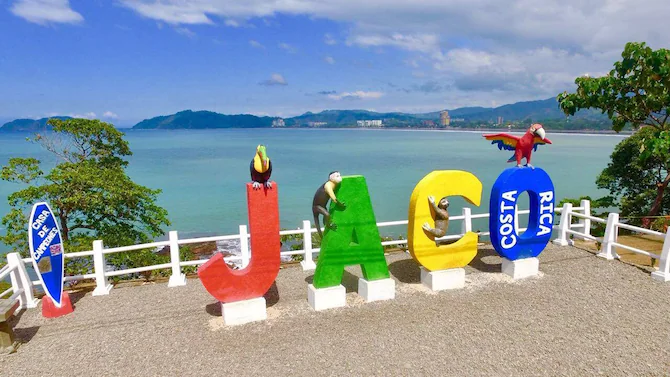
Why Costa Rica for Wire Transfer Fraud
Understanding scammer destination preferences.
Wire Transfer Speed
U.S. to Costa Rica timing:
- Wire transfer initiated in U.S. morning arrives Costa Rica same day
- Afternoon wires arrive next business day
- Faster than many other international destinations
- Speed allows scammers to withdraw before victim realizes fraud
Bank Access and Withdrawal
Costa Rica banking advantages for scammers:
- Easy to open corporate accounts with minimal documentation
- Cash withdrawals up to $10,000+ daily without excessive scrutiny
- Multiple bank branches for rapid dispersal
- Can transfer to other accounts, withdraw cash, or wire offshore quickly
International Recovery Difficulty
Why scammers choose Costa Rica:
- U.S. court orders difficult to enforce in Costa Rica
- Bank cooperation requires Costa Rica legal proceedings
- International asset recovery expensive and slow
- By time legal action initiated, funds long gone
Geographic Convenience
Proximity advantages:
- Short flight from U.S. (3-5 hours) for scammers to access funds in person
- English widely spoken in banking sector
- Established expat community provides cover
- Can establish legitimate-appearing corporate presence
How to Prevent Wire Transfer Fraud
Methods to prevent wire transfer fraud Costa Rica and other destinations.
Multi-Channel Verification (Essential)
Never trust email alone for wire instructions:
- Receive wiring instructions via email → verify through phone call before wiring
- Call known phone number (not number in email—scammer's accomplice might answer)
- Use phone number from original contract, business card, or independent lookup
- Speak directly with person you know, verify account details verbally
- If any hesitation or uncertainty, do not wire
This simple protocol prevents 99% of wire transfer fraud.
Cost:** $0 (5-minute phone call)
Value:** Prevents $100,000-$500,000 loss
Verification Questions and Code Words
Establish protocol before any transaction:
- Agree on verification question/answer at contract signing: "What was the name of your first pet?" "What city did we first meet in?"
- Or establish code word: "When providing final wiring instructions, include the word 'pineapple' in the email"
- Any wiring instruction without code word or correct answer to verification question is assumed fraudulent
For real estate transactions: Agree with attorney at closing scheduling that final wiring instructions will be verified by phone call and will include agreed-upon code word
Dual Authorization for Large Transfers
Company wire transfer policies:
- Wires over $25,000 require two executive approvals
- Both executives must independently verify wire instruction legitimacy
- Different channels used for verification (one verifies by phone, other verifies in writing)
- No single person can authorize large wire based on email alone
Banking controls: Set up wire transfer limits requiring bank manager approval over certain threshold
Email Security Best Practices
Protecting email accounts from compromise:
- Two-factor authentication (2FA) on all business email accounts
- Strong unique passwords (password manager recommended)
- Monitor for suspicious login attempts or unusual account activity
- Regular security training for employees about phishing
- Email encryption for sensitive financial communications
Detecting compromised accounts: Unusual "sent" emails, password reset notifications you didn't request, login alerts from unfamiliar locations
Scrutinize Wiring Instruction Changes
Red flag protocol:
- Any change to previously provided wiring instructions = mandatory phone verification
- "Updated bank account" or "new account information" = extreme scrutiny
- Last-minute changes 24-48 hours before payment = very high fraud risk
- Never accept wiring changes via email without independent verification
Question to ask on verification call: "Why did the account change?" Legitimate reasons are rare. Vague answers or pressure to not ask questions = likely fraud.
Daily Account Monitoring
For business accounts:
- Review account activity daily, not weekly or monthly
- Set up instant alerts for wire transfers
- Immediate notification allows emergency recall within 24-hour window
- Weekly review means fraud discovered too late for any recovery

Red Flags That Indicate Wire Transfer Fraud
Warning signs to recognize before wiring money.
Email Red Flags
- Slight email address variations: john@companyname.com vs john@companyname-inc.com
- Unusual phrasing or grammar: Legitimate attorney doesn't suddenly write like ESL speaker
- Generic greetings: "Dear Client" instead of your name when previous emails were personalized
- Urgency and pressure: "Wire immediately," "Time-sensitive," "Cannot discuss by phone"
- Secrecy requests: "Don't mention this to anyone," "Confidential transaction"
Account Change Red Flags
- Wiring instructions change from U.S. bank to international bank (especially Costa Rica)
- Account changes at last minute (24-48 hours before payment due)
- Vague explanation for change: "Bank issues," "Account problems," "New banking relationship"
- Different account holder name than expected recipient
- Corporate account instead of attorney trust account for real estate closing
Communication Pattern Red Flags
- Email-only communication when phone calls were normal previously
- Resistance to phone verification: "I'm in meetings all day, just send the wire"
- Unusual timing: Wiring instructions arrive after business hours or weekends
- Pressure to bypass normal procedures: "This is urgent exception to standard process"
Request Red Flags
- Wire amount doesn't match expected invoice or closing amount
- Multiple small wires requested instead of single large wire (avoiding detection thresholds)
- Instructions to wire to "escrow account" you haven't heard of before
- Beneficiary name on wire doesn't match vendor/attorney/partner name
What to Do If You've Sent Fraudulent Wire
Emergency actions when wire transfer fraud realized.
Immediate Actions (Within Minutes to Hours)
Step 1: Contact your bank immediately (call, don't email):
- Report fraudulent wire transfer
- Request emergency recall of funds
- Banks can sometimes stop or recall wires within first 24 hours
- After 24-48 hours, recall essentially impossible
Success rate: 15-25% if caught within 2-4 hours, under 5% after 24 hours
Contact Receiving Bank in Costa Rica
If wire completed to Costa Rica account:
- Your bank contacts receiving Costa Rica bank to request hold/freeze
- Costa Rica banks not obligated to comply without court order
- Sometimes cooperate if contacted immediately (within hours)
- Rarely cooperate after 24 hours—funds typically withdrawn by then
Emergency Legal Action in Costa Rica
If within 24-72 hours:
- Contact Costa Rica attorney immediately for emergency court order
- Attorney files emergency motion to freeze receiving bank account
- Judge can order account freeze if sufficient fraud evidence
- Must act extremely fast—scammers withdraw funds immediately
Timeline: Emergency court orders possible same day or next day with right attorney
Cost: $3,000-$8,000 (attorney fees, court costs)
Success rate: 10-20% if truly immediate action, under 5% after 2-3 days
See money tracing investigation for detailed emergency response.
Investigation and Documentation
Even if immediate recovery fails:
- Hire investigator to trace funds and identify scammer
- Document fraud for criminal complaint and civil lawsuit
- File police report in your jurisdiction
- Report to FBI IC3 if U.S. victim (ic3.gov)
- Gather all email evidence, wire documentation, communication records
Investigation cost: $2,000-$5,000
Value: Evidence for legal proceedings, criminal prosecution, insurance claims, tax loss documentation
For comprehensive fraud investigation, see investment scam investigation guidance.
Long-Term Legal Action
Civil lawsuit in Costa Rica:
- Sue scammer for fraud and money recovery
- Requires identifying scammer and locating seizable assets
- Legal costs: $10,000-$30,000+
- Timeline: 2-5 years
- Success: Low if scammer judgment-proof or fled
Criminal prosecution:
- File complaint with Costa Rica OIJ or Ministerio Público
- Prosecutor decides whether to pursue charges
- Free process but slow and uncertain outcome
- Rarely results in money recovery even if conviction obtained
See reporting fraud for criminal complaint process.
Prevention Versus Recovery Costs
Why prevent wire transfer fraud Costa Rica is infinitely better than recovery attempts.
Prevention Cost: $0
Simple protocols that cost nothing:
- 5-minute phone call to verify wiring instructions
- Verification question agreed upon at contract signing
- Dual authorization policy for large wires
- Daily account monitoring
- Email security best practices (2FA, strong passwords)
Prevention success rate: 99%+ when protocols followed consistently
Recovery Attempt Costs: $10,000-$50,000+
If wire transfer fraud succeeds:
- Emergency bank recall attempt: $0 but under 5% success after 24 hours
- Costa Rica attorney for emergency freeze: $3,000-$8,000 (10-20% success if immediate)
- Investigation to trace funds: $2,000-$5,000
- Civil lawsuit in Costa Rica: $10,000-$30,000+ over 2-5 years
- Total recovery costs: $15,000-$50,000+
Recovery success rate: Under 10% overall, under 2% if more than 72 hours passed
Cost-Benefit Reality
Prevention: $0 cost, 5 minutes per wire, 99% success
Recovery: $15,000-$50,000 cost, months/years of effort, under 10% success
The math is obvious:** Spend 5 minutes verifying before wiring, not $30,000 attempting recovery after.
Common Questions About Wire Transfer Fraud Prevention
How can I tell if wiring instructions email is legitimate or fake?
You can't reliably tell from email alone—sophisticated scammers create perfect-looking emails from compromised accounts or nearly-identical spoofed addresses. This is why multi-channel verification is essential: receive wiring instructions via email, then verify by phone using known phone number before sending wire. Call the number from original contract or business card, not number in email. Speak directly with person you know, verify all account details verbally. If you cannot reach them by phone or any detail seems wrong, do not wire until verified.
What if attorney or vendor gets offended by my verification call?
Legitimate professionals understand wire transfer fraud is rampant and expect verification calls. Any attorney, vendor, or business partner who gets defensive about verification call is major red flag. Professional response: "Absolutely, smart to verify—here's the account information again verbally." Scammer response: "This is insulting, just send the wire," or "I'm too busy for phone calls, instructions are in email." Wire transfer fraud prevention is standard business practice in 2026. Anyone who doesn't accept this isn't professional enough to receive your wire transfer.
Can my bank stop fraudulent wire transfer after it's sent?
Sometimes within first 2-24 hours, rarely after that. Wire transfers are designed to be fast and final—by the time they complete, money is in receiving account. Banks can attempt recall immediately after you report fraud, but success depends on receiving bank cooperation and whether funds still in account. Costa Rica banks sometimes cooperate if contacted within hours, rarely after 24 hours. This is why immediate action critical—call your bank the moment you realize fraud, don't wait until next day or after researching options. Every hour of delay reduces recovery prospects.
Should I verify every wire transfer or just large ones?
Verify every wire transfer regardless of amount. $5,000 wire transfer fraud is still $5,000 loss. Scammers sometimes test with smaller amounts first to see if verification bypassed, then request larger wires later. Establishing consistent verification protocol for all wires (even $1,000) creates habit that prevents $100,000 fraud. Plus, verification takes same 5 minutes whether wire is $1,000 or $500,000—no reason not to verify every single wire instruction you receive.
What if I've already sent wire but something feels wrong?
Call your bank immediately even if you're not certain it's fraud. Better to be wrong about suspicion than delay action. Tell bank you suspect fraudulent wire transfer and request emergency recall. Then attempt to contact intended recipient by phone (not email) to verify whether they received wire or if account information was theirs. If you cannot reach them or they confirm it wasn't their account, definitely fraud—proceed with emergency Costa Rica attorney contact for account freeze attempt. For cross-border investigations, I coordinate with the PRIVIN Network for U.S.-based support.
The Bottom Line on Wire Transfer Fraud Prevention
Wire transfer fraud is prevented through simple protocols: multi-channel verification (phone call verification before any wire sent), verification questions or code words established upfront, dual authorization for large transfers, email security with two-factor authentication, and scrutiny of any wiring instruction changes. Prevention costs nothing but requires discipline to verify every wire instruction regardless of how legitimate email appears.
Common wire transfer fraud schemes:
- Business email compromise (BEC) with fake invoices
- Real estate closing wire fraud
- CEO/executive impersonation scams
- Invoice manipulation with account changes
- Account takeover with unauthorized wires
Why Costa Rica is targeted destination:
- Fast wire transfer arrival (same day or next day)
- Easy cash withdrawal and fund dispersal
- International recovery difficult and expensive
- Scammers can access funds quickly before fraud detected
Prevention methods (cost: $0, success rate: 99%):
- Never trust email alone for wiring instructions
- Phone verification on known numbers before every wire
- Verification questions or code words
- Dual authorization for large transfers
- Email security and monitoring
Recovery costs if fraud succeeds:
- Emergency bank recall: Under 5% success after 24 hours
- Costa Rica attorney emergency freeze: $3,000-$8,000, 10-20% success if immediate
- Investigation: $2,000-$5,000
- Civil lawsuit: $10,000-$30,000+ over years
- Total: $15,000-$50,000+ with under 10% overall success
After 27 years investigating fraud in Costa Rica, wire transfer fraud is most preventable scam I see. Five-minute phone call verification before wiring prevents 99% of cases. But once wire completes to Costa Rica, recovery rate is under 5%—money withdrawn within hours, legal action expensive and rarely successful. Invest 5 minutes in verification before wiring, not $30,000 attempting recovery after.
Contact for Wire Transfer Fraud Investigation
Contact me if you've sent fraudulent wire transfer or suspect fraud. For wires sent within past 24-72 hours, I prioritize emergency investigation to support legal freeze attempts. For older cases, I provide honest assessment of recovery prospects.
WhatsApp (Fastest Response): 407-955-6150
Phone: 321-218-9209
Email: codygear@gmail.com