

What to Do If Someone Goes Missing in a Costa Rica National Park
WILDERNESS EMERGENCY RESPONSE • MINUTES MATTER • ACTIVATE SEARCH IMMEDIATELY
⚠ WILDERNESS EMERGENCY
Someone missing in a Costa Rica national park?
Contact authorities AND professional search immediately. DO NOT WAIT.
Costa Rica Emergency: 911 MINAE (Park Service): +506-2519-7880 Private Search Coordinator WhatsApp: 407-955-6150Costa Rica's national parks look like postcards—impossibly green canopy, waterfalls cascading through jungle, beaches where rainforest meets ocean. They draw millions of tourists annually with promises of seeing sloths, toucans, and landscapes that feel prehistoric. The marketing shows adventure. It rarely shows danger.
But I've stood at those same trailheads where families last saw their loved ones alive. I've searched jungle so dense that five meters off the trail might as well be five kilometers. I've watched weather erase evidence in minutes—rain washing away tracks, fog consuming visibility, rivers swelling from passable to deadly between breakfast and lunch.
When someone goes missing in a Costa Rica national park, you're not dealing with an urban disappearance where security cameras and witnesses provide leads. You're dealing with terrain designed to swallow people, weather that destroys evidence, and a window of survival that shrinks with every passing hour.
This isn't meant to scare you away from Costa Rica's incredible parks. It's meant to prepare you for the reality that if someone does go missing, immediate, professional response isn't optional—it's the difference between rescue and tragedy.
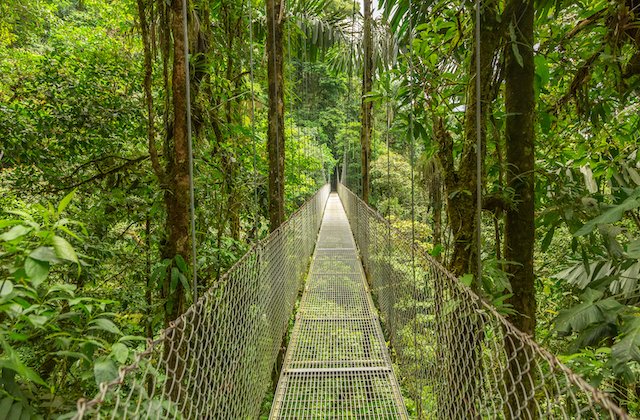
Dense Costa Rica rainforest where missing hikers face extreme survival challenges
Why National Park Disappearances Are Different
Missing in Manuel Antonio or Corcovado isn't the same as missing in San José. The challenges are fundamentally different, the window for successful response is shorter, and the consequences of delay are more severe.
Terrain That Defeats Searches
Costa Rica's parks aren't manicured nature preserves. They're genuine wilderness—dense, difficult, dangerous.
- Visibility measured in meters: Jungle canopy so thick that searching from air is often useless. Ground visibility limited to 5-10 meters in dense areas.
- Off-trail is immediate disorientation: One wrong turn, one detour off marked path, and directional sense becomes meaningless. Every direction looks identical.
- Sound doesn't carry: Jungle absorbs noise. Someone shouting 20 meters away might be inaudible.
- No cell coverage: Most parks have zero phone signal. Once someone is out of sight, they're out of contact.
- Geographic features as barriers: Rivers, cliffs, ravines, swamps—natural features that turn search areas into isolated zones
Weather That Destroys Evidence
Costa Rica's tropical climate works against search and rescue in devastating ways:
Tropical storms rapidly erase evidence and create dangerous search conditions
- Daily rain erases tracks: Afternoon downpours wash away footprints, scent trails, broken vegetation—all the evidence searchers rely on
- Fog reduces visibility to zero: Cloud forest lives up to its name. Fog can make searching impossible.
- Temperature extremes: Exposure, hypothermia at night, heat exhaustion during day—both can incapacitate someone within hours
- Flash flooding: Rivers that look passable can become torrents in minutes
Wildlife Hazards
Costa Rica's wildlife is mostly harmless, but exceptions exist:
- Venomous snakes (fer-de-lance, coral snakes, eyelash vipers)
- Aggressive animals if cornered or with young (wild boars, crocodiles in certain areas)
- Insects carrying disease (malaria in some regions, dengue, chikungunya)
- Plants that cause severe reactions (poisonwood tree, stinging nettles)
Human Limitations
People unprepared for wilderness conditions deteriorate rapidly:
- Dehydration in hours: Tropical heat and humidity accelerate fluid loss
- Injury immobilizes: Twisted ankle, fall from trail, cuts from sharp vegetation—minor injuries become critical when you can't walk out
- Panic compounds problems: Disoriented people often make terrible decisions—walking in circles, leaving trails, attempting dangerous shortcuts
- Medical conditions without medication: Diabetic without insulin, asthmatic without inhaler, cardiac patient without medication—wilderness emergencies become medical emergencies fast
THE BRUTAL TRUTH ABOUT WILDERNESS SURVIVAL WINDOWS
In Costa Rica's national parks, survival time is measured differently:
- Severe injury: Hours to live without help
- Heat exposure/dehydration: 24-48 hours before critical condition
- Hypothermia (at altitude or in rain): Can occur within 6-12 hours
- Medical emergency without medication: Variable but urgent
- Healthy adult without injury: 3-5 days before severe dehydration/starvation
This isn't an urban missing person case where days matter. This is a wilderness emergency where hours matter.
The Real Cases: What Happens When People Vanish
These aren't hypotheticals. These are real people who disappeared in Costa Rica's national parks.
David Gimelfarb (2009) - Rincón de la Vieja National Park: A 28-year-old American entered the park for what should have been a routine hike. He never came out. Despite extensive searches involving hundreds of volunteers, helicopter support, and weeks of effort, he was never found. His family still doesn't know what happened.
Rincón de la Vieja's terrain swallowed him completely. Dense jungle, volcanic features, multiple river systems—the park is vast enough and difficult enough that someone can simply vanish. Sixteen years later, his disappearance remains one of Costa Rica's most haunting unsolved cases.
Cody Dial (2014) - Corcovado National Park: An experienced American hiker and adventurer who knew wilderness survival disappeared in Corcovado—Costa Rica's most remote and dangerous park. His father mounted a massive private search effort that continued for two years.
His remains were finally found in 2016, two years after he'd disappeared. It took 24 months of intensive searching in one of the most inhospitable jungles in Central America to locate him. The case demonstrates how even experienced outdoorsmen can be overwhelmed by Corcovado's brutal terrain, and how nearly impossible recovery becomes once the trail goes cold.
What these cases teach: Costa Rica's parks aren't casual hiking destinations. They're genuine wilderness that can defeat even prepared, experienced people. And once someone disappears into that wilderness, finding them becomes exponentially harder with every hour that passes.
Immediate Actions: First Hour
If someone doesn't return from a hike when expected, doesn't meet you at a planned location, or you have any reason to believe they're lost or injured in a national park, act immediately.
HOUR 0-1: CRITICAL FIRST STEPS
- Contact 911 immediately: File emergency report. Don't wait to "give them more time"
- Contact MINAE (park service): +506-2519-7880. They coordinate search and rescue in national parks
- Alert park rangers on site: Go to nearest ranger station, provide all information
- Contact private search coordinator: Professional wilderness search capability that supplements official efforts. Call 321-218-9209 or WhatsApp 407-955-6150
- Document everything you know: Exactly where they were going, planned route, when they left, what they were wearing, what gear they had
- DO NOT start searching yourself: Well-intentioned family searches often contaminate trails, create additional lost people, and delay professional response
Information Search Teams Need
The more specific information you can provide, the better search teams can focus their efforts:
- Exact trail name and planned route
- Time they started hiking
- Expected return time
- Physical condition and fitness level
- Experience with hiking/wilderness
- What they were wearing (colors help visibility)
- Gear they had (water, food, first aid, phone, GPS, map)
- Medical conditions, medications needed
- Mental state when they left (confident, nervous, impaired)
- Weather conditions when they entered park
- Whether they were alone or in a group
- Last known location if anyone saw them on trail
Official Search and Rescue Process
Who Responds
Costa Rica's wilderness search and rescue involves multiple agencies:
- MINAE (Ministry of Environment): Manages national parks, coordinates park-based searches
- Cruz Roja (Red Cross): Volunteer search and rescue teams throughout Costa Rica
- Bomberos (Fire Department): Rescue capability including technical rope rescue, water rescue
- Fuerza Pública (Police): Security, coordination, investigation if foul play suspected
- OIJ (Investigative Police): If missing person case involves suspected crime
- Coast Guard: If park has ocean access and person might have entered water
Reality of Official Response
Costa Rica's search and rescue teams are dedicated volunteers doing their best with limited resources. But reality matters:
- Response time can be hours, not minutes—getting teams to remote parks takes time
- Equipment is limited—helicopters not always available, technical gear in short supply
- Volunteer basis means availability varies—getting 50 searchers assembled can take time
- Coordination challenges between agencies—who's in charge isn't always clear
- Language barriers if family doesn't speak Spanish
- Vast terrain with limited personnel means some areas might not get searched immediately
None of this is criticism. It's reality. Costa Rica is a small country without the massive search and rescue infrastructure of places like the U.S. National Park Service. Volunteers do heroic work. But they need help.
Why Professional Search Coordination Matters
Official response is essential—you absolutely must activate it immediately. But supplementing it with professional search coordination dramatically improves outcomes.
What Private Search Coordination Provides
- Immediate deployment: I can be at the park within hours, starting search while official teams mobilize
- Local knowledge: 27 years in Costa Rica means knowing which trails connect to which, where people commonly get lost, which routes seem logical but are traps
- Coordination capability: Act as liaison between family and multiple Costa Rican agencies, handle translation, ensure information gets to right people
- Resource supplementation: Additional searchers, equipment, supplies that official teams might lack
- Experienced guides and trackers: Connections with local guides who know specific parks intimately
- Technology: GPS, drones where permitted and useful, communication equipment
- Sustained effort: Official searches might scale down after 48-72 hours. Private search continues as long as needed
- Family support: Someone who speaks English, understands the system, and can provide realistic updates rather than leaving families in information vacuum
A family from Toronto hired me when their daughter didn't return from a day hike in Monteverde Cloud Forest. She'd left her hostel at 7 AM. By 6 PM when she hadn't returned, they reported her missing.
I was at the trailhead by 9 PM. Cruz Roja volunteers arrived around 10 PM. Together we conducted night search of the main trails. At 11:30 PM we found her—hypothermic, ankle twisted badly, disoriented from fog and cold, about 800 meters off the marked trail.
She'd tried to take a "shortcut" she saw other hikers use. It led nowhere. When she tried to backtrack, fog had rolled in and she couldn't find the trail. She'd been sitting in cold rain for hours, convinced she was going to die.
The official rescue would have started the next morning—12 hours later. In Monteverde's cold nights at altitude, hypothermia can kill in that time. Having someone start searching immediately, coordinate with arriving official teams, and know the terrain well enough to predict where a lost hiker might have gone—that's the difference private search coordination makes.
Wilderness Search Experience + Costa Rica Knowledge
I've coordinated searches in Corcovado, Manuel Antonio, Arenal, Monteverde, Rincón de la Vieja, and other parks across Costa Rica. I know the terrain, the hazards, the local guides, and how to work with Costa Rican search and rescue teams to maximize chances of finding someone alive.
Wilderness emergencies require immediate response. Minutes matter. Don't wait to see if they turn up. Activate search immediately.
Park-Specific Dangers and Considerations
Corcovado National Park
Danger Level: EXTREME
Why it's dangerous: Costa Rica's most remote park. Dense jungle, limited trails, dangerous wildlife (jaguars, crocodiles, venomous snakes), multiple river crossings that flood rapidly, extreme isolation.
Search challenges: Terrain so difficult that even experienced searchers struggle. Helicopter use limited by canopy. Multi-day wilderness expedition required to search interior.
If someone goes missing here: Activate every resource immediately. This is not a park where amateur searches work. Professional wilderness search and rescue is mandatory.
Manuel Antonio National Park
Danger Level: MODERATE
Why it's dangerous: Despite being one of Costa Rica's smallest and most visited parks, people still get into trouble. Steep trails, ocean currents at beaches, theft from tourists who leave belongings unattended.
Search challenges: Small enough that comprehensive search is feasible. Main risk is ocean—people enter water and get caught in currents.
If someone goes missing here: Check beaches and ocean first. Many "missing" people drowned after ignoring warning signs about currents.
Arenal Volcano National Park
Danger Level: MODERATE TO HIGH
Why it's dangerous: Volcanic terrain creates unique hazards—unstable ground, volcanic gases, extreme heat in certain areas. Trails can be steep and slippery.
Search challenges: Rocky terrain makes tracking difficult. Weather changes rapidly at altitude.
If someone goes missing here: Volcanic hazards mean professional search capability essential. Don't attempt amateur search near active volcanic areas.
Monteverde Cloud Forest
Danger Level: MODERATE
Why it's dangerous: Fog reduces visibility to near-zero. Cold temperatures at altitude cause hypothermia. Easy to become disoriented even on marked trails.
Search challenges: Fog defeats visual search. Wet conditions make trails treacherous.
If someone goes missing here: Hypothermia risk means time-critical response. Night searches essential despite difficulty.
Rincón de la Vieja National Park
Danger Level: HIGH
Why it's dangerous: Volcanic activity, boiling mud pots, geysers, dense jungle, river gorges, vast area. David Gimelfarb disappeared here and was never found.
Search challenges: Multiple ecosystems, volcanic hazards, enormous search area.
If someone goes missing here: Large-scale search required. Terrain too dangerous for untrained searchers.
What NOT to Do
Panic leads to bad decisions. Here's what to avoid:
- Don't start your own search: You'll likely get lost too, contaminate trails, and delay professional response
- Don't wait "a few more hours": Every hour dramatically reduces survival chances
- Don't spread out to "cover more ground": Untrained searchers in groups just create multiple lost people
- Don't ignore ranger instructions: They know the park better than you do
- Don't assume "they'll find their way out": Disorientation in jungle is profound and doesn't resolve itself
- Don't enter dangerous areas yourself: Your life matters too. Professional searchers are trained for hazardous terrain
- Don't give up after 24 hours: People survive days in jungle. Continue search as long as realistic hope exists
Prevention: What to Do Before Someone Hikes
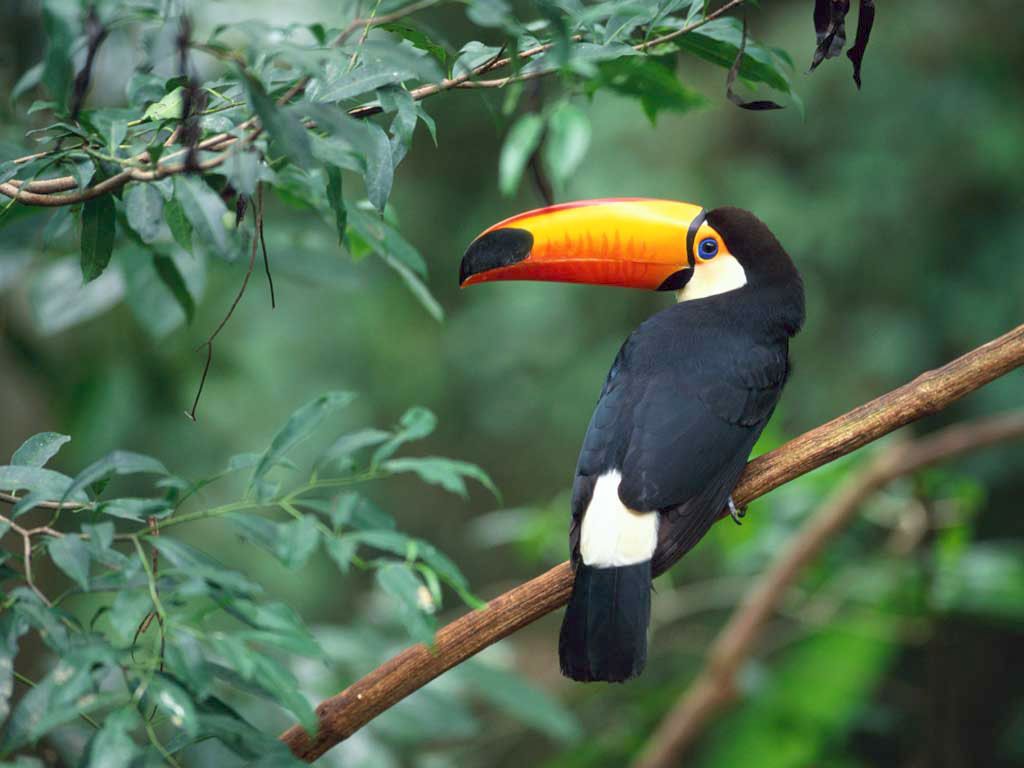
Costa Rica's beautiful but unforgiving wilderness demands proper preparation
Best wilderness emergency is the one that doesn't happen. Here's how to prevent disappearances:
Before the Hike
- File hiking plan with someone reliable—exact trail, expected return time
- Check weather forecast and trail conditions
- Bring proper gear—water, food, first aid, whistle, flashlight, fully charged phone even if no signal
- Wear bright colors for visibility
- Tell someone your exact plans and stick to them
- Bring map and compass/GPS if hiking complex trails
- Know your fitness level and choose appropriate trails
- Never hike alone in remote parks
During the Hike
- Stay on marked trails—always
- If lost, STOP. Don't wander. Make noise. Stay put.
- Follow trail markers obsessively
- Turn back if weather deteriorates
- Don't take shortcuts that aren't marked trails
- Use whistle if lost—three blasts is universal distress signal
- Conserve phone battery for emergency
Red Flags to Cancel Hike
- Heavy rain forecast
- Fog reducing visibility
- Feeling unwell or injured
- Starting too late in day to complete hike before dark
- Inadequate gear or preparation
- Park rangers advising against it
Final Thoughts: Paradise and Peril
Costa Rica's national parks are extraordinary. The biodiversity, the landscapes, the raw natural beauty—they're why people travel here. They're worth visiting, worth experiencing, worth remembering forever.
But they're not Disney World. They're not controlled environments where danger has been eliminated and rescue is immediate if something goes wrong. They're genuine wilderness, and wilderness is inherently dangerous.
David Gimelfarb's family will never know what happened to him. Cody Dial's father spent two years and enormous resources finding his son's remains. Dozens of others have been lost, injured, or killed in Costa Rica's parks over the years.
Not because the parks are evil or because Costa Rica is uniquely dangerous. Because wilderness is wilderness. It doesn't care about your travel insurance or your timeline or your assumption that "bad things won't happen to me."
If someone you love goes missing in a Costa Rica national park, you face a choice: activate every resource immediately and maximize their chances of survival, or wait and hope and drastically reduce the odds of finding them alive.
The jungle doesn't wait. Weather doesn't wait. Hypothermia doesn't wait. The window for successful rescue closes fast—measured in hours, not days.
Call 911. Call MINAE. Call professional search coordination. Activate everyone who can help. Do it immediately.
Because in Costa Rica's wilderness, the difference between rescue and tragedy is often just the difference between acting now and waiting until later.
Wilderness Emergency Search Coordination
Immediate deployment to Costa Rica national parks. Coordinate with official search teams. Local knowledge. Professional wilderness search capability. 24/7 emergency response.
