

What Are Costa Rica's Drone Laws and Regulations?
Registration, No-Fly Zones, and Legal Use Explained by Licensed Pilot
Manuel Antonio National Park – The ₡500,000 Fine
The American tourist didn't know Costa Rica required drone registration. He'd brought his DJI Mavic from the United States assuming the same rules applied everywhere—if you owned the drone, you could fly it. He'd watched YouTube videos of Manuel Antonio's coastline filmed from aerial perspectives and wanted similar footage for his travel VLOG.
He launched the drone from the beach just outside Manuel Antonio National Park boundaries. Beautiful morning, clear skies, perfect conditions for aerial video of the rainforest meeting the Pacific Ocean. He flew for maybe ten minutes, capturing stunning 4K footage of the coastline, the jungle canopy, howler monkeys in the trees visible from above.
Then park rangers arrived. Followed by DGAC officials who'd been notified of unauthorized drone operation near protected national park airspace. The tourist's Spanish wasn't good enough to understand everything they said, but he understood the numbers clearly enough: ₡500,000 colones fine. Roughly $1,000 USD. Plus confiscation of the drone until he provided proof of registration that didn't exist because he'd never registered it.
I'd seen this scenario dozens of times over the past several years as drone technology became cheaper and more accessible to tourists. They arrived in Costa Rica with expensive camera drones, launched them from beaches or volcanoes or rainforest lodges, and discovered too late that **Costa Rica drone laws** required registration with DGAC (Dirección General de Aviación Civil), prohibited flights near national parks, and treated unregistered drone operation as serious aviation violation subject to substantial fines.
As a licensed pilot with certifications for multiple aircraft and jets, plus specific drone pilot licensing, I understood aviation regulations from professional perspective. Costa Rica's DGAC took drone regulation seriously because drones operated in same airspace as manned aircraft. An unregistered tourist drone flying near Juan Santamaría International Airport could interfere with commercial aviation. A drone operated over crowded beaches without proper insurance created liability risks if equipment failures caused injuries. A surveillance drone hovering over private property without authorization violated privacy laws just as surely as illegal GPS tracking or unauthorized photography.
The tourist at Manuel Antonio eventually paid his fine, completed retroactive registration process that took weeks, and retrieved his confiscated drone. But he'd lost ten days of his two-week vacation dealing with bureaucracy and legal compliance he should have addressed before arriving in Costa Rica. His VLOG footage remained on the drone's memory card, but using it commercially would technically require commercial drone operator licensing he didn't have—another violation that could have triggered additional penalties if DGAC pursued it.
This case exemplified the gap between what tourists assumed about **Costa Rica drone laws** and the actual regulatory requirements enforced by aviation authorities. Understanding DGAC registration, no-fly zones, commercial versus recreational distinctions, privacy law restrictions, and penalty structures helps both tourists bringing drones and investigators using drones for legitimate purposes operate legally and avoid expensive complications.
Costa Rica regulates unmanned aerial vehicles (UAVs/drones) through the Dirección General de Aviación Civil (DGAC), the same aviation authority that oversees manned aircraft operations. All drones operating in Costa Rica must be registered regardless of weight, size, or intended use. Recreational users, commercial operators, and professional investigators using drones for surveillance or documentation all operate under DGAC jurisdiction with specific requirements based on operation type and purpose. As a licensed pilot with drone certifications, I navigate these regulations professionally while helping clients understand when drone technology can legally support investigation objectives.
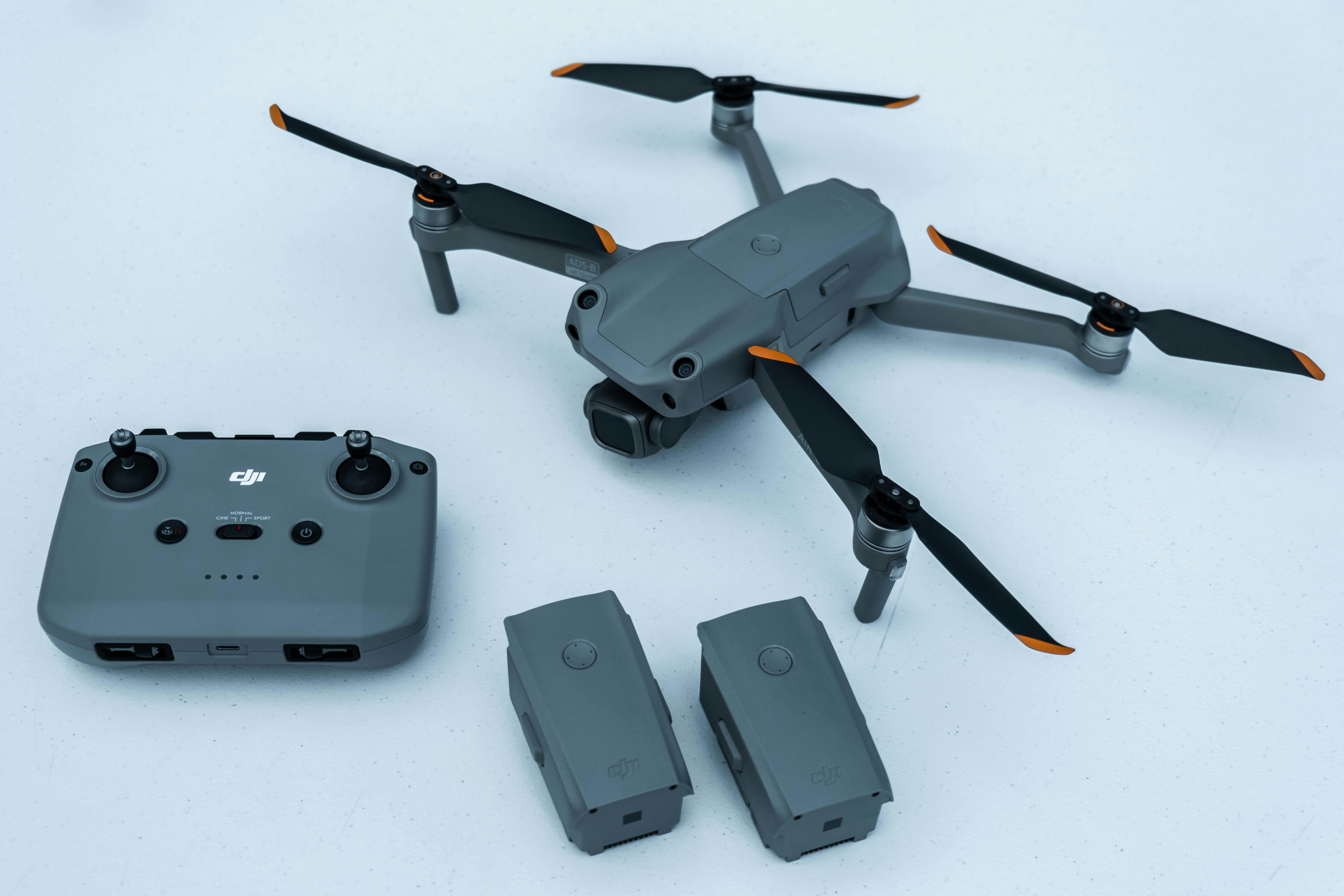
DGAC Registration Requirements
Every drone operated in Costa Rica must be registered with DGAC regardless of whether it's owned by Costa Rican resident, foreign tourist, or commercial operator. Registration requirements apply to all unmanned aerial vehicles from small consumer camera drones to professional-grade commercial equipment.
Mandatory Registration for All Drones
Unlike some countries that exempt small drones below certain weight thresholds from registration, Costa Rica requires registration of ALL drones. The popular DJI Mini series drones weighing under 250 grams that are exempt from registration in United States and European countries still require DGAC registration in Costa Rica. Your $500 consumer drone bought on Amazon needs same registration as professional $20,000 commercial drone.
Registration applies whether you plan to fly once during Costa Rica vacation or operate commercial drone business. Tourists visiting for two weeks face same registration requirements as permanent residents. The regulation makes no exception for brief recreational use—if you bring a drone into Costa Rica and intend to fly it, you must register it with DGAC before operation.
Registration Process and Documentation
DGAC registration requires submitting drone specifications including make, model, serial number, weight, and maximum flight capabilities. Foreign visitors must provide passport information and Costa Rica entry documentation. Costa Rican residents provide cédula information. Commercial operators provide business registration and insurance documentation.
The registration process can be completed online through DGAC's Sistema de Registro de Aeronaves No Tripuladas (SIRANT) platform. Processing typically takes 3-7 business days once all documentation is submitted correctly. Registration fees are minimal—approximately ₡5,000 to ₡15,000 colones ($10-$30 USD) depending on drone weight classification. But the administrative time investment can be significant if you don't have documentation organized properly before starting the process.
Tourists planning Costa Rica vacations should complete registration BEFORE arriving if possible. Starting registration process after you've arrived wastes vacation time dealing with bureaucracy. Some tourists discover mid-trip that registration takes longer than their remaining vacation days, forcing them to either operate illegally (risking fines and confiscation) or abandon plans to use their drone entirely.
Weight Classifications and Category Requirements
DGAC classifies drones by weight into categories with different operational restrictions. Sub-2kg drones (most consumer camera drones) have fewer restrictions than heavier commercial equipment. Drones between 2-25kg require additional documentation and operational limitations. Equipment over 25kg faces strict commercial operator requirements including extensive safety protocols and insurance minimums.
Weight classification affects where you can fly, what altitudes are permitted, proximity restrictions to people and structures, and whether you need additional certifications beyond basic registration. Consumer drones under 2kg can operate with just registration in most unrestricted areas. Heavier commercial drones require operator licensing, flight plans filed with DGAC, and compliance with stricter operational protocols.
Recreational vs. Commercial Operator Distinctions
DGAC distinguishes between recreational and commercial drone operations. Recreational use means personal enjoyment with no profit motive—vacation photos, hobby flying, personal documentation. Commercial use means any operation where drone data will be monetized—real estate photography, VLOG content generation, professional mapping, investigative surveillance.
The distinction matters because commercial operators require specific licensing beyond basic drone registration. Commercial drone pilot licenses require written examinations covering aviation regulations, airspace classifications, weather interpretation, and emergency procedures. Commercial operators must carry liability insurance with minimum coverage amounts. And commercial flights must comply with stricter operational restrictions than recreational flying.
Many tourists create compliance problems by registering as recreational users then posting drone footage to monetized YouTube channels or Instagram accounts with paid sponsorships. That monetization converts recreational operation into commercial use requiring commercial licensing. DGAC monitors social media and can pursue violations when recreational registrations are used for commercial purposes.
DGAC Drone Registration Requirements Summary
Who Must Register: Everyone operating drones in Costa Rica—tourists, residents, recreational users, commercial operators, professional investigators. No exemptions based on drone weight, trip duration, or operation frequency.
Registration Process: Online through DGAC SIRANT platform. Submit drone specifications (make, model, serial number, weight), owner identification (passport for foreigners, cédula for residents), intended use classification (recreational vs. commercial). Processing time: 3-7 business days. Fees: ₡5,000-₡15,000 ($10-$30 USD).
Weight Classifications: Sub-2kg (most consumer drones) = basic registration only. 2-25kg = additional operational restrictions. Over 25kg = strict commercial requirements including operator licensing and insurance.
Recreational vs. Commercial: Recreational = personal use, no monetization, basic registration sufficient. Commercial = any profit-generating use including YouTube monetization, requires commercial pilot license, liability insurance, stricter operational compliance.
When to Register: BEFORE flying in Costa Rica. Tourists should complete registration before arrival. Starting process in-country wastes vacation time. Operating unregistered drone risks ₡500,000+ fines and equipment confiscation.
Registration Duration: Annual renewal required. Registration expires after one year and must be renewed to maintain legal operation status.

No-Fly Zones and Restricted Airspace
**Costa Rica drone laws** establish extensive no-fly zones where drone operation is prohibited regardless of registration status or operator licensing. These restrictions exist for aviation safety, national security, environmental protection, and privacy preservation.
Airport and Aviation Zones
Drones cannot operate within 5 kilometers of any airport, heliport, or active aviation facility without explicit DGAC authorization. This restriction applies to major international airports like Juan Santamaría (San José) and Daniel Oduber (Liberia) as well as small regional airstrips throughout the country. The 5km buffer zone is measured from airport property boundaries, creating large prohibited areas around aviation facilities.
San José's metropolitan area falls largely within Juan Santamaría's 5km restriction zone, making recreational drone operation illegal in most of the capital city without specific DGAC authorization granted only for commercial operations with approved flight plans. Tourists staying in San José, Escazú, Santa Ana, or other central valley communities cannot legally fly drones from hotels or nearby areas without authorization.
Authorization requires filing flight plans with DGAC including specific coordinates, altitudes, flight duration, and safety protocols. The authorization process takes days or weeks and is granted primarily for commercial operations with legitimate aviation purposes—surveying, infrastructure inspection, professional photography. Recreational tourists aren't getting authorization to fly from their San José hotel balcony.
National Parks and Protected Areas
All national parks, biological reserves, wildlife refuges, and protected environmental areas prohibit drone operation within their boundaries and often within buffer zones extending beyond official park borders. SINAC (Sistema Nacional de Áreas de Conservación) enforces these restrictions to protect wildlife from disturbance, prevent accidents involving tourists and rangers, and preserve natural environments from technological intrusion.
Popular tourist destinations like Manuel Antonio, Arenal Volcano, Monteverde Cloud Forest, Corcovado, Tortuguero, and Poás Volcano all prohibit drone flights. The restrictions apply even if you're flying from outside park boundaries if your drone path crosses into protected airspace. Park rangers actively monitor for drones and coordinate with DGAC to enforce violations.
Some private nature reserves and eco-lodges allow drone operation with advance permission from property owners, but this is exception rather than rule. Assume all protected natural areas prohibit drones unless you've confirmed explicit written permission from managing authorities.
Government Buildings and Law Enforcement Facilities
Drones cannot fly over government buildings, presidential residences, law enforcement facilities, police headquarters, coast guard stations, or critical infrastructure. These security restrictions exist to prevent surveillance of sensitive government operations, protect against terrorism or espionage, and maintain operational security for law enforcement activities.
The restricted areas include Casa Presidencial (President's residence), Asamblea Legislativa (Legislative Assembly), Organismo de Investigación Judicial (OIJ) facilities, Fuerza Pública stations, coast guard installations, and police headquarters throughout the country. But restrictions also apply to less obvious facilities like electrical power stations, water treatment plants, telecommunications infrastructure, and other critical systems where aerial surveillance could compromise security.
Unlike national park restrictions where violations result in environmental protection fines, government facility violations can trigger national security investigations. Foreign nationals flying drones over law enforcement or government facilities risk serious legal consequences including potential espionage allegations even when intentions were innocent photography.
Private Property and Privacy Restrictions
Costa Rica's privacy laws under Law 8968 prohibit drone surveillance of private property without owner consent. You cannot fly drones over someone else's home, business, or land to photograph or video their property and activities. The constitutional privacy protections that prohibit GPS tracking and unauthorized surveillance extend to drone operations.
This creates complications for real estate photography, property boundary verification, and investigative surveillance. Commercial real estate photographers must obtain written property owner consent before aerial photography. Investigators cannot use drones to surveil subjects on private property without legal authorization. Even flying over your own property becomes problematic if your drone camera captures neighboring private property in the footage.
The restrictions apply regardless of altitude. Flying at 100 meters altitude over someone's backyard doesn't eliminate privacy violation if your camera can photograph their property. The violation occurs when you collect visual data about private property without consent, not when you physically enter their airspace.
Urban Area Restrictions and Population Centers
Many municipalities restrict or prohibit drone operations within city limits or over densely populated areas. These local regulations supplement national DGAC requirements with additional restrictions addressing safety concerns about drones falling on pedestrians, crashing into buildings, or creating hazards in urban environments.
San José, Heredia, Cartago, and other major cities have prohibited or heavily restricted recreational drone use in urban centers. Commercial operators can obtain permissions for specific projects—construction site monitoring, infrastructure inspection, professional photography—but recreational flying is generally prohibited where large populations create safety risks.
Beach areas present particular complications. Many popular beaches allow drone operation because they're public spaces outside restricted zones. But beaches within or adjacent to national parks (Manuel Antonio, Cahuita), near airports (Jacó due to proximity to San José), or in municipalities with local restrictions may prohibit drones despite being public beaches. You must research specific location regulations rather than assuming all beaches permit drones.
CRITICAL: Costa Rica Drone No-Fly Zones
NEVER FLY DRONES in these areas without explicit DGAC authorization:
• Within 5km of airports: Juan Santamaría (San José), Daniel Oduber (Liberia), Tobías Bolaños (Pavas), all regional airstrips and heliports. This prohibits most San José metropolitan area flying.
• National parks and protected areas: Manuel Antonio, Arenal, Monteverde, Corcovado, Tortuguero, Poás, Irazú, all SINAC-managed biological reserves and wildlife refuges. Restrictions often extend beyond official park boundaries.
• Government and law enforcement facilities: Casa Presidencial, Asamblea Legislativa, OIJ headquarters, Fuerza Pública stations, coast guard installations, police facilities, courthouses, critical infrastructure (power plants, water facilities, telecommunications sites).
• Private property without consent: Any residential, commercial, or private land without explicit written owner permission. Privacy laws prohibit aerial surveillance of private property.
• Urban population centers: Many municipalities prohibit recreational drones in city centers. Check local ordinances for San José, Heredia, Cartago, Alajuela before flying in urban areas.
• Over crowds or people: Cannot fly directly over groups of people, public events, sporting events, concerts, or gatherings regardless of location or property ownership.
VIOLATION CONSEQUENCES: ₡500,000+ colones fines, drone confiscation, criminal charges for government facility violations, evidence exclusion in legal proceedings if drone was used for unauthorized surveillance.
Drone Use for Investigation and Surveillance
As a licensed drone pilot with professional investigation credentials, I use drone technology for legitimate investigative purposes where it provides capabilities unavailable through ground-based methods. But investigative drone use faces same regulatory requirements and additional privacy law restrictions that limit when and how drones can document evidence.
Legal Investigation Applications
Drones excel at documenting physical property conditions, geographic features, and observable activities in large areas that would be difficult or impossible to photograph from ground level. Real estate fraud investigations benefit from aerial verification of property improvements, boundary disputes, and claimed conditions. Insurance fraud cases use aerial documentation of property damage, vehicle locations, or business operations that contradict claims.
Missing persons searches in remote areas, river systems, or dense forest benefit from aerial coverage that surveys large areas more efficiently than ground searches. Environmental investigations document illegal logging, pollution sources, or unauthorized development visible from aerial perspectives. These applications use drones as documentation tools in contexts where aerial photography provides evidence unavailable through traditional ground-based investigation.
For investigation purposes, I maintain commercial drone licensing and carry required liability insurance. All drone investigation flights comply with DGAC requirements including flight plans when required, altitude restrictions, and operational protocols. The drone becomes extension of legitimate investigative photography—documenting observable conditions from lawful vantage points including aerial positions.
Privacy Law Restrictions on Surveillance
The same Law 8968 privacy protections that prohibit GPS tracking and unauthorized surveillance apply to drone operations. I cannot use drones to surveil subjects on private property without authorization. Cannot hover drones outside windows photographing interior activities. Cannot follow subjects' vehicles from aerial positions creating continuous tracking similar to GPS surveillance.
These restrictions limit investigative drone applications significantly. Infidelity investigations rarely benefit from drones because subjects conduct affairs inside private residences or businesses where drone surveillance would violate privacy laws. Custody investigations can't use drones to observe parenting behaviors inside homes. Employment investigations can't drone-surveil employees at work without business owner authorization.
Legitimate drone investigation focuses on observable conditions in contexts where aerial documentation provides unique perspective on physical evidence. Property boundaries, structural conditions, environmental features, geographic relationships—contexts where drone photographs document physical reality visible to anyone with aerial access rather than surveilling private activities protected by privacy rights.
When Drone Evidence Is Admissible
Drone evidence follows same admissibility standards as any investigation evidence. If obtained legally through proper registration, compliance with DGAC regulations, and respect for privacy laws, drone photographs and video are admissible in court proceedings. If obtained illegally through unregistered drone operation, no-fly zone violations, or privacy violations, evidence gets excluded just like illegally-obtained GPS tracking data.
Courts evaluate whether drone operator had legal right to be in airspace where photographs were taken, whether operation complied with aviation regulations, and whether subjects being photographed had reasonable privacy expectation in documented activities. Drone photographs of public streets, visible property exteriors, and observable conditions in unrestricted airspace are generally admissible. Drone photographs obtained by hovering outside private windows, flying over private property without consent, or operating in restricted areas get excluded.
For investigation clients, this means drone technology provides useful documentation tools in specific contexts but doesn't replace traditional ground-based surveillance. Aerial photographs supplement investigation evidence when they document physical conditions relevant to case issues—property disputes, damage documentation, geographic relationships. But drones don't provide surveillance capabilities that override privacy protections or eliminate need for legal compliance with aviation regulations.

Social Media and Content Creator Regulations
YouTube VLOGers, Instagram influencers, TikTok content creators, and professional photographers using drone footage in Costa Rica often don't realize their content creation constitutes commercial operation requiring commercial licensing and compliance beyond basic recreational registration.
When Content Creation Becomes Commercial Operation
If your drone footage appears in monetized content—YouTube videos with ad revenue, Instagram sponsored posts, professional photography sold to clients—DGAC considers it commercial operation regardless of how you registered. The monetization converts recreational use into commercial use requiring commercial pilot licensing, liability insurance, and operational protocols beyond basic registration.
This catches content creators who register as recreational users then monetize footage after returning home. DGAC monitors social media, identifies Costa Rica drone footage in commercial contexts, and can pursue violations retroactively when recreational registrations are used for commercial purposes. The enforcement is inconsistent—they can't monitor every YouTube channel—but violations can be prosecuted when they come to DGAC attention.
Professional content creators visiting Costa Rica to produce commercial content should obtain commercial drone pilot licensing before arrival, carry required liability insurance, and file flight plans for commercial operations when required by DGAC regulations. The additional compliance costs money and time but avoids violations that could result in fines, legal complications, or content takedown requirements.
Influencer and Brand Partnerships
Travel influencers partnering with hotels, tour companies, or tourism boards to create promotional content using drones are conducting commercial operations. Even if the influencer isn't paid directly and compensation comes through free accommodations or experiences, the commercial nature of promotional content requires commercial licensing.
Hotels and tourism businesses hiring photographers or content creators for drone footage should verify the operator has commercial licensing and required insurance. The business shares liability if unlicensed operators create commercial content on their property or in violation of regulations. Smart businesses require proof of licensing and insurance before authorizing drone operations for commercial purposes.
Personal Content vs. Commercial Publication
The line between personal documentation and commercial publication can be unclear. Taking drone photos of your vacation for personal photo albums is recreational use. Posting those same photos to Facebook for friends and family to see remains recreational even though it's published online. But posting to Instagram account with 50,000 followers where you receive compensation from brands for posts starts crossing into commercial territory.
YouTube presents particular complications. Uploading Costa Rica drone footage to YouTube channel that isn't monetized arguably remains recreational even though it's public. But if that channel later gets monetized and older Costa Rica footage now appears in monetized context, it retroactively becomes commercial use. DGAC hasn't established clear enforcement policies for these gray areas, creating uncertainty for content creators trying to maintain compliance.
Penalties and Enforcement
**Costa Rica drone laws** carry substantial penalties for violations. Understanding enforcement mechanisms and penalty structures helps drone operators appreciate the importance of compliance and the real consequences of illegal operation.
Fines for Unregistered Operation
Operating unregistered drones results in fines starting at ₡500,000 colones (approximately $1,000 USD) for first offenses. Repeat violations or aggravated circumstances—operating in restricted zones, commercial use without licensing, operations creating safety hazards—can result in fines up to ₡5,000,000 colones ($10,000 USD) or more.
These aren't theoretical penalties. DGAC actively enforces drone regulations through partnerships with SINAC rangers in national parks, local police in municipalities, and airport security personnel near aviation facilities. They issue fines regularly to tourists and residents who operate unregistered drones or violate operational restrictions.
Equipment Confiscation
DGAC has authority to confiscate drones operated in violation of regulations. Confiscated equipment is held until violations are resolved through registration completion, fine payment, and compliance verification. For tourists with limited time in Costa Rica, confiscation effectively means losing the drone entirely since retrieval process takes longer than typical vacation duration.
In cases involving serious violations—repeated offenses, operations creating significant safety hazards, commercial operations without licensing—confiscated equipment might not be returned even after fines are paid. DGAC can permanently confiscate equipment used in aggravated violations as additional penalty beyond financial fines.
Criminal Charges for Serious Violations
Flying drones over government facilities, law enforcement installations, coast guard stations, or critical infrastructure can result in criminal charges beyond administrative fines. National security violations and potential espionage concerns trigger criminal investigations with possible prosecution for crimes beyond simple aviation regulation violations.
Privacy violations using drones—surveilling private property without consent, voyeuristic photography—can result in criminal prosecution under privacy laws separate from aviation regulation violations. The same Criminal Code Article 196 that criminalizes GPS tracking and unauthorized surveillance applies to drone operations that invade privacy.
Evidence Exclusion in Legal Proceedings
Drone evidence obtained illegally through unregistered operation, no-fly zone violations, or privacy violations gets excluded from legal proceedings just like other illegally-obtained evidence. If I used unregistered drone to photograph property in insurance fraud investigation, that evidence would be inadmissible regardless of how clearly it proved the fraud. If I violated privacy laws by drone-surveilling subject on private property, the evidence gets excluded from divorce proceedings even if it documented infidelity.
This evidence exclusion rule means professional investigators must maintain strict compliance with drone regulations. The documented evidence is worthless if obtained through violations that make it inadmissible. Legal compliance isn't just about avoiding fines—it's about ensuring investigation evidence maintains legal validity for court proceedings.
Licensed Pilot Credentials: Aviation and Drone Operations
As licensed pilot with certifications for multiple aircraft and jets, plus specific drone pilot licensing, I bring professional aviation perspective to understanding Costa Rica's DGAC regulations and drone operation requirements.
My drone operations comply with all DGAC regulations including commercial licensing, liability insurance, flight plan filing when required, and strict adherence to no-fly zones and privacy protections. Professional investigation drone use provides unique aerial documentation capabilities while maintaining full legal compliance with Costa Rica aviation and privacy laws.
Frequently Asked Questions
Do I need to register my drone if I'm only visiting Costa Rica for vacation?
Yes. ALL drones operating in Costa Rica require DGAC registration regardless of whether you're tourist visiting for two weeks or permanent resident. There's no exemption for brief recreational use, small drones under certain weight, or foreign-owned equipment. If you plan to fly a drone in Costa Rica, you must register it with DGAC before operation. Operating unregistered drone risks ₡500,000+ colones fines and equipment confiscation. The registration process takes 3-7 business days, so tourists should complete registration BEFORE arriving in Costa Rica to avoid wasting vacation time on bureaucracy. Registration can be done online through DGAC's SIRANT platform using passport information for foreign visitors. Fees are minimal (₡5,000-₡15,000 / $10-$30 USD) but failing to register creates expensive legal complications.
Can I fly my drone at Costa Rica beaches?
Some beaches allow drone operation, others prohibit it. You must research specific beach regulations before flying. Beaches within or adjacent to national parks (Manuel Antonio, Cahuita, Tortuguero) prohibit drones. Beaches near airports within 5km restriction zones (Jacó near San José, some Guanacaste beaches near Liberia airport) prohibit drones. Beaches in municipalities with local drone restrictions may prohibit operation even though they're public spaces. Popular beaches that generally allow drones include Tamarindo (verify current local regulations), some Caribbean coast beaches outside park boundaries, and Pacific coast beaches far from airports and parks. But regulations change and local enforcement varies. Before flying at ANY beach, verify: (1) Not within national park or protected area, (2) Not within 5km of airport, (3) No local municipal restrictions, (4) Your drone is properly registered with DGAC. Assume prohibited unless you've confirmed permission.
What happens if I post my Costa Rica drone footage to monetized YouTube?
If you registered as recreational user but post footage to monetized YouTube channel, you've violated commercial use requirements. Monetization converts recreational operation into commercial use requiring commercial drone pilot license, liability insurance, and compliance with commercial operational protocols. DGAC monitors social media and can pursue violations when recreational registrations are used for commercial purposes. Enforcement is inconsistent—they can't monitor every YouTube channel—but violations can be prosecuted if they come to DGAC attention through complaints or active monitoring. Penalties include fines, potential requirement to remove content, and loss of future registration privileges. If you plan to monetize drone content—YouTube ad revenue, Instagram sponsored posts, professional photography sales—obtain commercial licensing BEFORE creating content in Costa Rica. Don't assume you can register recreationally then monetize later without consequences.
Can private investigators use drones for surveillance in Costa Rica?
Yes, but with significant restrictions. Investigators can use drones for legitimate investigation purposes that comply with DGAC regulations and privacy laws. Legal applications include: aerial documentation of property conditions, geographic features, real estate verification, observable activities in public spaces, missing persons searches in remote areas. Investigators CANNOT use drones to surveil subjects on private property without authorization, hover outside windows photographing interior activities, follow vehicles creating continuous aerial tracking, or violate privacy rights through aerial surveillance. Professional investigators must maintain commercial drone licensing, carry required liability insurance, file flight plans when required, and comply with all DGAC operational protocols. Drone evidence obtained through violations of registration, no-fly zones, or privacy laws is inadmissible in court proceedings. Drones provide useful documentation capabilities for specific investigation contexts but don't replace traditional ground surveillance or override privacy protections.
What are the penalties for flying in restricted areas like national parks?
National park drone violations result in fines starting at ₡500,000 colones ($1,000 USD) and can reach ₡5,000,000+ colones ($10,000+ USD) for aggravated circumstances. DGAC and SINAC enforce these restrictions actively through park rangers who monitor for drones and coordinate with aviation authorities. Violations result in: (1) Immediate fines issued on-site, (2) Drone confiscation until violations are resolved, (3) Potential criminal prosecution for serious or repeated violations, (4) Permanent ban from future drone operation in protected areas. Park rangers have authority to detain violators and equipment. Tourist visitors face particular complications because confiscated equipment must be retrieved through administrative process taking weeks—longer than typical vacation duration. Some confiscated drones are never returned if violations are severe or owners leave Costa Rica before resolution. The restrictions exist to protect wildlife from disturbance, prevent accidents, and preserve natural environments. Enforcement is real and penalties are substantial.
Do I need insurance to fly a drone recreationally in Costa Rica?
Liability insurance is required for commercial drone operations but not technically required for recreational use. However, insurance is STRONGLY recommended even for recreational flying because you're financially liable for any damages or injuries your drone causes. If your drone malfunctions and falls on someone, crashes into vehicle, or damages property, you're personally liable for medical bills, property damage, and injury compensation. These costs can be substantial—far exceeding value of the drone itself. Commercial operators must carry minimum liability coverage as DGAC requirement for licensing. Recreational users should obtain drone insurance covering liability, equipment damage, and third-party injuries. Some travel insurance policies include drone coverage but verify specific terms before relying on them. Costa Rican legal system holds drone operators strictly liable for damages regardless of whether malfunction was operator fault or equipment failure. Insurance protects you from financial catastrophe if something goes wrong during recreational flying.
Can I fly my drone in San José or other major cities?
Most of San José metropolitan area falls within Juan Santamaría International Airport's 5km restriction zone prohibiting drone operation without DGAC authorization. Escazú, Santa Ana, Heredia, and other central valley communities also fall within restricted zones around multiple airports (Juan Santamaría, Tobías Bolaños in Pavas). Additionally, many municipalities have local ordinances prohibiting or restricting recreational drone use in urban population centers for safety reasons. Commercial operators can obtain DGAC authorization for specific projects through flight plan filing and safety protocol approval, but recreational tourists won't get authorization to fly from hotels or tourist areas in San José. If staying in central valley, assume you CANNOT legally fly drones without specific authorization that takes days or weeks to obtain and is granted only for legitimate commercial purposes. Plan drone activities for beaches, rural areas, and locations outside airport restriction zones and municipal prohibitions. Verify specific location compliance before attempting urban drone operation.
Professional Drone Investigation Services
Licensed pilot with commercial drone certification providing legal aerial documentation for investigation, real estate verification, and property documentation that complies with all Costa Rica DGAC regulations and privacy laws.
