

Cost of Hiring a Private Investigator in Costa Rica
Understanding Pricing, Geographic Factors, and Why Professional Investigation is Worth the Investment
Why Investigation Costs Vary in Costa Rica
If you're looking for a simple price list, you won't find one on this page — and you should be suspicious of any investigator in Costa Rica who provides instant quotes without understanding your specific situation. Understanding the Costa Rica private investigator cost requires knowledge of unique factors that don't exist in United States investigations.
Why? Because Costa Rica presents unique investigative challenges that don't exist in the United States. The cost of professional investigation here depends on factors that American clients often don't anticipate: geographic distances without reliable infrastructure, lack of centralized records systems, possessory corporate ownership laws, handwritten legal documents in Spanish, and investigative work that sometimes requires overnight stays in remote locations.
This page explains what professional investigation actually costs in Costa Rica, why it costs what it does, and why attempting to save money by hiring cheap or unqualified investigators almost always costs you more in the long run.
Quick Navigation
Background Check Investigations
Starting at $400
Comprehensive background investigation with in-person registry searches
Why the Minimum Fee?
Most people assume background checks in Costa Rica work like the United States — plug a name into a database and get instant results. The reality is completely different, and understanding why explains the cost.
The "Free" Database Problem
Costa Rica does have a publicly accessible government database that anyone can access online, even from the United States, for free. The problem? The information is often stale, vague, and incomplete. Critical details are missing or outdated, making it inadequate for any serious decision-making.
The Real Work: In-Person National Registry Search
Getting current, complete information requires a physical visit to the Registro Nacional (National Registry) in downtown San José. This isn't a quick process:
- Initial visit to Registro Nacional — Request the records you need
- Leave and travel to Banco de Costa Rica — Pay the government fee in person (they don't accept payment at the Registry)
- Return to Registro Nacional — Present your receipt and wait for records
- Process is notoriously slow — Often takes hours, sometimes requiring multiple visits
And this is just ONE element of a proper background check. A comprehensive investigation also includes:
- Criminal records search through the OIJ (Judicial Investigation Agency)
- Property ownership verification
- Corporate entity searches (if applicable)
- Professional credential verification
- Cross-referencing multiple government databases
- Translation and interpretation of all Spanish-language documents
- Report preparation in English with supporting documentation
Why Fluent Spanish is Non-Negotiable
Every document, every filing, every database entry is in Spanish. Complete fluency in both conversational AND legal Spanish is absolutely required — not optional, not "good enough," and not something you can work around with a translator. Misunderstanding a single legal term can mean missing critical information that costs you far more than the investigation fee.

Before hiring any investigator in Costa Rica, review our guide on what to look for when hiring a private investigator to ensure you're working with qualified professionals.
↑ Back to TopReal Estate Due Diligence
Starting at $2,500
Comprehensive property investigation and title verification
Why Real Estate Investigation in Costa Rica is Uniquely Complex
Most U.S. buyers don't understand that Costa Rican real estate transactions work completely differently than in the United States. These differences create serious due diligence challenges that require professional investigation.
The Corporate Ownership Challenge
- Non-citizens cannot directly own property — they must purchase through a corporation
- Most attorneys recommend forming an S.A. (Sociedad Anónima) — similar to a Delaware corporation in the U.S.
- Owners are not publicly revealed — this is the entire point of the structure
- Additional benefit: The S.A. allows non-citizens to open Costa Rican bank accounts, otherwise unavailable
- The investigation problem: You're not buying from a person — you're buying from an anonymous corporation. Who really owns it? What debts does it carry? What's the history?
The "Bearer Bond" Problem — A Critical Risk
Costa Rican law is possessory when it comes to corporate ownership. This creates a shocking vulnerability:
- Whoever physically possesses the S.A. books controls the corporation
- The books function like bearer bonds — they can be transferred simply by handing them to someone else
- No formal registration required — ownership changes hands without any official record
- The risk: You could buy property thinking you're getting clear title, but someone else with physical possession of the corporate books could claim ownership
- No recourse: If the books have been transferred without proper documentation, proving ownership becomes nearly impossible
This is why professional due diligence is essential — not optional.
No Clerk's Office — No Easy Title Search
Unlike the United States, Costa Rica has no county clerk's office where you can search deed records. The ONLY person legally authorized to close a real estate transaction is a Costa Rican Notary.
The Notary System
- All Notaries must be licensed Costa Rican attorneys — but not all attorneys are Notaries
- Becoming a Notary requires an additional year of law school beyond the standard law degree
- There is NO governmental bar association to oversee or regulate general attorneys
- If you use a non-Notary attorney: You have zero legal recourse if something goes wrong
- Notaries are regulated by the Notary Board and can be held accountable and responsible
Why Due Diligence is Time-Consuming and Expensive
All real estate transactions are entered into the Notary's personal "Notary Book" (Protocolo), which they maintain in their private office.
- All entries are handwritten — in Spanish
- No centralized database — records are scattered across hundreds of individual Notary offices
- Discovery requires: Physical visits to Notary offices, reading handwritten Spanish legal documents, cross-referencing multiple sources
- Language barrier: Complete fluency in legal Spanish is essential
- Time-intensive: What takes 30 minutes in the U.S. can take days in Costa Rica
Why You Need Someone Who Knows the System
Proper real estate due diligence in Costa Rica requires someone who:
- Knows which resources to check and where to find them
- Can navigate the Notary system and government registries effectively
- Reads and writes fluent Spanish — not just conversational Spanish, but legal Spanish
- Understands Costa Rican property law and what to look for
- Has established relationships with Notaries and government offices
All property records in Costa Rica are maintained by the Registro Nacional, Costa Rica's National Registry, where physical visits are required to access complete documentation.
The Major Benefit: No Title Insurance Needed
Here's what most Americans don't realize: Costa Rica doesn't use title insurance. Instead, proper due diligence replaces it. Once a closing Notary signs off on due diligence, the title is considered clean. The 10-year rule: If the title search goes back 10 years and shows no liens or encumbrances, it's considered free and marketable title in fee. If a title discrepancy is later discovered that wasn't revealed in the 10-year search, it will not stand against you.
But this protection ONLY works if the due diligence is done correctly by someone who knows the system.
Infidelity and Surveillance Investigations
Greater San José: $75/hour
Remote locations: Flat daily rate (quote required)
Greater San José Area Surveillance
For surveillance cases conducted within the greater San José metropolitan area, our standard rate is $75 per hour. This covers:
- Active surveillance time
- Evidence documentation (photo/video)
- Report preparation
- Local travel within the metro area
However, most infidelity cases in Costa Rica don't happen in San José.
Remote Location Surveillance: Why Costs Increase Dramatically
When surveillance must be conducted outside the greater San José area, the pricing structure changes completely due to unique logistical challenges that don't exist in U.S. investigations.
The Tamarindo Example: Understanding Remote Location Costs
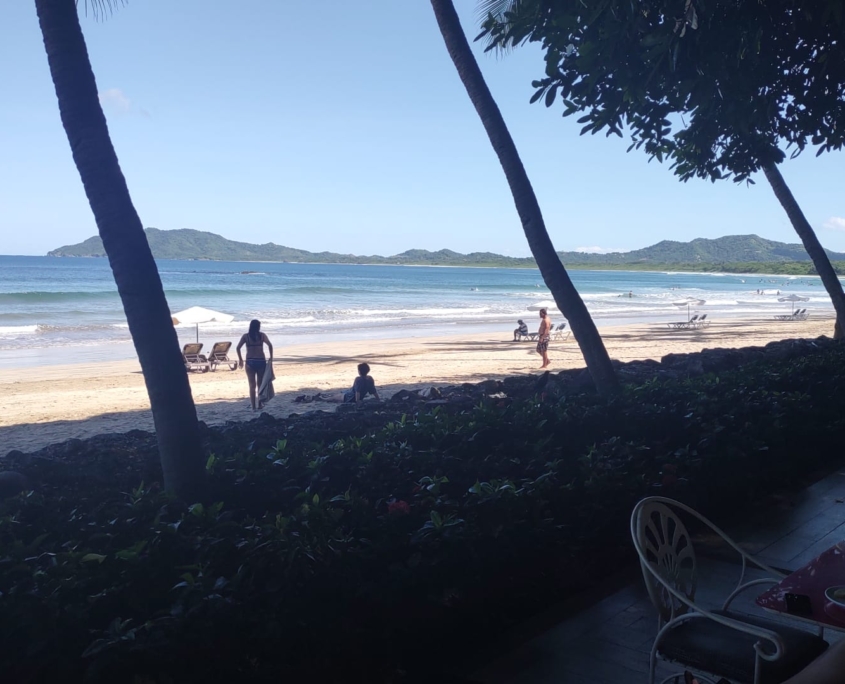
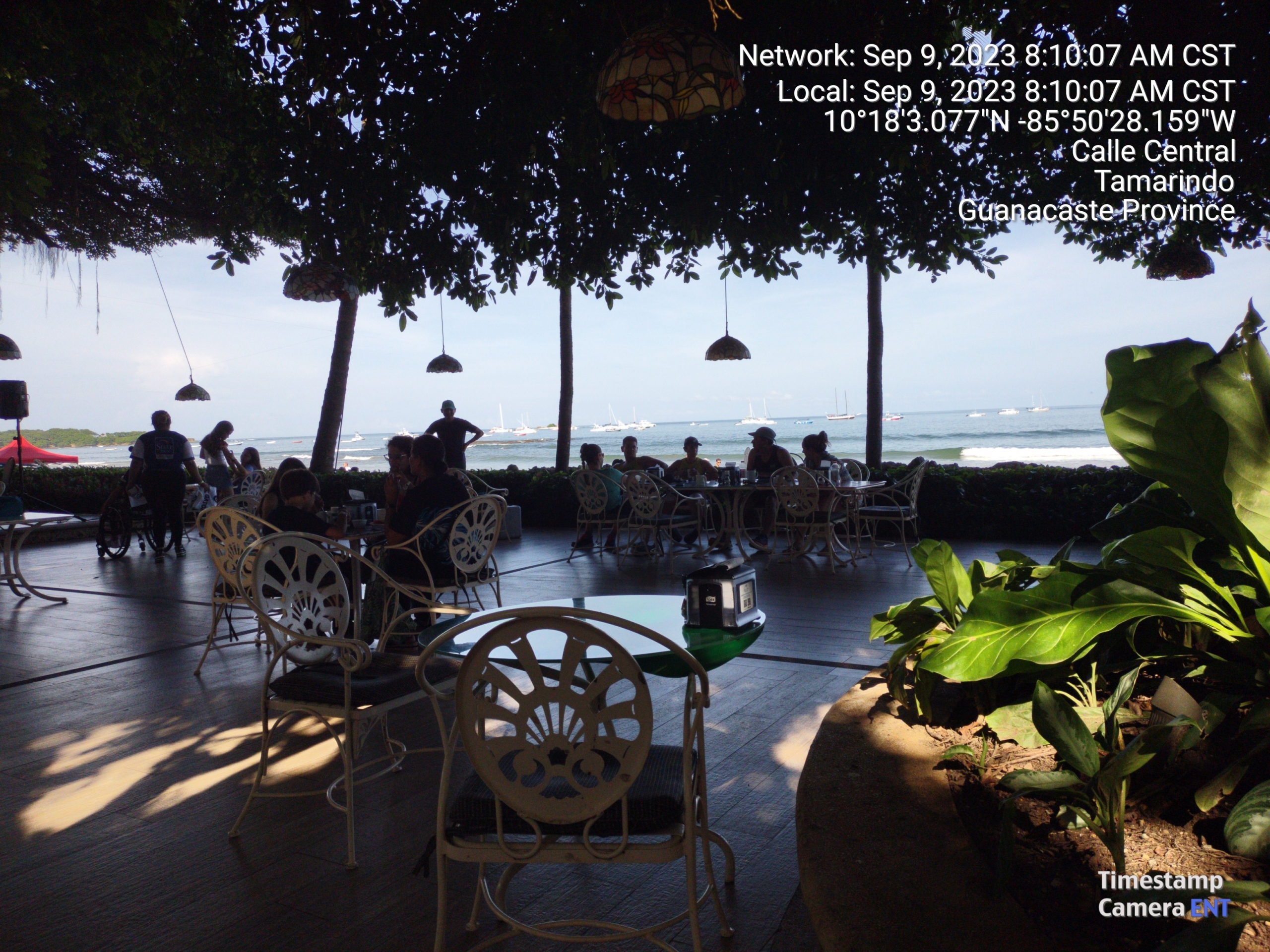
Let's use Tamarindo (Guanacaste, northwest Costa Rica) as an example of why remote surveillance requires different pricing:
Travel Time Reality:
- One-way travel: 4.5 to 6 hours — depending on traffic and road conditions
- Road infrastructure: Primarily two-lane roads shared with commercial traffic
- Unpredictable delays: Accidents, mudslides, or rockslides can add hours to the trip
- Round-trip impossibility: You cannot travel to Tamarindo, conduct surveillance, and return to San José in one day
What This Means for Your Case
Once I arrive in Tamarindo (or Golfito, Osa Peninsula, Bocas del Toro, or any remote location), I'm there exclusively for your case. I cannot work on other cases. I cannot return home each night. You have my complete, undivided attention for the duration.
Flat Daily Rate Structure for Remote Surveillance
For remote surveillance, I quote a flat daily professional fee that reflects:
- Exclusive assignment: You get 100% of my time and attention
- Travel time: Hours spent driving to and from the location
- Operating costs: Gasoline at nearly $6/gallon, toll road fees, vehicle wear and maintenance
- No cost splitting: Unlike San José cases where I might work multiple investigations, remote cases mean you're paying for my complete availability
Important: The Flat Daily Rate Covers ONLY My Professional Investigative Fee
Beyond the daily professional fee, you'll be responsible for actual expenses incurred: accommodations, meals, and incidentals related to surveillance. These costs vary significantly based on season and location.
Seasonal Pricing in Costa Rica
| Season | Months | Accommodation Costs |
|---|---|---|
| Low Season | April - November | Discounted hotel rates, more affordable |
| High Season | November - April | Significantly higher rates, premium pricing, limited availability |
Resort Surveillance — The Security Challenge
Many infidelity cases in Costa Rica occur at beach resorts. This creates a unique investigative challenge:
- Resort security is extremely tight — non-guests are not allowed on property
- The only effective surveillance method: Becoming a guest at the same resort
- This means: In addition to my professional fee, you're paying for my resort accommodations at guest rates (which can be $200-$500+ per night during high season)
- Why this is necessary: There is no other way to conduct effective surveillance inside a resort property
Geographic Cost Comparison
| Location | One-Way Travel Time | Overnight Required? | Typical Duration |
|---|---|---|---|
| Greater San José | N/A | No | Hourly rate applies |
| Tamarindo (Guanacaste) | 4.5-6 hours | Yes | Minimum 2-3 days |
| Golfito/Osa Peninsula | 6-8 hours | Yes | Minimum 3-4 days |
| Caribbean Coast | 4-5 hours | Yes | Minimum 2-3 days |
| Bocas del Toro (Panama) | 8-10 hours | Yes | Minimum 3-5 days |
Why Free Estimates Are Essential
Every surveillance case has unique factors:
- Location and travel requirements
- Duration needed to obtain evidence
- Season (affects accommodation costs)
- Resort vs. non-resort surveillance
- Subject's known schedule and patterns
I provide detailed cost estimates after understanding your specific situation during a free confidential consultation.
Learn more about when to hire a private investigator in Costa Rica to determine if your situation warrants professional investigation services.
↑ Back to TopComplex Fraud Investigations
Starting at $150/hour + Substantial Retainer
Custom quote required based on case specifics
Why Fraud Cases Cost More
Fraud investigations are among the most complex and time-intensive cases we handle. Unlike surveillance or background checks, fraud cases often span months, involve multiple jurisdictions, and require extensive documentation that can withstand legal scrutiny.
Factors That Determine Investigation Cost
1. Location of the Fraud
- San José area: More efficient, lower travel costs
- Remote areas: Requires travel time, accommodations, and extended on-site presence
- Multiple locations: If fraud involves properties or entities in several regions, costs increase accordingly
- International elements: Cases involving Panama, Nicaragua, or other countries require additional resources
2. Ownership Structure Complexity
- Individual perpetrator: Simpler to investigate
- Corporate fraud: Requires navigating S.A. structures where ownership is hidden
- Multiple corporate entities: Fraudsters often use layered corporate structures to hide assets and activity
- Bearer share complications: When corporate books have been transferred possessory-style, tracing actual ownership becomes extremely complex
3. Amount of Loss
- Larger losses require more extensive investigation
- Higher-value cases justify deeper resource investment
- Asset recovery potential affects investigation scope
- Multiple victims may require coordination with other parties
4. Post-Investigation Legal Commitment
Unlike many investigation types, fraud cases almost always proceed to legal action. Your investigator's post-investigation availability and capability are critical.
What's Included in Fraud Investigation Pricing
- Depositions: Preparation and testimony in deposition proceedings
- Court appearances: Availability for trial testimony in Costa Rican or U.S. courts
- Expert witness services: Professional testimony explaining investigation findings, methodology, and conclusions
- Document preparation: Creating exhibits, demonstrative evidence, and supporting materials for legal proceedings
- Attorney consultation: Working with your legal team throughout litigation
As a Certified Fraud Examiner (CFE), I bring specialized training in fraud detection, financial investigations, and forensic analysis to every case.
Critical: U.S. Court Testimony Capability
Most fraud cases involving U.S. clients ultimately proceed to litigation in U.S. courts. This means your investigator must have:
- U.S. passport or valid visa to appear in court
- Fluent English for credible testimony under cross-examination
- Experience testifying in U.S. courts (inexperienced investigators often damage cases)
If your investigator cannot testify in U.S. court, all their evidence may be inadmissible as hearsay.
Why Retainers Are Substantial
Fraud investigations require significant upfront work before results are visible:
- Corporate registry searches across multiple entities
- Notary book reviews (all handwritten, in Spanish, across multiple offices)
- Asset searches and property investigations
- Interview and statement collection
- Financial document analysis
- Coordination with Costa Rican authorities (OIJ, prosecutors)
- Background investigations on perpetrators and associated parties
The work is front-loaded, and results take time. A substantial retainer ensures we can conduct thorough investigation without interruption.
Custom Quotes Required
I do not provide fraud investigation quotes without first understanding the complete details of your case:
- What occurred?
- Who is involved?
- What evidence do you already have?
- Where did the fraud take place?
- What is your legal objective?
- What court jurisdiction will handle the case?
Free confidential consultation provides you with:
- Assessment of your case's investigative feasibility
- Estimated timeline for investigation
- Detailed cost breakdown including retainer amount
- Explanation of what evidence can realistically be obtained
- Honest evaluation of likelihood of successful resolution
Geographic Factors That Affect Investigation Costs
Why Location Matters So Much in Costa Rica
Costa Rica is a small country — roughly the size of West Virginia. But don't let that fool you. Geographic challenges here create cost factors that don't exist in U.S. investigations.
Infrastructure Realities

- Primarily two-lane roads: Most highways are single-lane each direction, shared with commercial trucks, buses, and local traffic
- Mountain terrain: Roads wind through mountains with steep grades, hairpin turns, and limited passing zones
- Weather impacts: Heavy rain causes mudslides and rockslides that can close roads for hours or days
- No alternative routes: Unlike U.S. interstate systems, there's often only ONE road to your destination
- Gasoline costs: Nearly $6 per gallon — significantly higher than U.S. prices
The "No Street Address" Problem
Costa Rica doesn't use street addresses the way the United States does. Instead, locations are described by landmarks and distances:
- "200 meters north of the old fig tree, then 50 meters west"
- "Behind the church in the town center, red house with blue gate"
- "Third left after the bridge, yellow building"
Why this matters: Finding locations requires local knowledge, asking multiple people for directions, and often physically driving around until you locate the correct property. GPS often doesn't work in rural areas. This time-consuming process adds hours to investigation work.
Fluid Population Movement
Costa Ricans move frequently — far more than Americans. People change residences, don't update government records, and may be impossible to locate without boots-on-the-ground investigation. The "free" online database mentioned in background checks? It's often worthless because the person moved six months ago and never updated their information.
Travel Time Impact on Costs
| Destination | From San José (One-Way) | Round-Trip Feasible? | Cost Impact |
|---|---|---|---|
| Jacó (Central Pacific) | 1.5-2 hours | Yes | Moderate |
| Tamarindo (Guanacaste) | 4.5-6 hours | No | Significant |
| Manuel Antonio | 3-3.5 hours | Borderline | Moderate-High |
| Limón/Caribbean | 4-5 hours | No | Significant |
| Golfito/Osa | 6-8 hours | No | Very High |
| Bocas del Toro (Panama) | 8-10 hours | No | Very High |
Why Professional Investigation is Worth the Investment
The Real Cost of Cheap Investigators
When you see an investigator offering services for 50-70% less than professional rates, there's a reason. Here's what you're actually getting:
What Cheap Investigators Don't Tell You
- No professional credentials: No law enforcement background, no CFE certification, no legal training
- Limited Spanish: Relying on translators or "good enough" Spanish that misses critical details
- No established relationships: Can't navigate government offices efficiently or access the right sources
- Cannot testify in U.S. court: No U.S. passport/visa, or no experience as an expert witness
- Cutting corners: Skipping essential steps to keep costs down
- Inexperience: Don't know what to look for or where to find it
What Inadequate Investigation Actually Costs You
Real-World Cost Comparison
Scenario: You're buying a $300,000 property in Costa Rica
Cheap investigator charges: $800 for "due diligence"
They miss: An undisclosed lien, possessory ownership claim, or maritime zone violation
Your loss: $300,000 property + legal fees attempting recovery = $350,000+
Professional investigator charges: $2,500 for comprehensive due diligence
They discover: The title problem before you close
You avoid: $300,000+ loss
Net savings: $297,500
What You're Paying For With Professional Investigation
- Formal credentials: Former Police Chief, Certified Fraud Examiner (CFE), Law Degree
- 27+ years Costa Rica experience: Permanent resident since 1997, not a tourist operation
- Fluent legal Spanish: Can read Notary books, legal documents, and government filings without translators
- Established government relationships: Know how to navigate Registro Nacional, OIJ, Notary offices efficiently
- U.S. court testimony capability: U.S. passport, fluent English, proven expert witness experience
- Attorney partnership: Formal relationship with licensed Costa Rican attorney and Notary
- Professional liability insurance: You're protected if something goes wrong
- Reports that hold up in court: Proper documentation, chain of custody, admissible evidence
Understanding how private investigators work in Costa Rica helps you appreciate the value of professional investigation services and why quality matters more than price.
The Bottom Line
Investigation isn't an expense — it's insurance against catastrophic loss. The difference between a $2,500 professional investigation and an $800 amateur job isn't $1,700. It's potentially hundreds of thousands of dollars in losses you avoid, legal problems you prevent, and evidence that actually works when you need it.
Professional investigation costs money. Bad investigation costs everything.
↑ Back to TopGet an Accurate Quote for Your Case
Every investigation is unique. Free confidential consultation provides detailed cost estimate based on your specific situation.
